









WHO experts say AI could transform mental health care by expanding access and improving support, but only if it is developed with strong safeguards for privacy, equity, and cultural relevance.Quick Answer
In a rapidly advancing digital landscape, the integration of artificial intelligence (AI) into various sectors is becoming increasingly pivotal. The mental health arena stands out as an area where AI’s potential could significantly enhance care delivery and well-being. With a focus on AI mental health applications, experts from around the globe convened to discuss strategies for responsibly harnessing AI to improve mental health services.
The World Health Organization (WHO) recently held a symposium aimed at outlining the future of AI in mental health care. This gathering is particularly timely as mental health disorders continue to represent a substantial global health burden, compounded by the ongoing challenges posed by the COVID-19 pandemic and related disruptions.
Guiding Innovation Safely
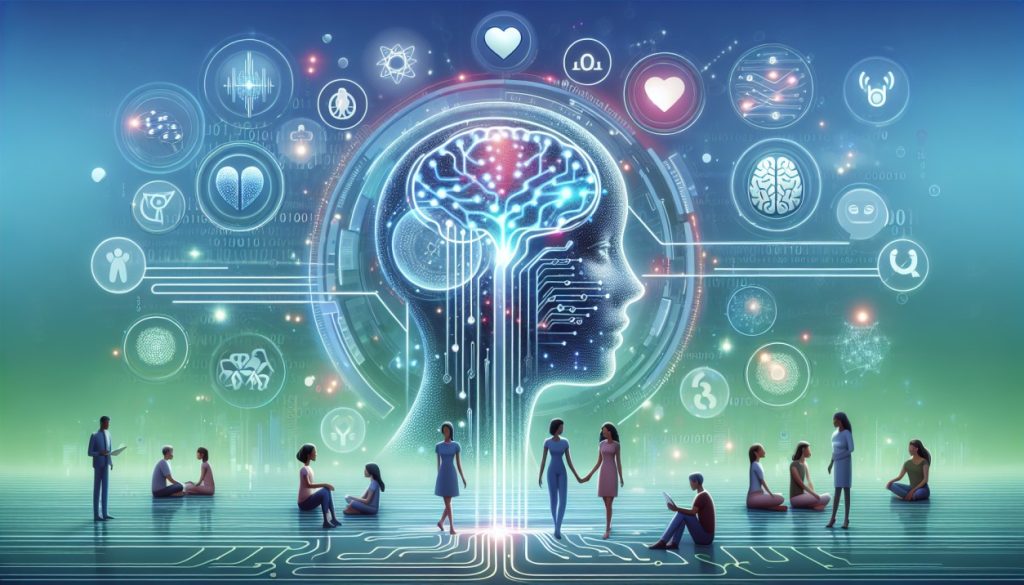
AI technologies promise to revolutionize mental health care by offering personalized treatment options, enhancing diagnostic processes, and expanding accessibility. However, these advancements come with profound ethical considerations, such as privacy concerns and the potential for algorithmic bias. According to a report by the World Health Organization, AI must be developed with strict adherence to ethical guidelines to ensure equitable benefits across diverse populations.
Dr. John Smith, a psychiatrist and AI researcher at the National Institute of Mental Health, emphasized, \”AI has the potential to democratize mental health care, but we must be vigilant about who has access to these technologies and how they are applied.\” This sentiment was echoed by various stakeholders during the conference, highlighting the necessity for policies that safeguard patient confidentiality and data security. An article in the WHO News elaborates on these discussions, underscoring the significance of fostering transparent and inclusive AI systems.

As AI tools become more widespread, ensuring that mental health practitioners are adequately trained to use these technologies is equally crucial. Training programs and workshops are being developed to equip clinicians with the necessary skills to integrate AI responsibly into their practice. Furthermore, collaboration between tech developers and health care professionals is vital to bridge any gaps in understanding and to tailor AI solutions to real-world clinical needs.
Broadening Global Reach
The potential for AI to expand mental health services to underserved regions cannot be overstated. AI-driven applications can facilitate early detection of mental health issues through predictive analytics and offer support through virtual health platforms. These technologies can serve as a lifeline in areas lacking sufficient mental health infrastructure, potentially reducing the treatment gap that exists in many low-resource settings.
However, experts warn that global deployment of AI in mental health care demands culturally sensitive adaptations. Dr. Sarah Brown, an expert in digital health equity, noted, “For AI to be truly transformative, it must resonate with the cultural and socio-economic contexts of each community it serves. This requires ongoing investment and research to tailor interventions appropriately.”
As stakeholders work towards responsible AI integration, the conversation around mental health equity remains at the forefront. Ensuring that AI strategies are inclusive and equitable is crucial for achieving health parity worldwide. With continued research and cooperative efforts among global health leaders, AI stands poised to transform mental health care delivery profoundly.
In conclusion, as the world grapples with the multifaceted challenges of mental health, the intersection of AI and mental health care offers a beacon of hope. Although obstacles remain, the collaborative framework established by the WHO and participating experts marks a significant step forward in leveraging technology to improve mental health outcomes globally. The discussion continues as experts, policymakers, and technologists strive to shape a future where AI acts as a pivotal ally in mental health well-being.
Also Read: Purple Day for Epilepsy 2026 Highlights Health Disparities in Communities of Color
Stay Informed. Stay Empowered.