








At the 2026 Milano Cortina Winter Olympics in Italy this month, American figure skater Alysa Liu stood atop the podium, capturing gold in the women’s individual event and helping Team USA secure another gold medal — the first U.S. women’s figure skating Olympic gold in 24 years. Liu’s victory was more than an athletic achievement; it marked the culmination of a remarkably personal journey that underscores a growing national conversation about mental health, especially for young adults and people of color navigating pressure, burnout, and access to care.
Liu’s story — a few years ago defined primarily by early success — shifted dramatically after the 2022 Beijing Olympics, where she placed sixth and soon announced her retirement from the sport. At just 16, she walked away from professional competition, citing exhaustion and a loss of motivation. She spent more than two years away from the ice, attending the University of California, Los Angeles and embracing aspects of life outside elite athletics that she had long been denied. During that period, she found joy in everyday experiences like hiking with friends and pursuing academic interests, ultimately rekindling her love for figure skating on her own terms.
Her perspective shift — from intense training routines to a balanced life inclusive of personal growth and rest — was pivotal. Liu has spoken publicly about how stepping back allowed her to reset mentally and emotionally. “I think every athlete should take a break … it’s very healthy to step back and get a different perspective,” she said after her Olympic win. This approach, she suggested, played a role in restoring her passion and performance.

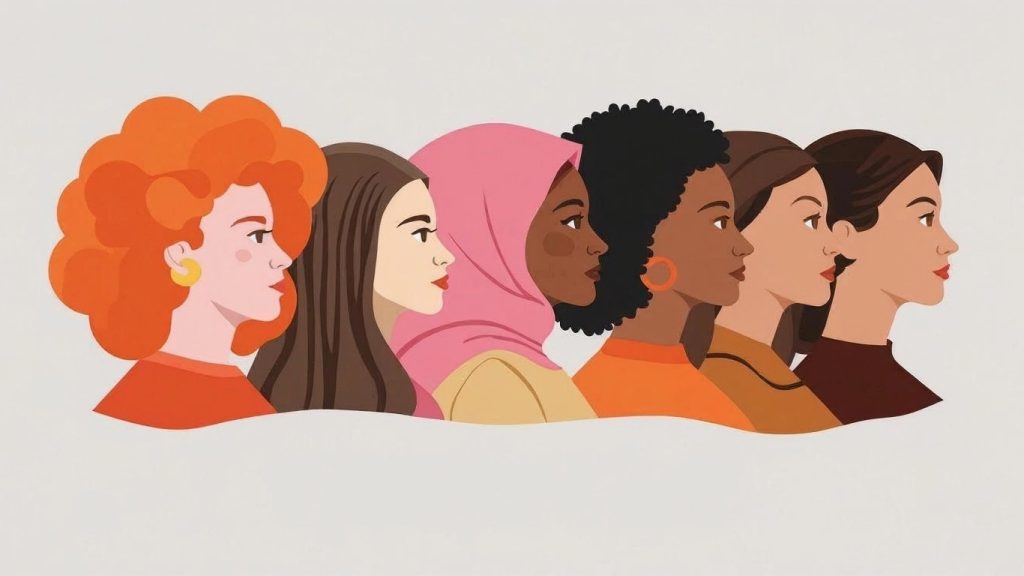
The narrative of Liu’s comeback arrives at a moment when researchers and public health experts are increasingly focused on how mental health is recognized, experienced, and treated, particularly within communities of color. Studies have shown that Black, Hispanic, and Asian adults often face barriers to accessing mental health care, with utilization rates significantly lower than those of White adults — even though experiences of discrimination and chronic stress are widespread. These disparities are shaped by financial, geographic, cultural and linguistic obstacles, and compounded by systemic inequities that can reduce access to diagnosis and treatment.
Public health data from the U.S. Department of Health and Human Services also reveal that Black adults are substantially less likely to receive mental health treatment than the overall U.S. population, despite reporting levels of anxiety and distress that underscore a need for services. Findings from national surveys indicate these patterns extend to young people as well, with higher rates of mental health challenges among youth of color but lower rates of service use compared with their peers.
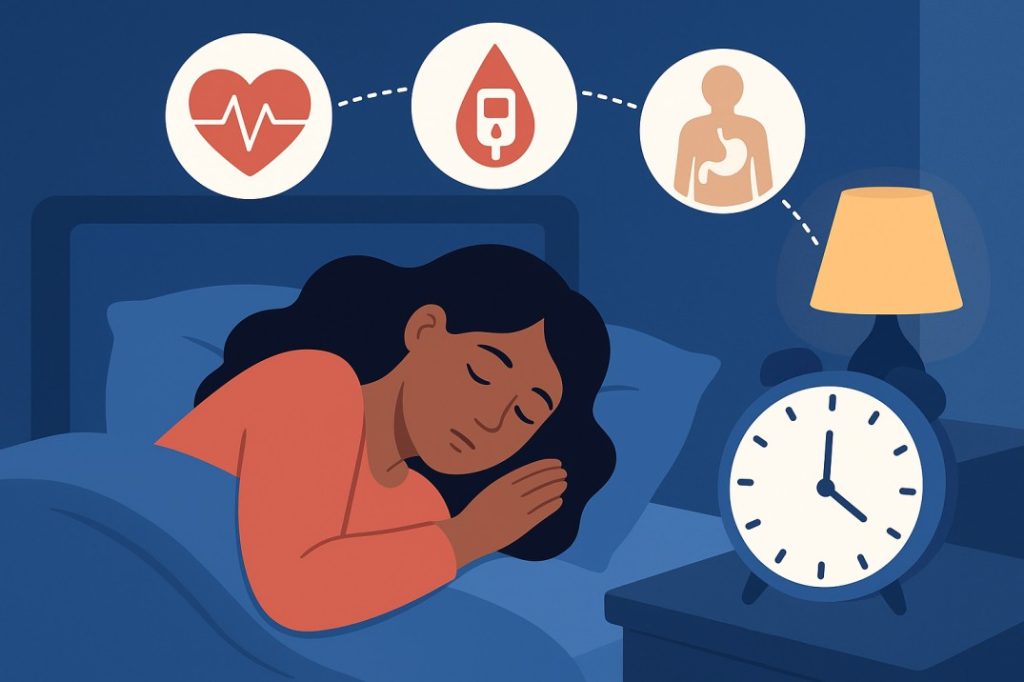
Mental health professionals emphasize that breaks and rest — whether in sports, school, or work — are not simply pauses in productivity. Research indicates that even short breaks from mentally demanding tasks can reduce fatigue and stress, improve focus, and contribute to emotional well-being. Periods of recovery like vacations, mental health days, or time away from high-pressure environments have been linked to greater resilience and motivation upon return to regular activities. While the exact mechanisms vary by context, evidence suggests that detaching from constant demands allows for psychological restoration and prevents long-term burnout.
Liu’s choice to step away from skating — and later to return with a newfound sense of agency — mirrors these broader insights about rest and recovery. Her journey also highlights how cultural expectations sometimes shape responses to stress and mental health. In her own family, for example, open conversation about mental health was initially rare, reflecting broader patterns in many Asian American and other communities where stigma and lack of culturally competent care can hinder help-seeking. Through her actions and visibility, she is helping to broaden that narrative, encouraging others to prioritize well-being and to challenge the notion that high achievement must come at the cost of mental health.

Experts say that addressing the mental health needs of young adults and people of color requires not only individual awareness but systemic change. This includes culturally relevant services, improved access to care, and community-based support that acknowledges historical and present-day stressors linked to discrimination and inequity. Programs that partner with local organizations to deliver culturally informed mental health promotion are emerging as promising strategies to reduce disparities and support emotional wellness.
As Liu’s story continues to unfold, it resonates beyond the rink — serving as a case study in how mental health, rest, and personal agency can intersect with public achievement. For many young people, especially those juggling performance expectations with broader life pressures, her journey underscores that stepping back is not a sign of weakness but a strategic and humane step toward sustainable success.
In closing, Liu’s narrative offers more than inspiration; it reflects an evolving social understanding that mental health is integral to overall health, that communities of color deserve equitable access to support and treatment, and that taking time — whether off the ice or from daily pressures — can be an essential part of long-term well-being. Her Olympic victory, rooted in mental as well as physical resilience, stands as a reminder that health and happiness are inseparable in the pursuit of excellence
Stay Informed. Stay Empowered.