


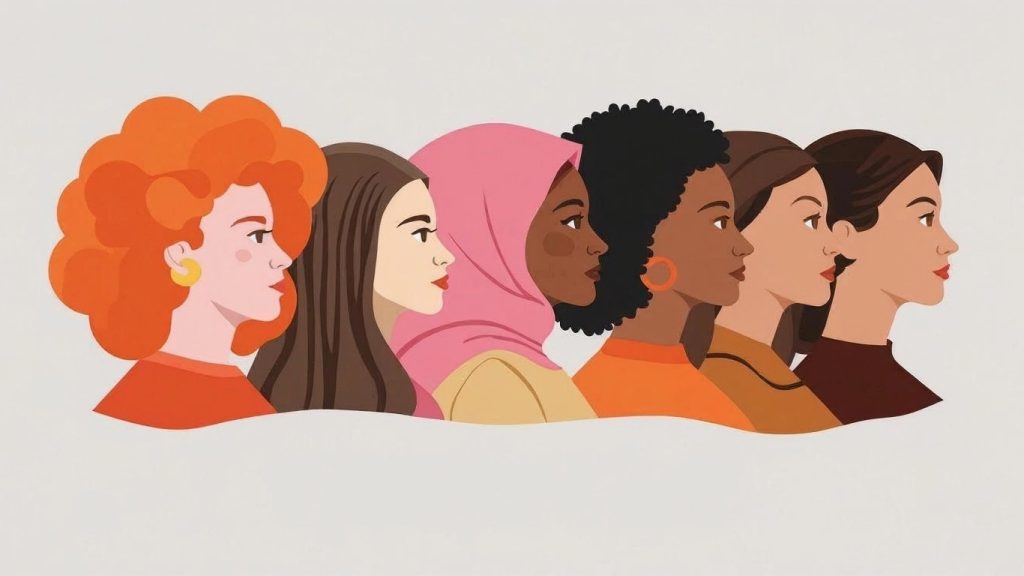








Black History Month 2026 marks 100 years of commemorationโ€”and a renewed spotlight on health equity
Black History Month 2026 Health Equity and Black Maternal Care

Black History Month is reaching a milestone in 2026: a century since historian Carter G. Woodson and colleagues launched what began as Negro History Week and grew into a national observance. The Association for the Study of African American Life and History (ASALH), which Woodson helped found, set this yearโ€™s theme as โ€œA Century of Black History Commemorations,โ€ starting February 1, 2026, urging the public to examine how commemorations have shaped modern life and the status of Black people. ASALH

That centennial arrives as many public health leaders say the nation is still grappling with long-standing inequities that shape who gets sick, who gets timely care, and who lives longest. Federal health officials and researchers increasingly point to โ€œnon-medical drivers of healthโ€โ€”including income, education, neighborhood conditions, and insurance coverageโ€”as forces that can determine outcomes as much as medical care itself. The U.S. Office of Minority Health, for example, notes that these factors can affect health and quality of life and contribute to disparities for Black communities.

In the health world, the story of Black history is also a story of Black medical professionals, community organizers, and advocates who pushed institutions to changeโ€”often amid discrimination that limited access to hospitals, insurance, or respectful treatment. The centennial theme is a reminder that commemoration is not only about remembering accomplishments but also about recognizing unfinished work, including in health.

Disparities that remain in 2026

Some of the clearest measures of unequal outcomes show up around pregnancy and childbirth. The Centers for Disease Control and Prevention (CDC) says Black women are three times more likely than White women to die from a pregnancy-related cause, and the agency emphasizes that most pregnancy-related deaths in the U.S. are preventable with timely recognition of warning signs and respectful, quality care. In recent national reporting on CDC data, the Associated Press has also highlighted that while overall maternal mortality fell in 2023, the racial gap remained stark, with Black women dying at a rate nearly 3.5 times higher than White women.

Heart disease and stroke remain another major fault line. The American Heart Association (AHA) reported in early 2025 that nearly 60% of Black adults ages 20 and older have some form of cardiovascular disease, including conditions such as coronary heart disease, heart failure, stroke, and hypertension. In the same AHA release, the organizationโ€™s chief volunteer scientific and medical officer, Dr. Keith Churchwell, framed the challenge as bigger than data: โ€œThe science is clearโ€”Black communities continue to face disproportionate risks,โ€ he said, adding that progress comes when solutions are built directly with communities.

Researchers have also tried to quantify how geography and race together shape longevity. A major analysis tied to The Lancet and summarized by the Institute for Health Metrics and Evaluation described widening life expectancy differences across U.S. populations, with gaps that can reach two decades depending on where people live and the social and economic conditions around them.

Public health experts often stress that these patterns are not explained by biology alone. The CDC points to differences in access to quality care, underlying chronic conditions, and social determinants of health that shape the chances of having โ€œfair opportunitiesโ€ for physical and emotional health. Advocates have long argued that racism in housing, employment, environmental exposure, and health care can compound risk over a lifetime, influencing everything from stress-related illness to the ability to find a trusted clinician.

Whatโ€™s shifting, and why the centennial matters

While disparities remain, health systems and policymakers are facing growing pressure to change practices that lead to preventable harm. In a February 2026 update, the American Hospital Association described how hospitals are using structured approaches to improve maternal health and reduce preventable complicationsโ€”work that comes amid sustained public attention to the risks Black mothers face.

National organizations also say the path forward requires investments outside clinic walls. The AHA, in its health equity messaging tied to Heart Month and Black History Month activations, has argued that closing survival gaps depends on education, advocacy, and community engagement, including efforts to expand lifesaving skills and address barriers such as access to high-quality care. The Office of Minority Health similarly underscores that understanding the โ€œunique environments, cultures, histories, and circumstancesโ€ of Black communities is fundamental to improving outcomes.

The theme chosen by ASALHโ€”focusing on the impact of commemorationโ€”may resonate in health policy debates because narrative shapes priorities. When the public understands the historical roots of unequal access to care, researchers say it becomes harder to treat todayโ€™s disparities as inevitable or accidental. And when communities see their lived experiences reflected in official data and news coverage, it can strengthen demands for accountability, from safer maternity care to better blood pressure control, stroke prevention, and investments in neighborhood conditions that support healthy lives.

Black History Monthโ€™s centennial is, at its core, about what is remembered and what is acted upon. In 2026, the observance is not only revisiting a century of commemorationโ€”it is also arriving at a moment when the nationโ€™s health statistics continue to show sharp gaps that researchers and clinicians increasingly describe as preventable. The question many advocates are raising this February is whether the next century of remembrance will also be a century of measurable progress, especially for communities that have too often carried the heaviest burden of disease and the greatest barriers to care.

Also Read: Cancer and Black History in the United States

Stay Informed. Stay Empowered.

Trending Topics

Features

Download and distribute powerful vaccination QI resources for your community.

Sign up now to support health equity and sustainable health outcomes in your community.

MCED tests use a simple blood draw to screen for many kinds of cancer at once.

FYHN is a bridge connecting health information providers to BIPOC communities in a trusted environment.

Discover an honest look at our Medicare system.

ARC was launched to create a network of community clinicians to diversify and bring clinical trials to communities of color and other communities that have been underrepresented.

The single most important purpose of our healthcare system is to reduce patient risk for an acute event.

Related Posts
Black History Month 2026 marks 100 years of commemorationโ€”and a renewed spotlight on health equity
Cancer and Black History in the United States
Family Dynamics Shape Diabetes Self-Management for Food-Insecure Black Adults
Scroll to Top
Featured Articles
Black History Month 2026 Health Equity and Black Maternal Care
Black History Month 2026 marks 100 years of commemorationโ€”and a renewed spotl...
Cancer and Black History in the United States


Diabetes self-management in food-insecure families
Family Dynamics Shape Diabetes Self-Management for Food-Insecure Black Adults
Image20260129104343
NMQFโ€™s Role in Helping Flint Reclaim Its Health Future
Pediatric healthcare providers reviewing the American Academy of Pediatrics vaccine schedule for childhood immunizations.
AAP Releases New Vaccine Schedule as Pediatricians Push Back on Federal Changes
Flint Water Crisis Aftermath Health, Trauma, and Trust Fyh.news
The Current State of Life in Flint, Michigan: Water, Health, and Justice
Categories
AI
BIPOC News
Cancer
Clinical Trials
Covid19
Diseases of the Body
Environment
Health Data
Health Equity Events
Health Policy
Heart Health
kidney Health
Subscribe to our newsletter to receive our latest newsโ€‹
All Stories
Black History Month 2026 Health Equity and Black Maternal Care
Black History Month 2026 marks 100 years of commemorationโ€”and a renewed spotl...
Cancer and Black History in the United States
Diabetes self-management in food-insecure families
Family Dynamics Shape Diabetes Self-Management for Food-Insecure Black Adults
BIPOC News
Black History Month 2026 Health Equity and Black Maternal Care
Black History Month 2026 marks 100 years of commemorationโ€”and a renewed spotl...
Cancer and Black History in the United States
Image20260129104343
NMQFโ€™s Role in Helping Flint Reclaim Its Health Future
Environment
Image20260129104343
NMQFโ€™s Role in Helping Flint Reclaim Its Health Future
Nearly a decade after the Flint water crisis health impacts became a national warning about government failure, many Flint residents say they are still living with the consequences. Sen. Elissa Slotkin told the U.S. Senate this month that families continue to report health problems and long-term disruption as court cases and settlements continue Sen. Elissa Slotkin took to the U.S. Senate floor last week to deliver a message Flint residents have been repeating for nearly a decade: the crisis may no longer dominate headlines, but the harm has not ended. โ€œAn American city was poisoned,โ€ Slotkin said, describing families who reported discolored water, rashes, seizures, hair loss, and chronic health problems as officials insisted the tap water was safe. The Flint water crisis began in April 2014, when the city switched its water source to the Flint River without adding corrosion-control treatment, a safeguard that helps prevent lead from leaching out of aging pipes. Public health officials later warned that tens of thousands of residents were exposed to elevated lead levels, and President Barack Obama declared a federal emergency in January 2016. Health officials say families concerned about lead exposure should follow clinical guidance on testing and follow-up care from the Centers for Disease Control and Prevention. Flint is a majority-Black city with high poverty rates, and the crisis quickly became a national symbol of how infrastructure failures and government neglect can compound longstanding racial and economic inequities. Lead exposure is especially dangerous for children. The Centers for Disease Control and Prevention has warned that lead can damage childrenโ€™s brains and nervous systems and contribute to learning and behavioral problemsโ€”harms that can be irreversible. Research examining pediatric blood lead testing patterns in Flint underscores how the crisis altered health behavior and monitoring, even years after the worst contamination became public. The long road to accountability, including the courtroom While the physical infrastructure is improving, Flintโ€™s search for accountability has played out in courtrooms for years. In a highly watched civil โ€œbellwetherโ€ trial in 2022, jurors could not reach a verdict in a case involving engineering firms accused of failing to prevent or mitigate the crisis, leading a judge to declare a mistrial. Since then, major civil settlements have continued to reshape what โ€œjusticeโ€ looks like for many familiesโ€”often less about a single guilty verdict than about whether compensation and long-promised services actually reach affected residents. In February 2025, Michigan Attorney General Dana Nessel announced a $53 million civil settlement with Veolia North America tied to allegations that the companyโ€™s work contributed to prolonging the crisis; the settlement was described as a way to provide closure after years of litigation. The settlement added to earlier agreements, including the stateโ€™s broader $626 million class-action settlement framework meant to compensate people harmed by lead exposure. A court-supervised claims process has approved tens of thousands of claims, but residents have faced long waits as payments move from approval to distribution. The criminal cases tied to the crisis, meanwhile, largely collapsed. A Michigan judge formally dismissed misdemeanor charges against former Gov. Rick Snyder in 2023 after appellate rulings ended the prosecutions, effectively closing that chapter of the legal response. For many Flint families, that outcome deepened the sense that high-level decision-makers escaped meaningful consequences. Health and education impacts also remain a pressing concern. A New York Times report in 2019 described Flint schools struggling with rising needs for individualized education plans and behavioral supports for children who were exposed to leadโ€”needs that educators and parents say require sustained resources, not short-term attention. Separate academic work has linked the crisis to measurable setbacks in educational outcomes, adding to evidence that environmental disasters can shape childrenโ€™s trajectories long after the immediate emergency fades. There has been visible progress on the cityโ€™s pipes. Michigan reported in 2025 that Flint had completed replacement of nearly 11,000 lead water service lines under a legal settlement that required free replacement offers to residents, a milestone that public health leaders framed as nationally significant. Pediatrician Mona Hannaโ€”one of the early voices warning the public about the crisisโ€”told The Washington Post that when water runs through lead pipes, it is โ€œflowing through a straw that is a poison and has no safe level.โ€ Still, Slotkinโ€™s Senate speech captured what many residents say is the unresolved heart of the crisis: trust. She pointed to families who felt dismissed when they first complained, and she said Flint residents are still seeking justiceโ€”including through legal action involving federal regulatorsโ€”while living with the long-term health, educational, and economic consequences of a disaster they did not cause. As Flint marks another year since the emergency declaration, the question for public health and policy leaders is not only how to prevent another Flint, but how to support a community living with the aftershocksโ€”through healthcare access, developmental and educational services, and timely delivery of promised compensationโ€”so that recovery is more than a milestone on paper. Also Read: A New Year, A Fresh Start for Health fyh.news
Flintโ€™s Water Crisis Isnโ€™t Over: Health Effects Persist as Trials and Settlem...
Cold Weather Safety: Preventing Hypothermia, Frostbite, and Winter Injuries
Work Force
dreamstime_s_243253251
The Caregiver Journey: The Hidden Backbone of American Healthcare
Families gather at a Bronx community festival with live music, kidsโ€™ activities, and health booths sharing SOMOS social care resources and free screenings.
Celebrating Hispanic heritage while learning about health care

msn

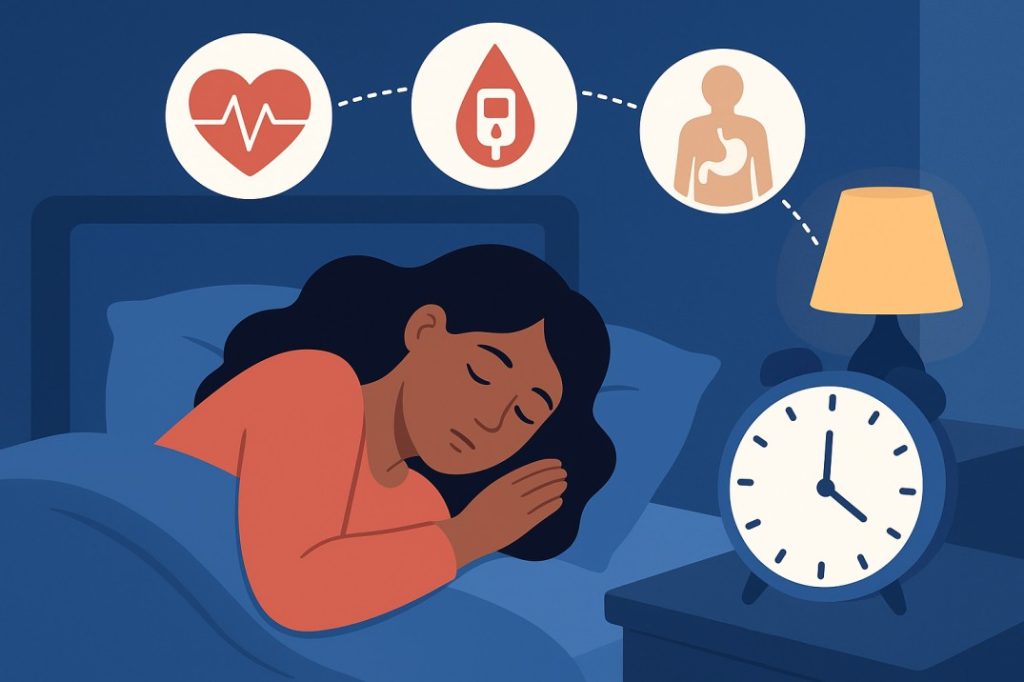
Racial/Ethnic Minorities have Greater Declines in Sleep Duration with Higher Risk of Cardiometabolic Disease
Racial/Ethnic Minorities have Greater Declines in Sleep Duration with Higher ...

pubmed

Clinical Trials
Image20260129104343
NMQFโ€™s Role in Helping Flint Reclaim Its Health Future
Cervical Health Awareness in Communities of Color Highlights Persistent Cancer Disparities
Cervical Health Awareness in Communities of Color Highlights Persistent Cance...
U.S. Vaccine Schedule Changes Under RFK Jr. Raise Concerns for Communities of Color
U.S. Vaccine Schedule Changes Under RFK Jr. Raise Concerns for Communities of...
Vaccines and Outbreaks
the importance of childhood immunization and public health
When Childhood Vaccines Become a Personal Choice, Public Health Pays the Price
New Yearโ€™s Eve Safety Tips Driving, Fireworks, CO Risks fyh.news
New Yearโ€™s Eve Safety Tips: Driving, Fireworks, CO Risks
FYH NEWS FLU SEASON STATS
Severe Flu Season Echoes Pandemic-Era Losses as Pediatric Deaths Rise
Other Categories
AI
Cancer
Read the latest Cancer stories trending around the world
Covid19
Diseases of the Body
Read about the latest Diseases of the Body trending around the world
Friday Webinars
Every Friday, we bring you insightful webinars covering critical topics in healthcare, data equity, and policy reform.
Health Data
Read the latest Health Data stories trending around the world
Health Equity Events
Read the best Health Equity Events around the country.
Health Policy
Read the latest Health Policy stories trending around the world
Heart Health
Read the latest on Heart Health News, Stories and Tips.
kidney Health
Read more trending News about Kidney Health, Stories and Tips.
LGBTQ Health
Read the latest LGBTQ Health stories trending around the world
Lift Every Voice Patient Network