






A petition calling for stronger federal regulation of hair and beauty products marketed to Black women is gaining traction as public health advocates and researchers raise alarms about toxic chemical exposures and inequities in consumer safety oversight. The online petition, titled Expand FDA Regulation of Hair Products Marketed to Black Women, launched in early 2026 on Change.org, urges Congress and the U.S. Food and Drug Administration (FDA) to close regulatory gaps that leave millions of consumers exposed to potentially harmful ingredients without adequate disclosure or safety review. Supporters say this is not only a matter of consumer protection but also one of racial health equity.
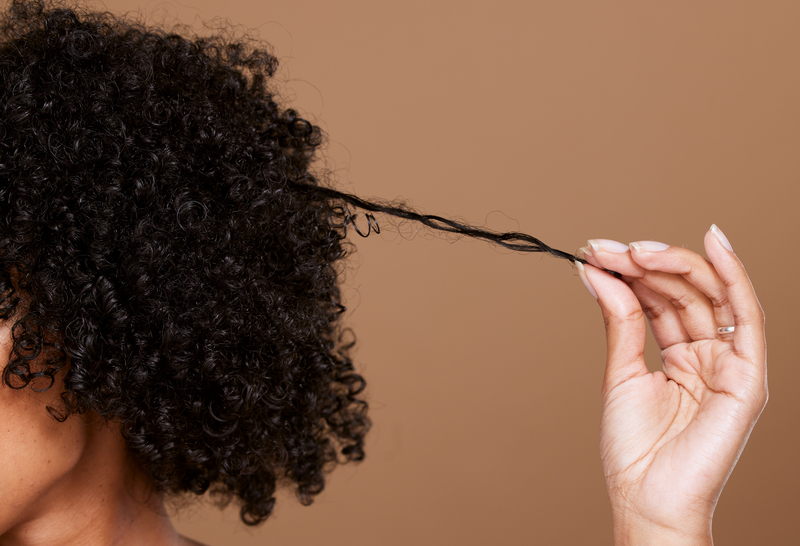
The petition’s organizers point to mounting evidence that everyday hair care products, particularly those frequently used in Black communities such as synthetic braiding hair, relaxers, and certain styling agents, may contain chemicals linked to cancer, reproductive harm and hormone disruption. “Black women and girls deserve to know what is in the products they use most,” the petition states. “Current gaps in regulation leave consumers vulnerable to serious health risks without meaningful protections or transparency.” Signers are calling for Congress to require mandatory ingredient disclosure, independent safety testing, and the removal of known hazardous substances from products that disproportionately target Black women.
The petition comes amid growing scrutiny from scientists, consumer advocacy groups and lawmakers about how chemicals in cosmetics and personal care products contribute to health disparities. Unlike pharmaceuticals or medical devices, cosmetics and many personal care items in the U.S. are not subject to mandatory pre-market safety testing or comprehensive ingredient disclosure. Under current law—the Federal Food, Drug, and Cosmetic Act—manufacturers can market products without proving them safe, and the FDA has limited authority to require safety data or compel recalls. Advocates argue that this framework has not kept pace with scientific understanding of chemical exposures and their cumulative impacts, particularly in communities of color.

Health Risks, Inequities, and Calls for Regulatory Reform
Research indicates that certain classes of chemicals found in personal care products, such as phthalates, parabens and formaldehyde-releasing preservatives, can disrupt endocrine function, mimic hormones and, at high levels of exposure, may contribute to adverse reproductive outcomes and cancer. A 2024 study published in the Journal of Exposure Science & Environmental Epidemiology found that Black women are more likely than White women to use personal care products with higher concentrations of endocrine-disrupting chemicals. These exposures have been associated in epidemiological studies with breast cancer, adverse birth outcomes and metabolic disorders.
In separate research, scientists from the Environmental Working Group and academic partners found that more than half of the products most frequently used by Black women and Latina women contained formaldehyde or preservatives that release formaldehyde, a known carcinogen and respiratory irritant. Because many users apply multiple products daily, the cumulative chemical burden raises questions about long-term health effects that are difficult to measure but potentially significant.
Consumer Reports testing, highlighted by a related petition, recently detected carcinogens in all synthetic braiding hair products tested and lead in nine of ten samples. Lead, a heavy metal with no known safe level of exposure, is associated with neurological damage in children and cardiovascular risks in adults. Critics of current regulations contend that such findings demonstrate the need for enhanced safety standards and robust enforcement mechanisms.
The health equity dimension of this issue is underscored by scholars and public health advocates who describe what some have termed the “Environmental Injustice of Beauty.” According to this framework, systemic racism in marketing and product formulation contributes to higher exposures to toxic ingredients among women of color. Products marketed to Black women are statistically more likely to have moderate to high hazard ratings compared with those marketed to broader audiences, suggesting that racialized marketing intersects with chemical risk.
Experts emphasize that the regulatory landscape has lagged behind scientific advances that link low-dose, chronic chemical exposures to health outcomes. The Endocrine Society, a professional association of hormone researchers, has reported that compounds like phthalates and parabens—common in cosmetics—can interact with hormone receptors and potentially influence disease processes, including cancer progression. While causation is complex and influenced by genetics, environment and behavior, the evidence of harm has prompted calls for precautionary regulation.
In Congress, legislators have previously pressed the FDA to investigate chemical hair straighteners after some studies linked frequent use to higher risks of uterine fibroids and early-onset breast cancer. Those inquiries reflect broader anxieties among health professionals and advocacy groups about the cumulative toll of toxic exposures over a lifetime, particularly in demographic groups that already experience disparities in disease burden.

Supporters of the Change.org petition argue that consumer awareness alone is insufficient. Without regulatory reform, they say, individuals cannot fully protect themselves because ingredient transparency is inconsistent and long-term safety data are lacking. The petition frames its demands not simply as consumer preference but as a matter of civil rights, asserting that all Americans, regardless of race or gender, deserve equal protection from hazardous exposures.
Public health organizations, including the American Public Health Association, have previously called for stronger oversight of personal care products, noting that disparities in chemical exposures contribute to broader patterns of health inequity. Such advocacy highlights the intersection of environmental health, consumer safety and social justice, and suggests that meaningful change may require legislative action as well as shifts in industry practices.
As the petition continues to gather signatures, its supporters hope to sustain public attention and influence lawmakers to act. Whether these efforts will translate into concrete regulatory reforms remains to be seen, but the conversation has catalyzed broader scrutiny of how everyday products intersect with health risks and racial disparities. In raising these issues, the petition underscores a central question for public health policy: how to ensure that all consumers are protected equally and can make informed choices about the products they use—and whether current regulatory systems are up to that task.
Stay Informed. Stay Empowered.