








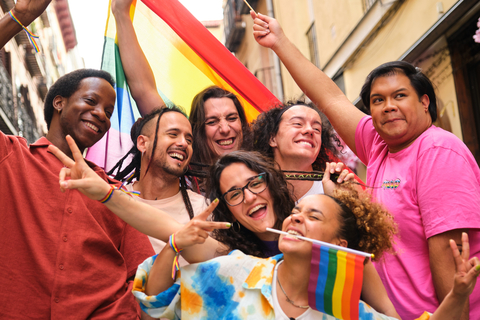
National LGBT Health Awareness Week is drawing renewed attention to persistent health disparities affecting LGBTQ communities, particularly among people of color, where overlapping forms of discrimination continue to shape access to care, health outcomes, and trust in the medical system.
Public health experts say the urgency of this year’s observance lies in the growing body of evidence showing that LGBTQ individuals face significantly worse health outcomes than their heterosexual and cisgender peers. Research published in JAMA Network Open found that sexual and gender minority populations experience higher rates of conditions such as depression, anxiety, and post-traumatic stress disorder, trends that are closely linked to chronic stress driven by stigma and discrimination.
That burden is often compounded for Black, Latino, and other minority LGBTQ individuals, who must navigate both racial and sexual identity-based inequities. According to a survey by Kaiser Family Foundation, about one-third of LGBTQ adults report being treated unfairly or with disrespect by a health care provider, a rate more than double that of non-LGBTQ adults. For Black and Hispanic LGBTQ patients, those experiences are frequently tied not only to sexual orientation or gender identity, but also to race and ethnicity.

Health researchers point to what is often described as “minority stress” as a key driver of these disparities. The concept refers to the cumulative toll of discrimination, social exclusion, and structural inequities, which can lead to poorer physical and mental health outcomes over time. Experts say this stress is not theoretical; it shows up in measurable ways, including higher rates of chronic illness, delayed care, and reduced use of preventive services.
Access to care remains a central challenge. Data analyzed by the Organisation for Economic Co-operation and Development shows that more than one in five LGBTQ adults report avoiding or postponing medical care due to fear of discrimination, while that number rises even higher among LGBTQ people of color. Financial barriers also play a role, with many reporting cost as a reason for delaying treatment, further widening gaps in early diagnosis and care.
Within communities of color, cultural perceptions of LGBTQ identity can also influence health outcomes. Advocates note that in some communities, stigma surrounding sexuality and gender identity may discourage individuals from seeking care or disclosing critical information to providers. This lack of openness can lead to missed diagnoses, particularly for conditions that require honest communication, such as HIV prevention, mental health care, and chronic disease management.

At the same time, community-based organizations and faith leaders are increasingly being recognized as key partners in addressing these gaps. Public health initiatives that engage trusted institutions within Black and Latino communities have shown promise in improving outreach, education, and screening efforts. Experts say culturally competent care—defined as care that respects and understands a patient’s cultural background and identity—is essential to improving outcomes.
Mental health remains one of the most pressing concerns. National data shows that nearly four in ten LGBTQ adults describe their mental health as fair or poor, compared to significantly lower rates among non-LGBTQ populations. Among younger LGBTQ individuals and those with lower incomes, the numbers are even higher, underscoring the intersection of economic and social stressors.
Despite these challenges, advocates say awareness weeks like this one are helping shift the conversation. By highlighting lived experiences and elevating data on disparities, public health leaders hope to push for more inclusive policies, expanded research, and better training for healthcare providers.
National LGBT Health Awareness Week ultimately serves as both a spotlight and a call to action. Experts emphasize that improving LGBTQ health outcomes—particularly for communities of color—will require sustained investment in equitable care, community engagement, and systemic change. Without those efforts, longstanding disparities are likely to persist, leaving some of the most vulnerable populations at continued risk.
Stay Informed. Stay Empowered.