










Measles Outbreaks Surge: Essential Facts and Prevention Strategies
Measles outbreaks pose a growing threat worldwide, making measles outbreak prevention crucial for protecting public health. This highly contagious virus spreads easily through coughing and sneezing, but it can be controlled with effective strategies and information.
Understanding Measles and Its Spread
Measles is a viral infection characterized by fever, cough, conjunctivitis, and a distinctive rash. The virus transmits through respiratory droplets, making crowded environments and low vaccination areas particularly vulnerable. Learn more from WHO. Most importantly, unvaccinated individuals and those without immunity are at the highest risk. Preventing measles outbreaks requires swift action and awareness.
Consequences of Measles Outbreaks
Measles can lead to serious health complications, such as pneumonia, brain swelling, and even death, particularly in children under five and the immunocompromised. As a result, combating the disease is a public health priority. Therefore, enhancing vaccination coverage is essential.

Effective Measles Outbreak Prevention Strategies
Implementing comprehensive measles outbreak prevention is vital to safeguard communities. Strategies include:
- Widespread vaccination: Ensuring high vaccination coverage significantly reduces the likelihood of outbreaks.
- Public education: Raising awareness about measles symptoms and preventive measures can prompt quicker responses.
- Rapid response teams: Mobilizing public health teams quickly to contain outbreaks and track infection chains.
In addition, public health campaigns emphasize the importance of routine immunizations for children and adults.
The Role of Vaccination in Disease Control
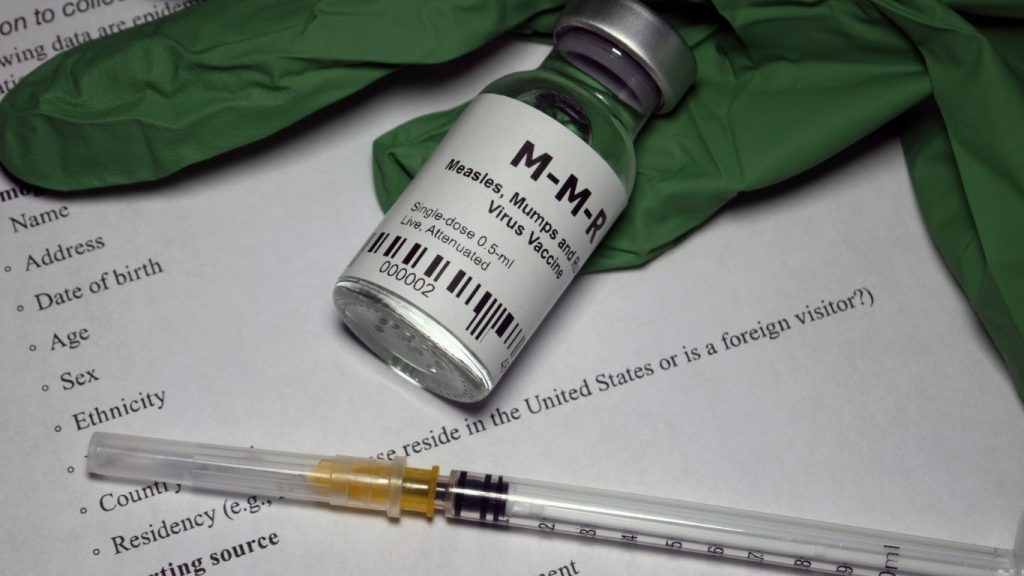
Vaccination remains a cornerstone of measles outbreak prevention. The MMR (measles, mumps, and rubella) vaccine is highly effective, providing lifelong immunity after two doses. Encouraging vaccine uptake, addressing vaccine hesitancy, and ensuring global access can drastically reduce measles cases.
Importance of Global Cooperation
Global cooperation is critical in the fight against measles. Countries must share data, resources, and expertise to tackle outbreaks effectively. In addition, international organizations can support initiatives to boost vaccination rates in resource-limited settings, further preventing measles recurrence.
Conclusion
Ultimately, preventing measles outbreaks requires a multifaceted approach. An informed public, robust vaccination programs, and swift public health responses are key components in controlling the spread of this disease. By focusing on measles outbreak prevention, we can protect vulnerable populations and maintain global health security.
Also Read: What to Expect from the CDC’s March 18 Vaccine Advisory Committee Meeting
Stay Informed. Stay Empowered.