













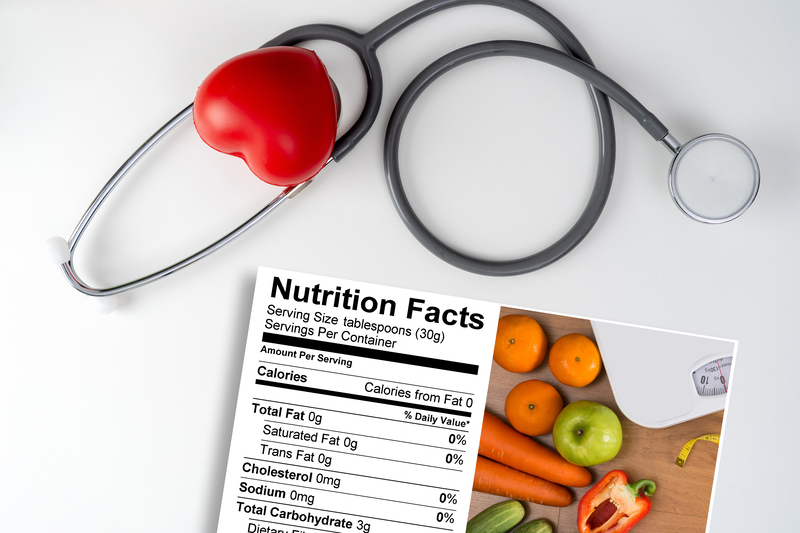
High cholesterol rarely announces itself. There may be no pain, no warning signs and no obvious change in how a person feels, yet over time, unhealthy cholesterol levels can contribute to plaque buildup in the arteries and increase the risk of heart attack and stroke. During National Cholesterol Education Month this September, health experts are emphasizing the importance of knowing your numbers and understanding that cholesterol risk is not the same for everyone.
Hyperlipidemia, commonly referred to as high cholesterol, occurs when there are unhealthy levels of lipids, or fats, in the blood. Low-density lipoprotein, or LDL cholesterol, is often called “bad” cholesterol because elevated levels can contribute to plaque buildup in the arteries. High-density lipoprotein, or HDL cholesterol, helps transport cholesterol away from the arteries, while triglycerides are another type of fat that can contribute to cardiovascular risk when levels are elevated. The American Heart Association notes that there is no single cholesterol number that is considered healthy for every person; treatment decisions depend on an individual’s overall cardiovascular risk.
The issue is particularly important when looking at health equity. Cholesterol itself does not affect one racial or ethnic group in exactly the same way, and recent data show that the prevalence of high cholesterol can vary considerably among populations. The U.S. Department of Health and Human Services reports that in 2024, Black and Hispanic adults were less likely than U.S. adults overall to report high cholesterol, while other cardiovascular risk factors and outcomes tell a more complicated story. In 2022, Black Americans were 35% more likely than the overall U.S. population to die from major heart and blood vessel diseases.
Those differences are one reason cholesterol cannot be viewed in isolation. High blood pressure, diabetes, smoking, family history, age, diet, physical activity and other factors can combine to change an individual’s cardiovascular risk. Access to preventive care also matters. CDC data show that in 2023, 84.2% of Hispanic adults, 88.5% of non-Hispanic Black adults and 85.1% of non-Hispanic White adults reported having been screened for high cholesterol within the previous five years.
Socioeconomic conditions can further shape cardiovascular health. A 2025 CDC analysis of Medicare beneficiaries with diabetes found that food insecurity and lower income were associated with higher prevalence of cardiovascular conditions, while rural residence was associated with a higher prevalence of heart attack. These findings underscore why improving cholesterol health cannot rely solely on telling individuals to “eat better” or “exercise more.” Access to affordable nutritious food, preventive care, medications and trusted health information can all influence whether people are able to manage cardiovascular risk.
For the National Minority Quality Forum, addressing those gaps is part of a broader effort to make cardiovascular health information more understandable and actionable. In May 2026, NMQF launched its “There’s Levels to This” campaign to advance public education around hyperlipidemia. The campaign focuses on helping people understand cholesterol, medications, food choices, insurance and other factors that can make managing high cholesterol feel complicated. NMQF says the educational materials were developed with input from community members through its Lift Every Voice Listening Lab, reflecting the organization’s emphasis on culturally relevant and patient-centered health communication.
Knowing Your Numbers Can Change the Conversation
Because high cholesterol generally does not cause symptoms, testing is one of the most important ways to identify the problem. The CDC says most healthy adults should have their cholesterol checked every four to six years, although people with conditions such as heart disease or diabetes, or those with a family history of high cholesterol, may need more frequent testing.
Managing cholesterol often starts with sustainable changes rather than an all-or-nothing approach. The American Heart Association recommends emphasizing vegetables, fruits, whole grains, beans, nuts, seeds, unsaturated fats and lean proteins while limiting foods high in saturated and trans fats. Regular physical activity can also help improve cholesterol levels, and the AHA recommends about 150 minutes of moderate-intensity activity each week for adults. Avoiding tobacco, maintaining a healthy weight when appropriate, getting adequate sleep and managing conditions such as diabetes and high blood pressure can further reduce cardiovascular risk.
Lifestyle changes, however, are not always enough. Genetics can play a significant role, and some people may have familial hypercholesterolemia or cholesterol levels that require medication. Statins and other cholesterol-lowering medicines can reduce LDL cholesterol and help lower cardiovascular risk. The CDC advises people taking cholesterol medication to follow their treatment plan and not stop medication without first talking with their health care professional.
The updated 2026 ACC/AHA dyslipidemia guideline also places greater emphasis on addressing cholesterol earlier and considering a person’s longer-term cardiovascular risk. The guideline recommends individualized risk assessment and notes that additional markers, including lipoprotein(a) and apolipoprotein B, may help clinicians better understand risk for some patients.
People should talk with a health care professional if they have not had their cholesterol checked, have received an abnormal result, have a strong family history of high cholesterol or early heart disease, or have other conditions that increase cardiovascular risk. Those already taking medication should discuss side effects or concerns rather than stopping treatment on their own. Chest pain, severe shortness of breath, sudden weakness or numbness, difficulty speaking, or other possible signs of a heart attack or stroke require emergency medical attention rather than a routine cholesterol appointment.
National Cholesterol Education Month offers an opportunity to move the conversation beyond a single laboratory number. Hyperlipidemia can affect people differently, and the circumstances surrounding prevention and treatment are shaped by more than biology alone. For communities that continue to experience disparities in cardiovascular outcomes, making cholesterol education clear, culturally relevant and accessible is an important part of prevention. NMQF’s “There’s Levels to This” campaign reflects that approach: understanding cholesterol is not simply about knowing a number, but knowing what that number means for you and what steps can come next.
Stay Informed. Stay Empowered.
Trending Topics
Features
- Drive Toolkit
Download and distribute powerful vaccination QI resources for your community.
- Health Champions
Sign up now to support health equity and sustainable health outcomes in your community.
- Cancer Early Detection
MCED tests use a simple blood draw to screen for many kinds of cancer at once.
- PR
FYHN is a bridge connecting health information providers to BIPOC communities in a trusted environment.
- Medicare
Discover an honest look at our Medicare system.
- Alliance for Representative Clinical Trials
ARC was launched to create a network of community clinicians to diversify and bring clinical trials to communities of color and other communities that have been underrepresented.
- Reducing Patient Risk
The single most important purpose of our healthcare system is to reduce patient risk for an acute event.
- Jessica Wilson
- Subash Kafle


