











- By Jessica Wilson
By Taylarr Lopez, MPH, Health Communications Director, National Minority Quality Forum
For years, I thought my body was fighting against me. My periods were irregular and sometimes disappeared for months at a time. I struggled with painful acne along my jawline that no face wash or prescription cream seemed to fix. I had excess body hair on my chest and stomach that left me feeling embarrassed and confused. Blood tests later showed elevated testosterone levels, which finally explained some of what I had been experiencing.
I was eventually diagnosed with Polycystic Ovary Syndrome—better known as PCOS. At the time, I didn’t know much about it, and honestly, neither did many people around me. I was diagnosed with this condition that was thought to cause cysts to develop on ovaries but for me, ovarian cysts rarely showed up.
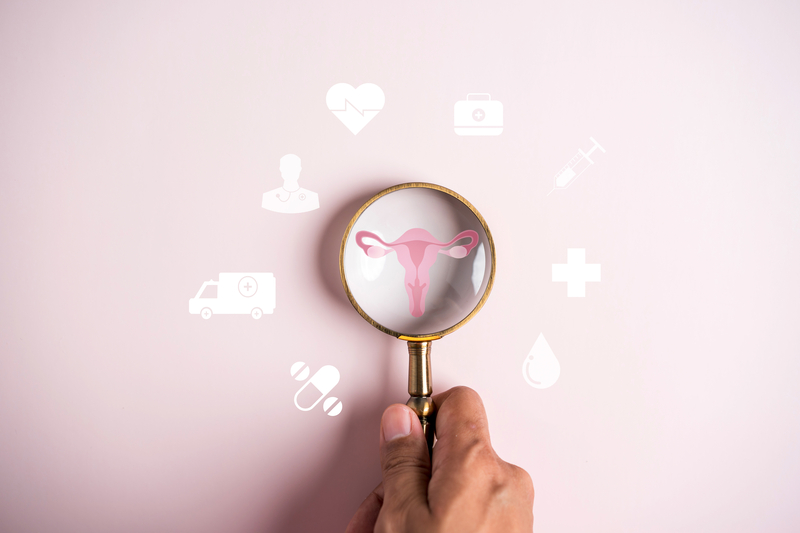
That’s why the proposed shift toward the name “Polyendocrine Metabolic Ovarian Syndrome” (PMOS) is incredibly necessary and far overdue. For so many women, the name “polycystic ovary syndrome” never fully captured what this condition actually is. PMOS is not just about ovaries. It is a full-body condition that impacts hormones, metabolism, skin health, fertility, mental health, and overall quality of life.
And for many of us, the symptoms are invisible until they aren’t. When I started family planning, I learned just how much PMOS could affect fertility. Conceiving wasn’t easy. Over the course of four years, I went through several rounds of Letrozole to help induce ovulation. Month after month came disappointment, frustration, and emotional exhaustion. And don’t get me started on how many times family members would remind me of how old I was getting and that I should try for a baby before it was too late. Little did they know, we were trying—for four long years.
Then came another wake-up call. Additional blood work revealed that my A1c levels were high, and so was my cholesterol. Suddenly, I realized this condition wasn’t just affecting my reproductive health—it was affecting my long-term health, too.
I knew I needed to make changes if I wanted to give myself the best chance to conceive and improve my health overall. I started small. I cut back on sugar. I drank more water. I walked every day. I focused on consistency instead of perfection.
Over time, I lost 30 pounds. And eventually, I conceived my son. That experience changed me. It taught me how interconnected our bodies truly are and how much conditions like PMOS can impact every part of a woman’s life—physically, emotionally, and mentally.
Even now, I still struggle with the effects of this condition. There are days when symptoms flare up, when the hormonal imbalance feels exhausting, and when I wonder why a condition that affects so many women still feels so misunderstood.
That’s why this name change matters. Words matter. Names matter. They shape how conditions are researched, diagnosed, discussed, and treated. A name like PMOS better reflects the complexity of this disease and may help more patients feel seen—especially those who never identified with the “cysts” portion of PCOS.
But a name change alone is not enough. We need more research. More funding. More public awareness. More culturally competent care. More conversations about the metabolic and cardiovascular risks tied to this condition. And we need healthcare providers to take women’s symptoms seriously earlier, instead of dismissing them as “normal,” cosmetic, or simply weight-related.
This moment should not just be about changing a name. It should be the beginning of changing how we listen to, research, diagnose, and care for women living with this condition.
Trending Topics

Features
- Drive Toolkit
Download and distribute powerful vaccination QI resources for your community.
- Health Champions
Sign up now to support health equity and sustainable health outcomes in your community.
- Cancer Early Detection
MCED tests use a simple blood draw to screen for many kinds of cancer at once.
- PR
FYHN is a bridge connecting health information providers to BIPOC communities in a trusted environment.
- Medicare
Discover an honest look at our Medicare system.
- Alliance for Representative Clinical Trials
ARC was launched to create a network of community clinicians to diversify and bring clinical trials to communities of color and other communities that have been underrepresented.
- Reducing Patient Risk
The single most important purpose of our healthcare system is to reduce patient risk for an acute event.
- Jessica Wilson
- Subash Kafle
- Victor Mejia