






For many families of color, the dinner table is a place of gathering and cultural heritage. However, systemic inequalities often mean that the food sold in our neighborhoods carries higher safety risks. Protecting our health requires more than just careful shopping; it requires a commitment to community accountability. When we encounter spoiled meat or contaminated poultry, our first instinct might be to simply toss it. We must realize that reporting these issues is a powerful tool for achieving health justice. Every formal complaint helps the government identify patterns of neglect that disproportionately affect marginalized zip codes. This action transforms a personal frustration into a collective safeguard for everyone in the community.
According to the Centers for Disease Control and Prevention, certain demographics face a higher burden of foodborne illness. This information is not from your provided sources and I recommend you verify it independently. These disparities often stem from limited access to high-quality grocery stores in minority neighborhoods. Unequal access to fresh, high-quality groceries in many urban neighborhoods can lead to a higher prevalence of older or poorly handled stock. When the food system fails our communities, we must use the available regulatory tools to demand better. Silence only allows unsafe practices to continue without intervention. Reporting is an act of advocacy that protects the most vulnerable members of our families.

Taking Action to Protect Our Families
The United States Department of Agriculture (USDA) oversees the safety of our meat, poultry, and egg products. If you find a problem, you should call the toll-free USDA Meat and Poultry Hotline immediately. You can reach them at 1-888-MPHotline or submit your concerns through their official website. These reports allow federal investigators to track down dangerous products before they cause a widespread outbreak. By speaking up, you ensure that corporations meet the same standards in every neighborhood. Your report provides the data necessary for the government to take corrective action against manufacturers.
To make a report effective, you must keep certain items as physical evidence of the problem. You should save the original container or packaging and any foreign objects found in the food. If any portion of the food remains uneaten, you should refrigerate or freeze it for potential testing. You will also need to provide specific details like the brand name and the manufacturer. Look for the establishment number, or EST, near the USDA inspection shield. This number identifies the specific facility that processed and packaged the product.
Beyond the product itself, you should note the name and location of the store involved. Having the purchase date and any package codes ready will help the hotline staff investigate quickly. If you believe the food has made you ill, you must prioritize your medical care. See a physician right away and keep a record of your symptoms and the timing. Sharing the name of your doctor with the hotline can help link your case to others. You may also choose to complain directly to the retail store or the manufacturer.
Public health is a shared responsibility that depends on the vigilance of every citizen. We cannot wait for others to fix the disparities in our food system for us. By reporting every issue, we demand the high quality of food that our families deserve. Remember the basic safety rule: “when in doubt, throw it out”. Do not risk your health by consuming a product that seems suspicious or contaminated. Your voice is the most effective defense we have against foodborne illness in our community.
Stay Informed. Stay Empowered.
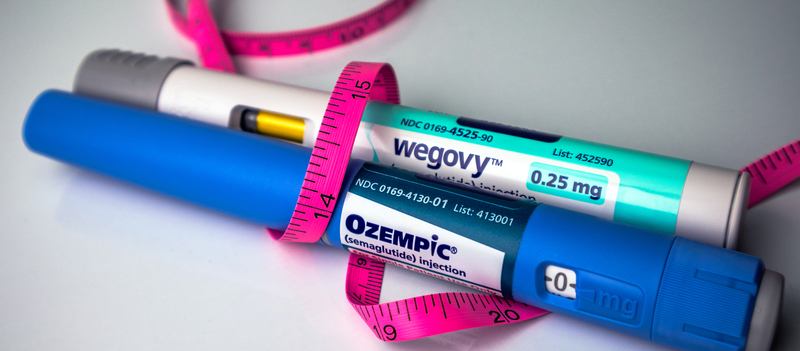
Read Lower Prices for Wegovy and Ozempic — Will You Pay Less?