










U.S. Pesticide Exposure Up to 5 Times Greater for People of Color : Indybay

[ad_1]

New Study Shows People of Color in U.S. Are More Likely to Be Harmed by Pesticides Due to Weak Regulations, Lax Enforcement

WASHINGTON, April 18, 2022 — A peer-reviewed study published today in the academic journal BMC Public Health finds that Black, Indigenous and people of color, along with low-income communities, shoulder an outsized burden of the harms caused by pesticides in the United States.

The study, Pesticides and Environmental Injustice in the USA: Root Causes, Current Regulatory Reinforcement and a Path Forward, is the first-ever comprehensive assessment of U.S. disparities in pesticide protections and oversight. It found widespread evidence of greater exposure and harm in communities of color and low-income communities in both residential and workplace settings.

Conducted by researchers at Historically Black Colleges and Universities and farmworker, racial justice and conservation groups, the study concludes that disparities in exposure and harm to environmental justice communities exist in both rural and urban settings and occur throughout the lifecycle of pesticides, from their manufacture to their use.

“Like many other pollutants, pesticides are a major environmental justice issue,” said Robert Bullard, director of the Bullard Center for Environmental and Climate Justice at Texas Southern University. “The cost of these chemicals isn’t just paid for at the cash register, it’s also being paid for by communities that have been marginalized for centuries. The Biden administration can, and must, move aggressively to right this long-ignored injustice.”

The findings include:

* Disproportionate exposure: Biomarkers for 12 harmful pesticides tracked over the past 20 years were found in the blood and urine of Black or Mexican Americans at average levels as much as five times higher than in whites.
* Weak farmworker protections: An estimated 10,000 to 20,000 predominately Latinx agricultural workers fall ill each year due to pesticide exposure, yet they continue to be excluded from pesticide protections provided to the general public.
* Unequal risks: In California, Louisiana, Georgia, South Carolina, Tennessee, Arkansas and Missouri, people of color make up about 38% of the population, but 63% of the population living near the 31 pesticide manufacturing plants in violation of environmental laws like the Clean Air Act and Clean Water Act.
* Poisonous housing: 80% of low-income housing facilities in New York state regularly applied pesticides. And 30% of pregnant African American and Dominican women in New York City had at least eight pesticides detected in a home air-monitoring study.

In addition, the study found, current laws, regulations and regulatory practices are perpetuating these inequalities. A summary of the findings can be found here: https://biologicaldiversity.org/campaigns/pesticides-and-environmental-justice/

“This report just highlights what we have known all along,” said Jeannie Economos, the pesticide safety and environmental health project coordinator at Farmworker Association of Florida. “The people doing some of the most important work in our country — harvesting the food that feeds the nation — bear a disproportionate burden of the toxic pesticide exposure that risks their and their family’s health and lives. This report makes this unequivocally clear, so we ask our political leaders committed to environmental justice, ‘What are you going to do about it?’ ”

“Our regulatory systems exclude farmworkers from basic protections,” said Amy K. Liebman, director for environmental and occupational health for Migrant Clinicians Network. “This results in farmworkers and their families being regularly overexposed to pesticides that have acute and chronic health repercussions, and negatively affect the health of agricultural communities. Strong and enforced regulations are needed now.”

“As a Black-led organization representing a state where 45.8% of our renter population is considered low-income or cost-burdened, and agriculture employs 17% of our total workforce, the disproportionate impact of pesticides on Black and Brown communities and workers is of immense concern to not only our organization, but those we serve,” said Jovita Lee, policy director for Advance Carolina. “It is our duty to implore our federal leadership to act immediately by implementing protections that will alleviate this burden and provide a safer environment for our people.”

“The Northwest Center for Alternatives to Pesticides seeks to understand and address patterns of oppression and racism within our work to protect human and environmental health from the impacts of pesticide use and we expect current U.S. laws, policies and pesticide regulatory practices to do the same,” said Dominica Navarro Martinez, co-director of the Northwest Center for Alternatives.

“For too long communities of color have served as literal dumping grounds for many of our nation’s most dangerous toxic chemicals, including pesticides,” said Fatemeh Shafiei, director of environmental studies and associate professor of political science at Spelman College. “This must change. It’s time for state and federal regulators across the U.S. to jumpstart aggressive efforts to put an end to this deeply troubling form of environmental racism.”

“Pesticides are more likely to harm people of color because of firmly entrenched policies and laws that stack the deck against them,” said Nathan Donley, environmental health science director at the Center for Biological Diversity. “This research identifies concrete steps the Biden administration can take to begin righting these wrongs.”

Today’s study was authored by researchers at Texas Southern University, Spelman College, Farmworker Association of Florida, Farmworker Justice, Advance Carolina, Migrant Clinicians Network, Northwest Center for Alternatives to Pesticides and the Center for Biological Diversity.

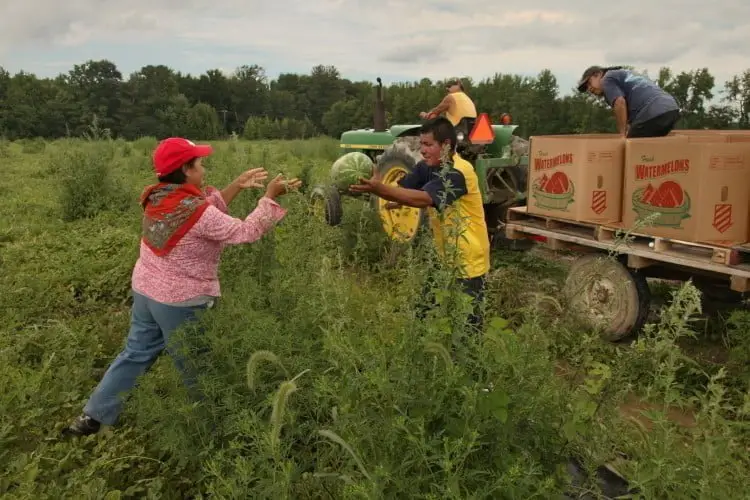
[Photo: Farmworkers harvesting watermelons. Credit: Earl Dotter/Migrant Clinicians Network.]

The Center for Biological Diversity is a national, nonprofit conservation organization with more than 1.7 million members and online activists dedicated to the protection of endangered species and wild places.

https://biologicaldiversity.org/w/news/press-releases/new-study-shows-people-of-color-in-us-are-more-likely-to-be-harmed-by-pesticides-due-to-weak-regulations-lax-enforcement-2022-04-18/

[ad_2]

Source link

Trending Topics

Features

Download and distribute powerful vaccination QI resources for your community.

Sign up now to support health equity and sustainable health outcomes in your community.

MCED tests use a simple blood draw to screen for many kinds of cancer at once.

FYHN is a bridge connecting health information providers to BIPOC communities in a trusted environment.

Discover an honest look at our Medicare system.

ARC was launched to create a network of community clinicians to diversify and bring clinical trials to communities of color and other communities that have been underrepresented.

The single most important purpose of our healthcare system is to reduce patient risk for an acute event.

Related Posts
Early Cancer Detection Is Entering a New Era. Flint Is Helping Lead the Way.
Why Your “Ozempic” May Not Be Ozempic: FDA Warnings Highlight Growing Risks of Unregulated GLP-1 Drugs
The Communities Most Burdened by Disease Should Be the First to Benefit from Artificial Intelligence
Scroll to Top
Featured Articles
Early Cancer Detection Is Entering a New Era. Flint Is Helping Lead the Way.
Why Your “Ozempic” May Not Be Ozempic: FDA Warnings Highlight Growing Risks of Unregulated GLP-1 Drugs
Why Your “Ozempic” May Not Be Ozempic: FDA Warnings Highlight Growing Risks o...
The Communities Most Burdened by Disease Should Be the First to Benefit from Artificial Intelligence
The Communities Most Burdened by Disease Should Be the First to Benefit from ...
Cancer Pain Care Access Gap Hits Black, Asian Patients
Black and Asian Cancer Patients Wait Longer for Pain Relief in New Study
What Is Cyclosporiasis Symptoms, Food Safety, and Reasons
What Is Cyclosporiasis? The Foodborne Illness Showing Up in the News
Why Minority Mental Health Awareness Month Matters More Than Ever
Categories
AI
ATTR-CM
BIPOC News
Cancer
Clinical Trials
Covid19
Diseases of the Body
Environment
Health Data
Health Equity Events
Health Policy
Health Tips
Subscribe to our newsletter to receive our latest news​
All Stories
Early Cancer Detection Is Entering a New Era. Flint Is Helping Lead the Way.
Why Your “Ozempic” May Not Be Ozempic: FDA Warnings Highlight Growing Risks of Unregulated GLP-1 Drugs
Why Your “Ozempic” May Not Be Ozempic: FDA Warnings Highlight Growing Risks o...
The Communities Most Burdened by Disease Should Be the First to Benefit from Artificial Intelligence
The Communities Most Burdened by Disease Should Be the First to Benefit from ...
BIPOC News
Early Cancer Detection Is Entering a New Era. Flint Is Helping Lead the Way.
The Communities Most Burdened by Disease Should Be the First to Benefit from Artificial Intelligence
The Communities Most Burdened by Disease Should Be the First to Benefit from ...
Why Minority Mental Health Awareness Month Matters More Than Ever
Environment
UV Safety Awareness Month Raises Urgency on Skin Cancer Prevention and Sun Protection Equity
UV Safety Awareness Month Raises Urgency on Skin Cancer Prevention and Sun Pr...
Extreme Heat Safety Tips 5 Ways to Protect Your Health This Summer fyh.news
5 Heat Safety Tips That Could Protect Your Health This Summer
Lupus Awareness Event in Baltimore Aims to Support Research and Shine a Light on Health Disparities
Lupus Awareness Event in Baltimore Aims to Support Research and Shine a Light...
Work Force
A multigenerational Black and Hispanic family sitting together in a park, showing how Social Security helps support older adults, people with disabilities, and families across generations.
Millions of Older Americans Could Face Smaller Social Security Checks by 2032...
dreamstime_s_243253251
The Caregiver Journey: The Hidden Backbone of American Healthcare
Families gather at a Bronx community festival with live music, kids’ activities, and health booths sharing SOMOS social care resources and free screenings.
Celebrating Hispanic heritage while learning about health care

[xyz-ips snippet=”Output-Source-Name”]

Clinical Trials
Early Cancer Detection Is Entering a New Era. Flint Is Helping Lead the Way.
Why Your “Ozempic” May Not Be Ozempic: FDA Warnings Highlight Growing Risks of Unregulated GLP-1 Drugs
Why Your “Ozempic” May Not Be Ozempic: FDA Warnings Highlight Growing Risks o...
Clinical Trial Diversity Remains a Critical Challenge in Alzheimer’s Research
Vaccines and Outbreaks
A parent checking a child's temperature during summer, illustrating the changing RSV patterns and year-round respiratory virus risks.
Can You Get RSV During the Summer?
Michelle Lam, MBA, of NYC Health + Hospitals/Elmhurst & Amy Harris of NYC Health + Hospitals/Elmhurst
Healthcare Leaders Spotlight Vaccine Equity and Adult Immunization Strategies...
Measles Outbreaks Surge: Essential Facts and Prevention Strategies
Other Categories
AI
Read the latest AI News stories trending around the world
ATTR-CM
Cancer
Read the latest Cancer stories trending around the world
Covid19
Diseases of the Body
Read about the latest Diseases of the Body trending around the world
Friday Webinars
Every Friday, we bring you insightful webinars covering critical topics in healthcare, data equity, and policy reform.
Health Data
Read the latest Health Data stories trending around the world
Health Equity Events
Read the best Health Equity Events around the country.
Health Policy
Read the latest Health Policy stories trending around the world
Health Tips
Heart Health
Read the latest on Heart Health News, Stories and Tips.
kidney Health
Read more trending News about Kidney Health, Stories and Tips.