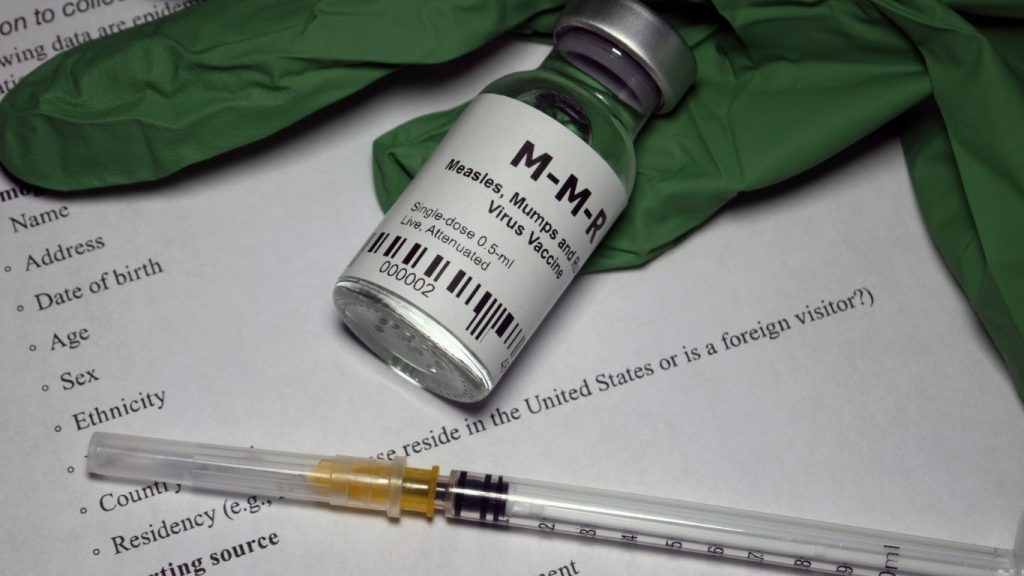







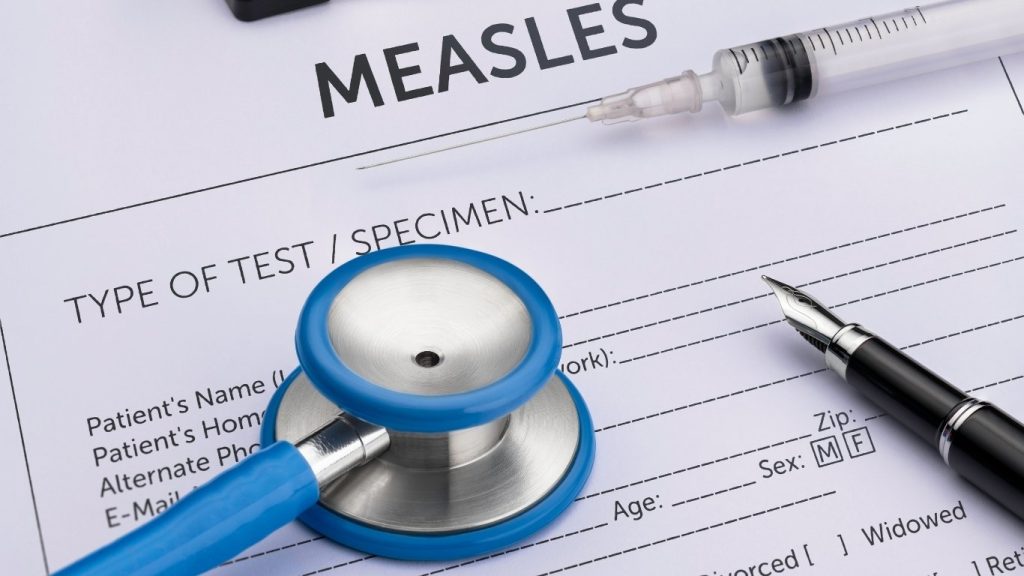
U.S. measles cases in 2026 have climbed quickly as outbreaks spread across multiple states and health officials warn that declining MMR vaccination coverage is leaving more communities vulnerable. The United States has reported 1,136 confirmed measles cases so far in 2026, a rapid rise that federal health officials say is being driven largely by outbreaks and uneven vaccination coverage across communities. The Centers for Disease Control and Prevention said the cases have been reported by 28 jurisdictions as of February 26, with additional infections identified among international visitors. The agency also reported that about 90% of confirmed cases this year are linked to outbreaks, underscoring how quickly the virus can spread once it reaches clusters of unvaccinated people. CDC
Local alerts are now appearing regularly in regions far from the largest outbreak areas, reflecting how travel and everyday public exposures can seed new chains of transmission. In California, for example, county health officials recently warned of potential measles exposure at a fast-food restaurant in the Bay Area after a resident who had traveled internationally visited while infectious, advising exposed people to monitor for symptoms and contact a provider before seeking in-person care.

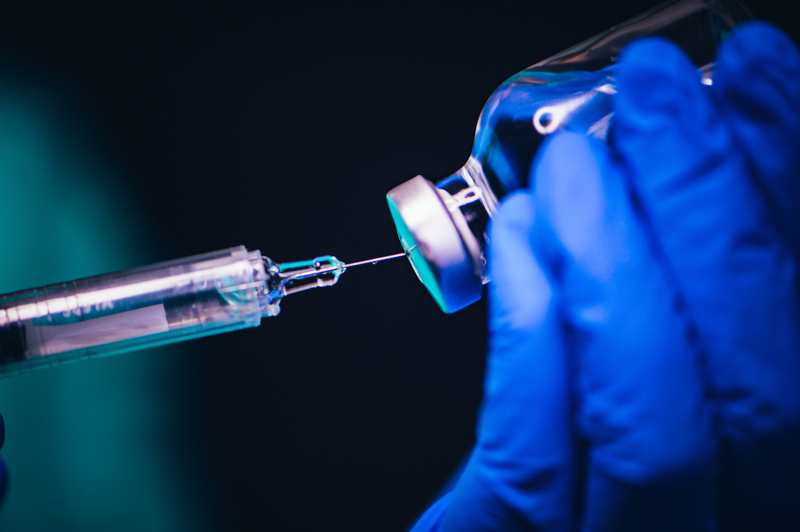
Measles is one of the most contagious respiratory viruses, and public health agencies have long warned that it exploits even small cracks in community immunity. The CDC says the measles, mumps and rubella (MMR) vaccine is “very safe and effective,” and notes that when community vaccination coverage stays above 95%, outbreaks are far less likely because most people are protected through community immunity. But the agency reports that MMR coverage among U.S. kindergartners has fallen from 95.2% in the 2019–2020 school year to 92.5% in 2024–2025, leaving an estimated 286,000 kindergartners at risk.
Clinicians and pediatric groups say the recent pace of spread is consistent with what happens when measles reaches pockets of low coverage. In a February update, the American Academy of Pediatrics’ AAP News reported that, at that point, 94% of confirmed U.S. cases were among people who were unvaccinated or whose vaccination status was unknown, and that most cases were tied to outbreaks that began in 2025 or 2026. The report also highlighted that one dose of MMR is about 93% effective and two doses about 97% effective, figures widely cited in immunization guidance.
The U.S. surge is also part of a broader resurgence across the Americas and globally. In an epidemiological alert issued in February, the Pan American Health Organization warned that measles transmission in the region has accelerated, citing more than a thousand confirmed cases in multiple countries in the first weeks of 2026 and emphasizing that regional coverage still remains below the 95% threshold needed to prevent outbreaks. The agency noted that, among cases with vaccination information, most were unvaccinated, and that the highest incidence rates were being seen among infants under 1 year of age, who are too young for routine measles vaccination in many schedules and therefore rely heavily on the protection offered by high community coverage.

Why vaccination gaps matter for health equity
Public health researchers say the current moment is a reminder that “average” vaccination rates can hide sharp local gaps that determine who gets exposed first and who faces the greatest risk of complications. The CDC has warned that coverage can “vary considerably” at local levels and that outbreaks can occur when measles enters communities with more unvaccinated people, even in states that otherwise report high overall coverage.
Those pockets can intersect with structural barriers that have long shaped health outcomes in the U.S., including access to primary care, paid time off, transportation, language services, and health information people trust. For communities of color, those barriers may be compounded by medical mistrust rooted in discrimination and unequal treatment, making outbreak response harder if it relies only on broad messaging rather than culturally and linguistically specific outreach through local clinicians, schools, and community organizations.
Public officials and international health leaders have also pointed to misinformation as a key factor that can widen gaps and leave children behind. In a February joint update, UNICEF Regional Director Regina De Dominicis warned that “until all children are reached with vaccination,” and misinformation-driven hesitancy is addressed, children will remain at risk of severe illness and death from measles. In the same statement, WHO Europe’s regional director stressed that outbreaks will continue “unless every community reaches 95% vaccination coverage,” a benchmark echoed by U.S. public health agencies.
Beyond the direct health risks, the financial burden of outbreak response can strain local systems that already operate with limited resources. Johns Hopkins’ International Vaccine Access Center reported that a systematic review of U.S. outbreaks estimated an average public health cost of about $43,000 per case, reflecting expenses such as investigation, contact tracing, testing, and emergency vaccination efforts. “By illustrating how costs escalate with outbreak size, this analysis reinforces the substantive burden declining MMR coverage can place on health budgets,” said Bryan Patenaude, a Johns Hopkins health economist and study author, in a statement accompanying the research.
Health departments continue to urge families to check immunization status and to call ahead before visiting clinics or emergency rooms if measles is suspected, both to protect vulnerable patients and to limit exposure in waiting rooms. With outbreaks now accounting for the overwhelming majority of U.S. cases, public health officials say the near-term trajectory will depend on whether communities can close immunization gaps quickly, especially among children, while building trust with families who face barriers to care or have been targeted by vaccine misinformation.
Also Read: Protecting Our Communities Through Food Safety Reporting
Stay Informed. Stay Empowered.