









Race Equity Week is an emerging observance and set of activities focused on advancing racial equity by encouraging communities, organizations and institutions to confront and address systemic barriers that lead to unequal outcomes based on race. While there is not a single, universally codified version of the week in the United States, local governments and community groups have used the concept to spotlight disparities and promote intentional action. In Cook County, Illinois, for example, officials have hosted annual Racial Equity Week events featuring public programs and discussions designed to spark conversation about justice, inclusion and equitable opportunity for residents regardless of race, nationality, gender or zip code, with the goal of inspiring community engagement and policy attention to persistent inequities.
At its core, Race Equity Week is rooted in the broader concept of racial equity, which experts describe as both a process and an outcome. According to Race Forward, racial equity means changing policies, practices and cultural norms so that one’s racial identity no longer predicts socioeconomic outcomes or access to opportunity. It requires intentional efforts to undo long-standing inequities, whether in education, housing, employment or health, and it involves measurable change in the lives of people of color.
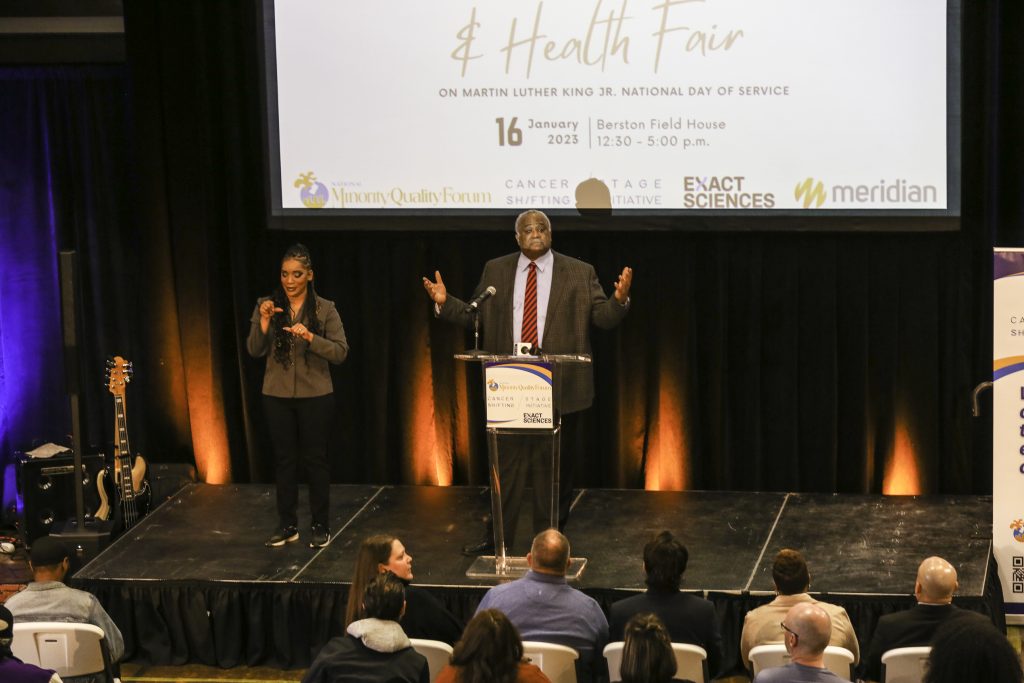
In practice, Race Equity Week typically involves educational events, public forums, workshops and other activities that bring people together to learn about how systemic racism operates and to explore strategies for advancing fairness and inclusion. In some cases, local government leaders use the week to update the public on equity initiatives, report progress, and highlight the work of partner organizations and advocates. In Cook County’s past programming, officials combined community discussions with policy briefings and virtual events in hopes of strengthening public understanding of equity as a civic priority.

The timing and structure of Race Equity Week vary by organization and region. Some groups align it with related observances, such as Black History Month or other equity-focused campaigns, to sustain momentum on discussions about race and inclusion beyond those designated moments. Other versions of equity observances are more global in scope; for example, Race Equality Week in the United Kingdom mobilizes thousands of organizations across sectors to tackle racial inequality in workplaces and communities, emphasizing collective action and long-term cultural change.
Advocates and scholars emphasize that the week’s purpose extends beyond awareness-raising to include actionable outcomes that affect policy and practice. Public health leaders, for instance, often tie race equity programming to health equity challenges, given the well-documented disparities in health outcomes among racial and ethnic groups. Efforts like Health Equity Week of Action, organized by medical and public health student groups, provide structured opportunities for future clinicians to examine how race-based practices in medicine and clinical algorithms can perpetuate disparities in care, and to explore strategies for more inclusive, equitable health systems.
Similarly, national health organizations stress the connection between racial equity and health outcomes. The American Public Health Association describes racial equity as requiring deep structural change to ensure that racism—defined as a system that assigns value and opportunity based on race—no longer determines someone’s chance to thrive. This approach acknowledges that health disparities are not accidental but arise from policies and practices that disadvantage communities of color.

Experts who study equity work note that dedicated weeks of action and education can serve as catalysts for ongoing change. By setting aside concentrated time for learning, reflection and dialogue, communities can build shared understanding of how policies and institutions affect different racial groups and identify tangible steps toward more equitable outcomes. Local chapters of national organizations, nonprofits and public agencies use these weeks to convene stakeholders, share data, and engage residents in discussions that might otherwise not take place in regular civic rhythms.
Despite the varied forms Race Equity Week may take, the narrative thread remains consistent: racial inequities are deeply rooted in American social, economic and institutional systems, and addressing them requires both acknowledgment of historical and contemporary disparities as well as sustained action to dismantle the barriers that produce unequal conditions. Through a combination of public forums, policy engagement and community education, Race Equity Week aims to create space for these conversations and to move people from awareness toward measurable change.
In closing, Race Equity Week underscores a broader commitment to dismantling systemic inequities that affect the lives of people of color in the United States. By fostering dialogue and action that center fairness and inclusion across institutions and communities, organizers hope to help ensure that race no longer predicts someone’s access to opportunity, health, or prosperity.
Also Read: Black History Month 2026
Stay Informed. Stay Empowered.