









Why extreme heat endangers more Black, Hispanic and Indigenous people

[ad_1]

Tim Grist Photography/Getty Images

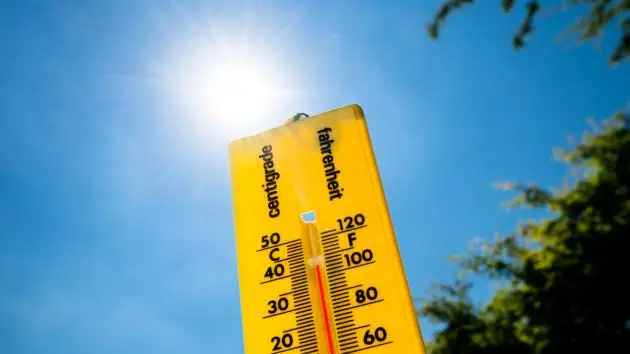
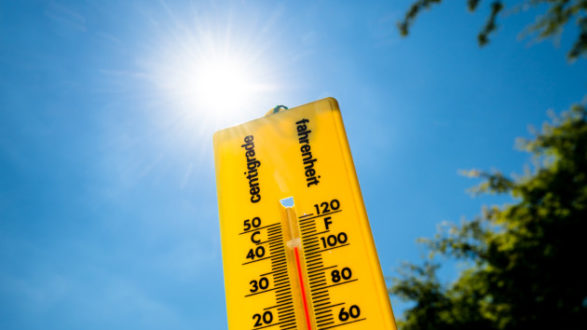
(NEW YORK) — Across the United States, millions are facing extreme heat as temperatures hold steady in the triple digits. For communities of color, underlying systemic inequities increase the chances of heat-related illnesses and death.

Heat is among the deadliest of all weather-related disasters, beating out floods, lightning and hurricanes, according to the National Weather Service. The World Health Organization estimates that heatwaves caused more than 166,000 deaths globally between 1998 and 2017.

The rates of emergency department visits for heat-related causes increased by 67% for African Americans, 63% for Hispanics, 53% for Asian Americans and 27% for white people from 2005 to 2015, according to a report in the Wilderness and Environmental Medicine journal.

Between 2004 and 2018, the Centers for Disease Control and Prevention found that Indigenous groups had the highest rates of heat-related death, followed by Black populations.

The impact on people of color in the U.S. during the ongoing heat wave may be exacerbated through various iterations of discrimination and inequity.

Poor urban planning and housing discrimination raises risks

People of color were exposed to more extreme urban heat than white people in almost every major U.S. city, a 2021 study published in the research journal Nature found.

That’s because of “urban heat islands,” where poor urban planning removed much of an area’s natural green lands and replaced them with pavement, buildings and other materials that retain and absorb heat, according to the report.

This type of urban planning causes the air to heat up more than it does in leafier areas. Black and Hispanic residents have the highest average summer urban heat island exposure, according to the study in Nature.

“We find that the average person of color lives in a census tract with higher SUHI intensity than non-Hispanic whites in all but 6 of the 175 largest urbanized areas in the continental United States,” the report says.

This discrepancy is caused by redlining and housing discrimination that pushed Black and brown communities into neighborhoods with fewer trees and green spaces and heavier traffic, experts say.

The urban heat island effect is worsening, as more people are continuing to move into and grow cities, Dr. Angel Hsu, a climate scientist at the University of North Carolina in Chapel Hill, told ABC News.

“We found that 97% of major cities in the U.S. where more than a quarter of a million people live were seeing the same disproportionate exposure patterns for communities of color and people who are living below the poverty line,” Hsu said. “That seems to suggest that it’s not just a policy that we can blame from the 1960s.”

Around 83% of people in the U.S. live in urban areas, up from 64% in 1950, according to a study from the University of Michigan. About 89% of the U.S. population will live in an urban area by 2050.

Workforce imbalances leave some exposed

People of color are also disproportionately exposed to extreme heat through their occupations, according to health research organization KFF.

Researchers found that noncitizen and Latino migrant workers respectively make up 50% and 75% of agricultural workers in the U.S. It’s a group that’s about 20 times more likely to die from heat-related illnesses compared to other U.S.-based workers, the organization says.

“Some of the big concerns are that the exposure to extreme heat is just one thing that may lead to so many other issues, with regards to access to foods, with regards to people being able to go out to work and provide for their families and afford a lot of things,” said Nambi Ndugga, a policy analyst with KFF’s Racial Equity and Health Policy Program.

Low-income households, especially those in predominantly Black, Hispanic or Indigenous communities, may have a hard time accessing cooling centers or using air conditioners due to the high cost of energy bills, experts say.

“We need to be making sure that people have access to air conditioning in their homes and we know that communities of color have disproportionately lower access to air conditioning and the ability to run it,” Rachel Licker, the principal climate scientist at the science advocacy group Union of Concerned Scientists, told ABC News. “Obviously, that’s becoming more and more of an issue as energy bills are increasing right now.”

Health disparities can lead to increased risks

Health disparities often plague Black, Hispanic and indigenous communities, thanks to inequities in healthcare access, quality insurance, access to healthy foods and other factors, a report in Everyday Health found.

These groups experience cardiovascular and respiratory diseases — such as heart disease, hypertension and asthma — at higher rates, which could increase one’s risk of being hospitalized or dying from extreme heat as well, health experts say.

Extreme heat can worsen or aggravate existing health conditions, the CDC found.

“We know that those communities have disproportionately lower access to quality health care to deal with health-related issues as a result of extreme heat,” said Licker.

Copyright © 2022, ABC Audio. All rights reserved.

[ad_2]

Source link
Trending Topics

Features

Download and distribute powerful vaccination QI resources for your community.

Sign up now to support health equity and sustainable health outcomes in your community.

MCED tests use a simple blood draw to screen for many kinds of cancer at once.

FYHN is a bridge connecting health information providers to BIPOC communities in a trusted environment.

Discover an honest look at our Medicare system.

ARC was launched to create a network of community clinicians to diversify and bring clinical trials to communities of color and other communities that have been underrepresented.

The single most important purpose of our healthcare system is to reduce patient risk for an acute event.

Related Posts
The Communities Most Burdened by Disease Should Be the First to Benefit from Artificial Intelligence
Black and Asian Cancer Patients Wait Longer for Pain Relief in New Study
What Is Cyclosporiasis? The Foodborne Illness Showing Up in the News
Scroll to Top
Featured Articles
The Communities Most Burdened by Disease Should Be the First to Benefit from Artificial Intelligence
The Communities Most Burdened by Disease Should Be the First to Benefit from ...
Cancer Pain Care Access Gap Hits Black, Asian Patients
Black and Asian Cancer Patients Wait Longer for Pain Relief in New Study
What Is Cyclosporiasis Symptoms, Food Safety, and Reasons
What Is Cyclosporiasis? The Foodborne Illness Showing Up in the News
Why Minority Mental Health Awareness Month Matters More Than Ever
From Childhood Cancer to Alzheimer’s and ALS Celebrity Health Stories Spark National Conversation on Disease, Caregiving, and Equity
From Childhood Cancer to Alzheimer’s and ALS Celebrity Health Stories Spark N...
Learn How NMQF Is Transforming Early Disease Detection in Flint
Categories
AI
ATTR-CM
BIPOC News
Cancer
Clinical Trials
Covid19
Diseases of the Body
Environment
Health Data
Health Equity Events
Health Policy
Health Tips
Subscribe to our newsletter to receive our latest news​
All Stories
The Communities Most Burdened by Disease Should Be the First to Benefit from Artificial Intelligence
The Communities Most Burdened by Disease Should Be the First to Benefit from ...
Cancer Pain Care Access Gap Hits Black, Asian Patients
Black and Asian Cancer Patients Wait Longer for Pain Relief in New Study
What Is Cyclosporiasis Symptoms, Food Safety, and Reasons
What Is Cyclosporiasis? The Foodborne Illness Showing Up in the News
BIPOC News
The Communities Most Burdened by Disease Should Be the First to Benefit from Artificial Intelligence
The Communities Most Burdened by Disease Should Be the First to Benefit from ...
Why Minority Mental Health Awareness Month Matters More Than Ever
From Childhood Cancer to Alzheimer’s and ALS Celebrity Health Stories Spark National Conversation on Disease, Caregiving, and Equity
From Childhood Cancer to Alzheimer’s and ALS Celebrity Health Stories Spark N...
Environment
UV Safety Awareness Month Raises Urgency on Skin Cancer Prevention and Sun Protection Equity
UV Safety Awareness Month Raises Urgency on Skin Cancer Prevention and Sun Pr...
Extreme Heat Safety Tips 5 Ways to Protect Your Health This Summer fyh.news
5 Heat Safety Tips That Could Protect Your Health This Summer
Lupus Awareness Event in Baltimore Aims to Support Research and Shine a Light on Health Disparities
Lupus Awareness Event in Baltimore Aims to Support Research and Shine a Light...
Work Force
A multigenerational Black and Hispanic family sitting together in a park, showing how Social Security helps support older adults, people with disabilities, and families across generations.
Millions of Older Americans Could Face Smaller Social Security Checks by 2032...
dreamstime_s_243253251
The Caregiver Journey: The Hidden Backbone of American Healthcare
Families gather at a Bronx community festival with live music, kids’ activities, and health booths sharing SOMOS social care resources and free screenings.
Celebrating Hispanic heritage while learning about health care

[xyz-ips snippet=”Output-Source-Name”]

Clinical Trials
Clinical Trial Diversity Remains a Critical Challenge in Alzheimer’s Research
Healthcare professional collecting a blood sample from a diverse patient as part of multicancer early detection screening.
Bridging the Gap: How Multicancer Early Detection Can Advance Health Equity i...
dreamstime_s_174488289
PCOS to PMOS: Why the 2026 Name Change Matters for Women’s Health

[xyz-ips snippet=”Output-Source-Name”]

Vaccines and Outbreaks
A parent checking a child's temperature during summer, illustrating the changing RSV patterns and year-round respiratory virus risks.
Can You Get RSV During the Summer?
Michelle Lam, MBA, of NYC Health + Hospitals/Elmhurst & Amy Harris of NYC Health + Hospitals/Elmhurst
Healthcare Leaders Spotlight Vaccine Equity and Adult Immunization Strategies...
Measles Outbreaks Surge: Essential Facts and Prevention Strategies
Other Categories
AI
Read the latest AI News stories trending around the world
ATTR-CM
Cancer
Read the latest Cancer stories trending around the world
Covid19
Diseases of the Body
Read about the latest Diseases of the Body trending around the world
Friday Webinars
Every Friday, we bring you insightful webinars covering critical topics in healthcare, data equity, and policy reform.
Health Data
Read the latest Health Data stories trending around the world
Health Equity Events
Read the best Health Equity Events around the country.
Health Policy
Read the latest Health Policy stories trending around the world
Health Tips
Heart Health
Read the latest on Heart Health News, Stories and Tips.
kidney Health
Read more trending News about Kidney Health, Stories and Tips.