












- By Adjoa Kyerematen
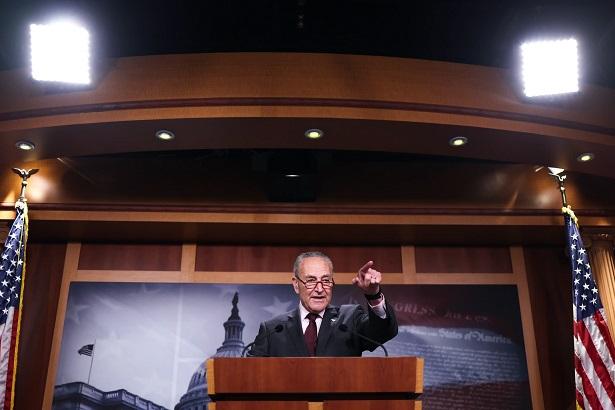
The giant health care, climate, and tax bill expected to pass the House on Friday and be sent to the president for his signature won’t be as sweeping as the Democrats who wrote it had hoped, but it would help millions of Americans better afford their prescription drugs and health insurance.
The Inflation Reduction Act is estimated to spend about $485 billion over 10 years on health and alternative energy programs while raising about $790 billion through tax revenue and savings. The difference would be used to help reduce the deficit.
On the health front, the legislation achieves two key goals of congressional Democrats. First, it would give the federal government the ability to negotiate prices of some drugs purchased by Medicare beneficiaries, a tool that has long been opposed by the drug industry. Second, it would extend the enhanced premium subsidies for people who buy insurance on the Affordable Care Act marketplaces that Congress put in place last year to help confront the covid-19 pandemic.
“It’s historic. Never before have we been able to negotiate prescription drug prices. This is something we’ve been fighting for [for] decades,” House Speaker Nancy Pelosi said this week. “I want more, of course — we always want more. But this is a great deal.”
The bill extends the enhanced subsidies, which will expire this year if they are not continued, through 2025. The 2021 covid relief bill boosted subsidies for those people who had already qualified for the aid and provided subsidies to some middle-income people who had found coverage to be too expensive. According to an analysis by KFF, about 13 million people will see their premiums jump by more than half, on average, if the enhanced subsidies are not continued. And people who earn more than four times the poverty level will not be eligible for subsidies anymore, on top of seeing their premiums spike.
Trending Topics

Features
- Drive Toolkit
Download and distribute powerful vaccination QI resources for your community.
- Health Champions
Sign up now to support health equity and sustainable health outcomes in your community.
- Cancer Early Detection
MCED tests use a simple blood draw to screen for many kinds of cancer at once.
- PR
FYHN is a bridge connecting health information providers to BIPOC communities in a trusted environment.
- Medicare
Discover an honest look at our Medicare system.
- Alliance for Representative Clinical Trials
ARC was launched to create a network of community clinicians to diversify and bring clinical trials to communities of color and other communities that have been underrepresented.
- Reducing Patient Risk
The single most important purpose of our healthcare system is to reduce patient risk for an acute event.
- Victor Mejia
- Subash Kafle
- Subash Kafle