












Opiates, this scourge that kills young people and minorities in the United States

[ad_1]

More than 500,000 people have died by overdose in twenty years in the United States. More specifically, by overdose caused by taking opiates. The country is facing a real health crisis, an epidemic, which is increasingly affecting young people and minorities. These synthetic drugs are thus responsible for the death of 493 American teenagers in 2019, and 1,146 in 2021. In total, the country recorded a record number of deaths last year, with some 107,000 deaths by overdose.

At the origin of the crisis, pharmaceutical companies, in particular Purdue, which has developed powerful painkillers under the name of OxyContin, prescribed in quantity, making patients more and more dependent. “There was irresponsible prescription dispensing for years, but now it’s much more difficult to get them,” he said. 20 minutes Nicole Bacharan, specialist in American society. Today, it is above all another opiate, fentanyl, which is singled out. So how do we explain that the population continues to die from this painkiller drug that is much more difficult to obtain legally?

Prized by cartels

“It’s a drug of choice among young people and in the modest environment, it is extremely addictive”, develops Nicole Bacharan. According to a new study from the Centers for Disease Control and Prevention (CDC), the overdose death rate among black people increased by 44% between 2019 and 2020. The increase was 39% among Native Americans, and 22% among white people. In total, in 2020, the United States recorded more than 91,000 overdose deaths, the majority linked to synthetic opioids, including fentanyl.

It is also a drug of choice for Mexican drug cartels, which manufacture most illegal fentanyl from Chinese products. A good deal for these criminal groups, because the potency of fentanyl means that a smaller dose is enough to fill a pill. A kilogram of pure product, bought for about 12,000 dollars, is transformed into half a million pills, more easily transportable, which can be worth up to 30 dollars each. Last year, the DEA seized almost seven tons of fentanyl – enough to kill the entire American population. Four out of ten pills contained a lethal dose. This drug is 50 times stronger than heroin and 100 times stronger than morphine.

A particularly dangerous drug

Fentanyl is so potent that the difference between living and dying is less than a gram. “It only takes very small amounts for it to become a poison that prevents you from breathing,” Wilson Compton, deputy director of the US National Institute on Drug Addiction, told AFP. “Before, when you were addicted to drugs, you had 5, 10, 15 years to try to overcome the addiction”, abounds Shannon Doyle, mother of a young girl who died of an overdose at 16 years old. “You don’t have that chance anymore. »

To try to stem the problem, the DEA has launched a prevention campaign on the risks of fentanyl, and initiatives are trying to increase the accessibility of naloxone, an antidote that can save a person overdosing. But it could be that the problem is spreading outside the United States.

Can the crisis spread in France?

If the United States is particularly affected, it is because the population has been treated for years with opiates, “people are already conditioned to this drug”, because of the “particularly aggressive methods used to popularize it commented Nicole Bacharan.

In France, 19,500 tablets of this very dreaded opiate were seized in Dax. The previous major seizure of this drug dates back to 2019. Customs officers in Dieppe (Seine-Maritime) then got their hands on 10 kg of fentanyl. However, the French Observatory of Drugs and Addictive Tendencies (OFDT), considers that “there is currently no risk in France of an opioid crisis comparable to that which is taking place in North America”, with less 10 deaths per year in 2020 on French territory.

[ad_2]

Source link

Trending Topics

Features

Download and distribute powerful vaccination QI resources for your community.

Sign up now to support health equity and sustainable health outcomes in your community.

MCED tests use a simple blood draw to screen for many kinds of cancer at once.

FYHN is a bridge connecting health information providers to BIPOC communities in a trusted environment.

Discover an honest look at our Medicare system.

ARC was launched to create a network of community clinicians to diversify and bring clinical trials to communities of color and other communities that have been underrepresented.

The single most important purpose of our healthcare system is to reduce patient risk for an acute event.

Related Posts
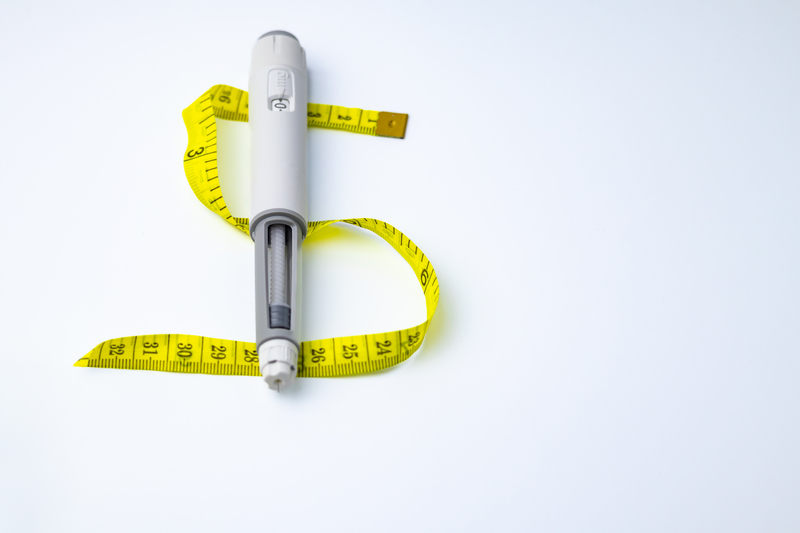
Why Your “Ozempic” May Not Be Ozempic: FDA Warnings Highlight Growing Risks of Unregulated GLP-1 Drugs
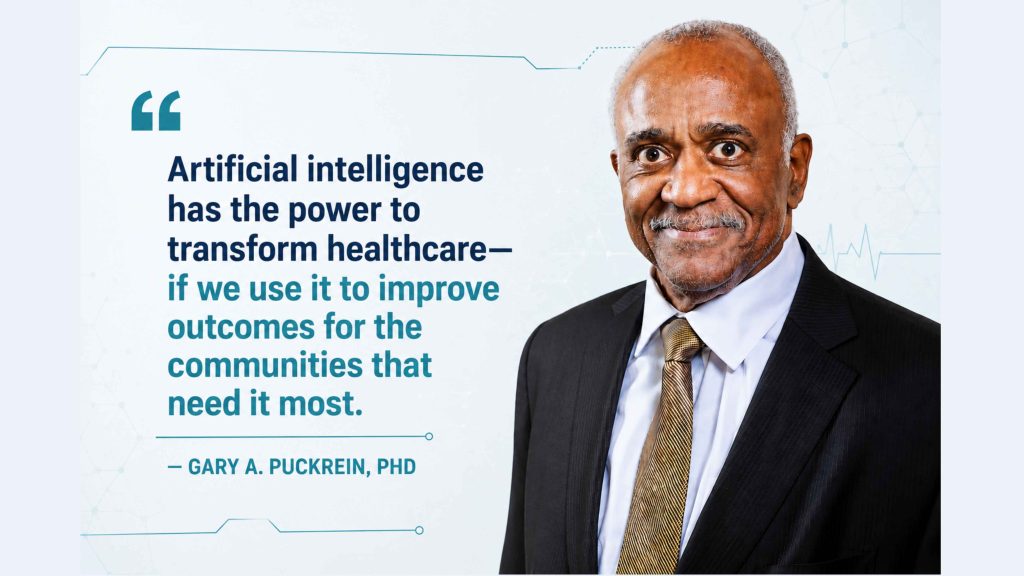
The Communities Most Burdened by Disease Should Be the First to Benefit from Artificial Intelligence
Black and Asian Cancer Patients Wait Longer for Pain Relief in New Study
Scroll to Top
Featured Articles
Why Your “Ozempic” May Not Be Ozempic: FDA Warnings Highlight Growing Risks of Unregulated GLP-1 Drugs
Why Your “Ozempic” May Not Be Ozempic: FDA Warnings Highlight Growing Risks o...
The Communities Most Burdened by Disease Should Be the First to Benefit from Artificial Intelligence
The Communities Most Burdened by Disease Should Be the First to Benefit from ...
Cancer Pain Care Access Gap Hits Black, Asian Patients
Black and Asian Cancer Patients Wait Longer for Pain Relief in New Study
What Is Cyclosporiasis Symptoms, Food Safety, and Reasons
What Is Cyclosporiasis? The Foodborne Illness Showing Up in the News
Why Minority Mental Health Awareness Month Matters More Than Ever
From Childhood Cancer to Alzheimer’s and ALS Celebrity Health Stories Spark National Conversation on Disease, Caregiving, and Equity
From Childhood Cancer to Alzheimer’s and ALS Celebrity Health Stories Spark N...
Categories
AI
ATTR-CM
BIPOC News
Cancer
Clinical Trials
Covid19
Diseases of the Body
Environment
Health Data
Health Equity Events
Health Policy
Health Tips
Subscribe to our newsletter to receive our latest news​
All Stories
Why Your “Ozempic” May Not Be Ozempic: FDA Warnings Highlight Growing Risks of Unregulated GLP-1 Drugs
Why Your “Ozempic” May Not Be Ozempic: FDA Warnings Highlight Growing Risks o...
The Communities Most Burdened by Disease Should Be the First to Benefit from Artificial Intelligence
The Communities Most Burdened by Disease Should Be the First to Benefit from ...
Cancer Pain Care Access Gap Hits Black, Asian Patients
Black and Asian Cancer Patients Wait Longer for Pain Relief in New Study
BIPOC News
The Communities Most Burdened by Disease Should Be the First to Benefit from Artificial Intelligence
The Communities Most Burdened by Disease Should Be the First to Benefit from ...
Why Minority Mental Health Awareness Month Matters More Than Ever
From Childhood Cancer to Alzheimer’s and ALS Celebrity Health Stories Spark National Conversation on Disease, Caregiving, and Equity
From Childhood Cancer to Alzheimer’s and ALS Celebrity Health Stories Spark N...
Environment
UV Safety Awareness Month Raises Urgency on Skin Cancer Prevention and Sun Protection Equity
UV Safety Awareness Month Raises Urgency on Skin Cancer Prevention and Sun Pr...
Extreme Heat Safety Tips 5 Ways to Protect Your Health This Summer fyh.news
5 Heat Safety Tips That Could Protect Your Health This Summer
Lupus Awareness Event in Baltimore Aims to Support Research and Shine a Light on Health Disparities
Lupus Awareness Event in Baltimore Aims to Support Research and Shine a Light...
Work Force
A multigenerational Black and Hispanic family sitting together in a park, showing how Social Security helps support older adults, people with disabilities, and families across generations.
Millions of Older Americans Could Face Smaller Social Security Checks by 2032...
dreamstime_s_243253251
The Caregiver Journey: The Hidden Backbone of American Healthcare
Families gather at a Bronx community festival with live music, kids’ activities, and health booths sharing SOMOS social care resources and free screenings.
Celebrating Hispanic heritage while learning about health care

[xyz-ips snippet=”Output-Source-Name”]

Clinical Trials
Why Your “Ozempic” May Not Be Ozempic: FDA Warnings Highlight Growing Risks of Unregulated GLP-1 Drugs
Why Your “Ozempic” May Not Be Ozempic: FDA Warnings Highlight Growing Risks o...
Clinical Trial Diversity Remains a Critical Challenge in Alzheimer’s Research
Healthcare professional collecting a blood sample from a diverse patient as part of multicancer early detection screening.
Bridging the Gap: How Multicancer Early Detection Can Advance Health Equity i...
Vaccines and Outbreaks
A parent checking a child's temperature during summer, illustrating the changing RSV patterns and year-round respiratory virus risks.
Can You Get RSV During the Summer?
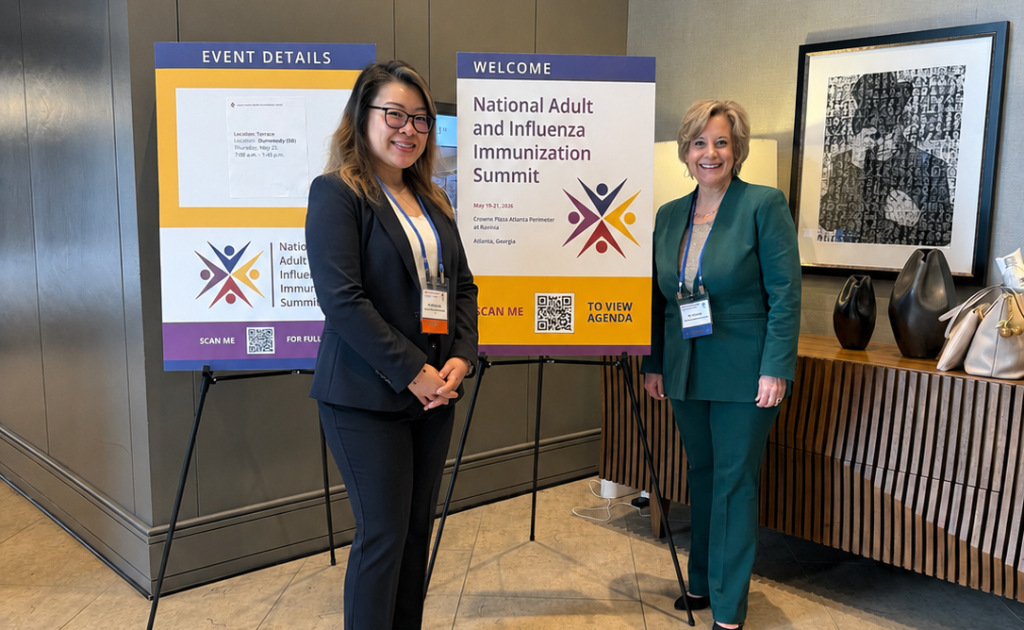
Michelle Lam, MBA, of NYC Health + Hospitals/Elmhurst & Amy Harris of NYC Health + Hospitals/Elmhurst
Healthcare Leaders Spotlight Vaccine Equity and Adult Immunization Strategies...
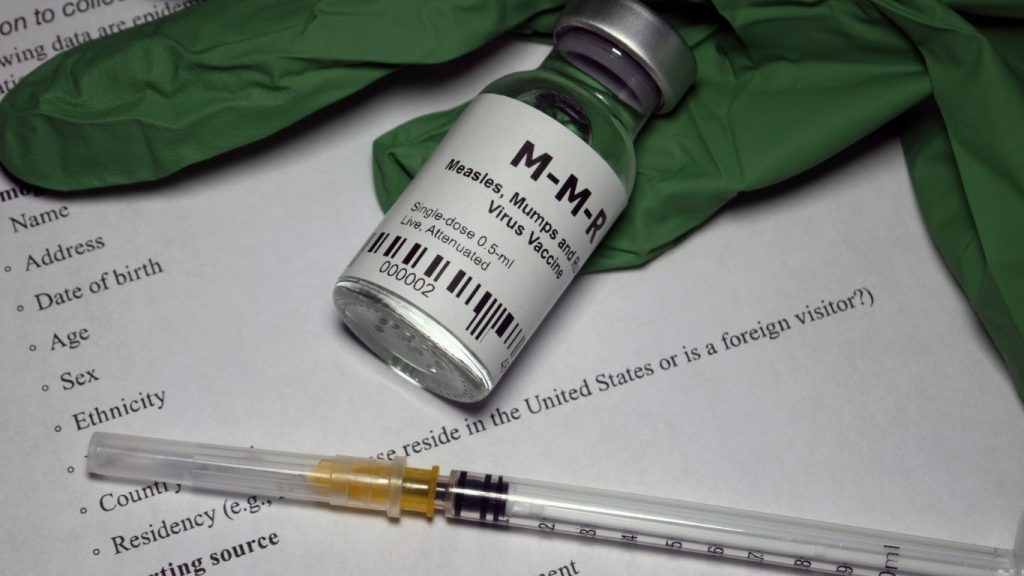
Measles Outbreaks Surge: Essential Facts and Prevention Strategies
Other Categories
AI
Read the latest AI News stories trending around the world
ATTR-CM
Cancer
Read the latest Cancer stories trending around the world
Covid19
Diseases of the Body
Read about the latest Diseases of the Body trending around the world
Friday Webinars
Every Friday, we bring you insightful webinars covering critical topics in healthcare, data equity, and policy reform.
Health Data
Read the latest Health Data stories trending around the world
Health Equity Events
Read the best Health Equity Events around the country.
Health Policy
Read the latest Health Policy stories trending around the world
Health Tips
Heart Health
Read the latest on Heart Health News, Stories and Tips.
kidney Health
Read more trending News about Kidney Health, Stories and Tips.