









[ad_1]
HOW healthy is your heart?
After years of declining rates of heart attacks, experts have warned numbers are on the rise again.

Ischaemic heart disease was the main leading cause of death in private homes in England and Wales between January 2020 and November 2021.
Meanwhile, male deaths were 18 per cent higher than pre-pandemic and female deaths were up 10 per cent.
Obesity and poor lifestyle choices are thought to be to blame.
University of Oxford experts said the most marked increases were in women aged 40 to 49 and men aged 15 to 34.
“We have this vision of an overweight, middle-aged man eating a huge fish and chips then having a heart attack,” explains NHS consultant cardiologist Kevin Fox.
“That is true but heart disease affects both men and women.
“In women, that stereotype doesn’t always fit but they are twice as likely to die from coronary heart disease than breast cancer.
“There are lots of things people can do to protect their hearts though and it goes way beyond not smoking.”
So what can we do to help keep our hearts in good shape?
1. Quit ‘lockdown’ bad habits
Smoking rates had been on a steady decline in the UK – until lockdown that is.
In the first year of the pandemic, sales of cigarettes rose by 7 per cent and tobacco by 36 per cent with 16 to 24-year-olds most likely to start puffing.
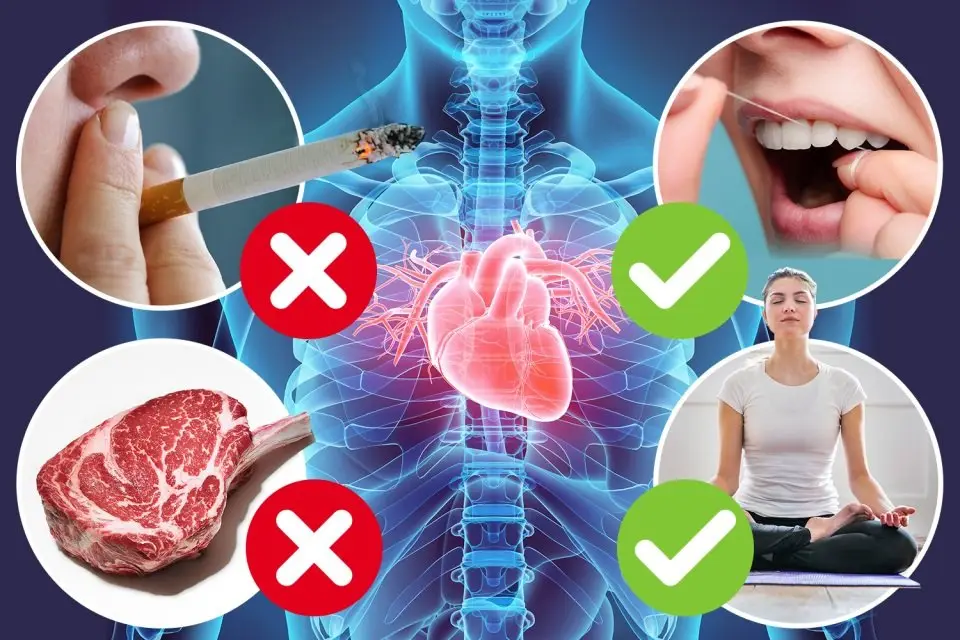
“The best thing you can do to keep your heart healthy is to stop smoking,” Kevin explains.
“If it is a habit you started in lockdown or one you went back to when we were all stuck at home, the best thing you can do is quit.
“There are lots of things you can try from nicotine patches to e-cigarettes. Ask your pharmacist for advice.”
And it’s not just your own habit that could put you at risk – passive smoking can cause heart problems too.
“Being in a smoky environment is bad for you,” Kevin adds. “Encourage those around you to give up too.”
2. Cook from fresh
“Cooking at home using fresh ingredients is very good for you,” Kevin says.
“If you make your own spaghetti bolognese or vegetable soup, it is going to be a lot healthier than one you bought from a supermarket.
“It will contain less salt and less saturated fat.
“There are lots of cookery books and programmes to help you to make food at home relatively easily.
“Wrapping a salmon fillet in foil and putting it in the oven is not going to be much harder than sticking in a piece of breaded cod, but the difference in terms of heart health is significant.”
3. Floss your teeth
“Evidence suggests good dental health can protect against heart disease,” Kevin says.
Bacteria that cause gum disease can travel to blood vessels and valves elsewhere in the body causing inflammation and damage, raising your risk of stroke and coronary heart disease.
Dental bacteria are also a known cause of endocarditis, a potentially fatal infection of the inner lining of the heart.
“You can reduce your risk by brushing twice a day with a fluoride toothpaste and flossing daily,” Kevin says.
If you see blood on your toothbrush or while brushing your teeth you may have gum disease. See your dentist.
4. Get out of breath
Regular exercise is vital for protecting the heart.
“Thirty minutes of exercise a day is still a good rule of thumb,” Kevin explains. “There doesn’t need to be a huge heap of sweat on the floor at the end of it, but you should get a bit out of breath and feel tired at the end of it.
“The heart is a muscle and like any other, it benefits from exercise.”
Exercising will make your heart and blood circulatory system more efficient, lower your cholesterol level and keep your blood pressure healthy.
“If you get an appetite after exercising that is fine,” Kevin explains.
“Have a cereal bar or a bowl of homemade muesli, that’s fine.
“Maybe avoid the Mars Bar or other high fat and sugar snacks.”
Heart attack: Know the signs
NOT sure on the symptoms of heart attack? These are the key ones to be aware of:
- Chest pain or discomfort in your chest that suddenly occurs and doesn’t go away
- The pain may spread to your left or right arm or your neck, jaw, back or stomach
- You may also feel sick, sweaty, light-headed or short of breath
- Excessive coughing or wheezing is a less common symptom due to build up of fluid in the lungs
- A sudden feeling of anxiety that can feel similar to a panic attack
- Pain levels can vary with some experiencing severe pain in their chest whilst others just feel uncomfortable or pain similar to indigestion.
5. Take desk breaks
If you struggle to fit in your 30 minutes of exercise a day, any movement no matter how small is good for the heart.
“This could simply be getting up every hour from your desk and having a walk around the office,” Kevin explains.
“It can be hard to fit in exercise when you have a job and a family so now people are going back to work, there is a danger we could become more sedentary.
“Get up, walk around the office. Any movement is better than nothing.”
6. Check food labels
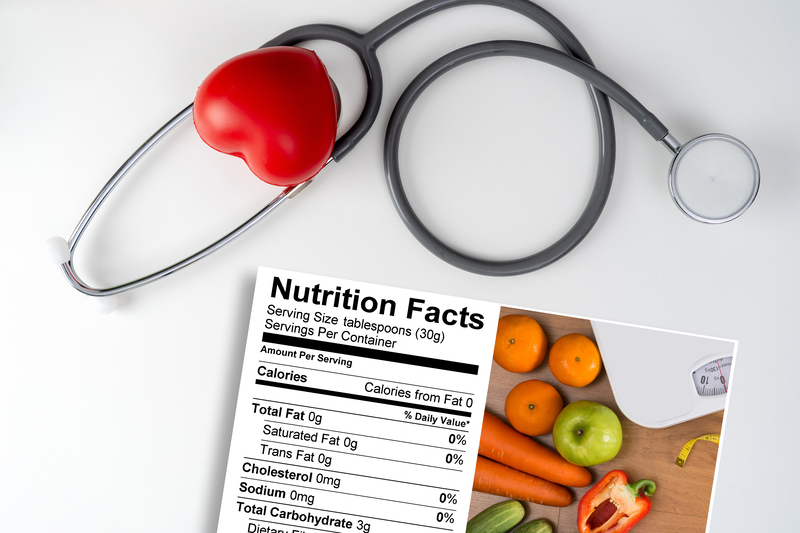
“Salt remains important and not adding too much salt to meals is better for your heart,” Kevin says.
“Processed food often contains a lot of salt as it adds flavour.
“That said, many manufacturers have made efforts to reduce the amount of salt in their foods.
“You can get low sugar and low salt versions of everything from tomato sauce, soup and baked beans.
“If you are buying these foods, read the packets and look for the lower salt and healthier options.
“Not all ready meals were created equal. If you do buy them, choose ones which are better for you.
“It’s a small change that could have a big difference to your heart health overall.”
7. Manage stress
Stress alone won’t cause heart disease but it can be linked to unhealthy habits that increase your risk such as comfort eating.
“You have to find a way of managing stress and anxiety that works for you,” Kevin says.
“For some people that might be going out to exercise.
“For others it might be reading a book, meditation, yoga or having a bath.
“One size doesn’t fit all, you have to find what works for you.
“Learn to recognise the signs of stress, such as irritation and disrupted sleep, so you can manage it properly.”
8. Limit red meat
“The phrase ‘you are what you eat’ is very true,” Kevin says.
“You don’t have to be vegetarian to have a healthy heart but if you are eating steak every day for lunch and dinner that is not good.
“How many times you can eat red meat will vary depending on the portion size but if you’re having a modest serving, two or three times a week, you are on the right track.”
9. Take a nap
Enjoying a daytime nap two or three times a week may lower the risk of heart attack or stroke by as much as 48 per cent, according to a study published in the BMJ.
And researchers from the Onassis Cardiac Surgery Centre found that those who sleep for six to eight hours a night have a lower risk of coronary heart disease.
“Scientists are not exactly sure why sleep benefits the heart, but we do know getting a good night’s kip benefits cardiovascular health,” Kevin says.
Some researchers have suggested people are more likely to snack on sugary foods if they are tired but those who have disturbed nights sometimes show signs of inflammation, the process linked with heart and circulatory disease.
10. Battle the bulge
“We know obesity is bad not only for your heart but, as Covid has taught us, for your health in general,” Kevin explains.
“Being obese is a life-threatening condition. If fat is distributed around your waist, this seems to be even worse for your heart than if you have fat more evenly distributed around the body.
“Those with big pot bellies are more at risk.”
Eating the right foods and exercise will help you shift those unwanted pounds around the midriff.
“It’s about eating the right foods,” Kevin says.
“You should eat lots of fresh fruit and veg, foods with fibre and make sure you are getting your five a day.
“There are good oils and bad fats.
“The bad fats are the ones you should avoid and are often found in processed and fried foods such as microwave curries or takeaways.
“If you have a salad, pour out as much olive oil dressing as you like.
“The Mediterranean way of eating is best for the heart.”
11. Get help
During the first lockdown, daily admissions for heart attacks or heart failure fell by more than 50 per cent.
“A lot of people have not been coming forward for help as they fear the NHS is overloaded,” Kevin says.
“We’ve all seen the cancer statistics but it is also true with heart disease.
“If you think you are having a heart attack or symptoms are worsening, don’t be put off because you think the health service is too busy. Seek help.
“You should also access health services if you think you might be at risk, if close family members have had heart trouble for instance.
“There are lots of ways of getting help and it could be a pharmacist, a practice nurse or your GP.
“Score charts can assess your risk by looking at your cholesterol, blood pressure and weight.
“Increasingly, this can be done with pharmacists rather than having to book a GP appointment.
“Burying your head in the sand is not going to help.”

Kevin says to remember that the NHS is open and there for you – don’t hesitate if you have any symptoms of heart attack or are due a check up[/caption]
[ad_2]
Source link