











Latinos in Rural Communities are Facing Food Insecurity at Disproportionate Rates. Why?

[ad_1]

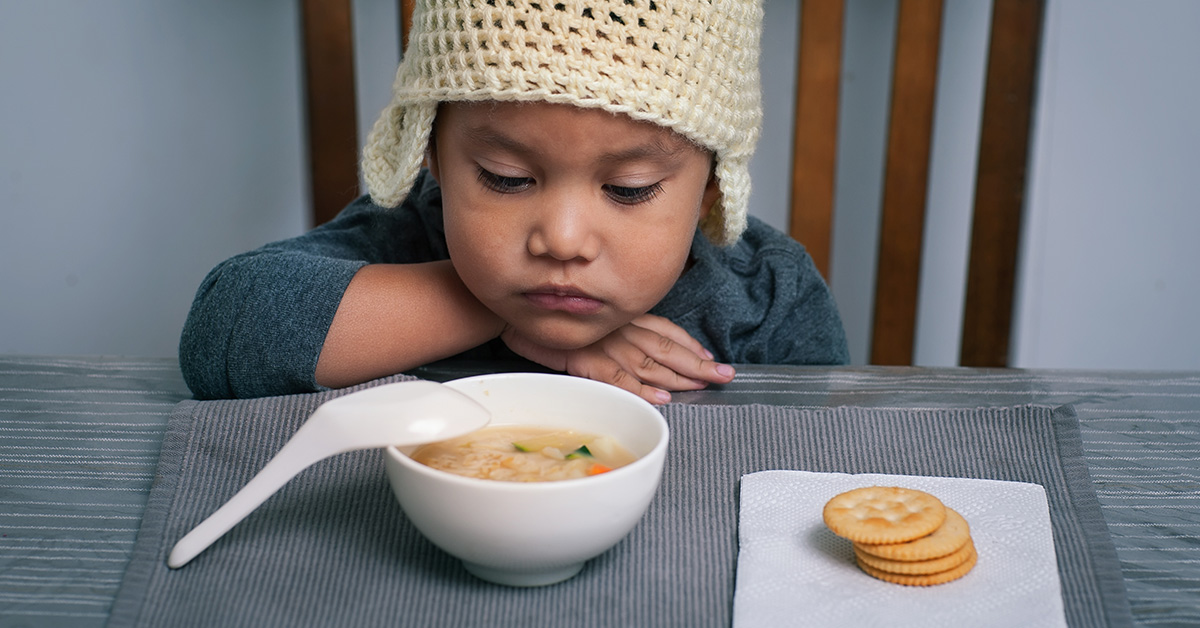
38 million people in the United States were living in food insecure households in 2020. Latino households made up 17% of them. 

In an effort to generate a more comprehensive understanding of Latinos in rural communities, UnidosUS and the California State University, Long Beach (CSULB) Center for Latino Community Health Evaluation and Leadership Training conducted a robust study to evaluate various factors related to food insecurity* among Latinos in rural communities. This work was made possible thanks to a generous grant from Knorr®. Researchers conducted a thorough needs-assessment through focus groups, in-depth interviews, and surveys of community members and leaders of community-based organizations (CBOs) in various rural communities throughout the United States. 

FOOD INSECURITY AMONG LATINOS IN RURAL COMMUNITIES 

The results of the study demonstrated that Latinos in rural communities are indeed facing significant food insecurity and that because of their remote locations, the food they do have access to is often unhealthy and not fresh. 75% of the community members surveyed agreed that the statement “I’ve worried that food would run out before having enough money to buy more” was either always or sometimes true.  

After analyzing the participants’ answers and the results of the study, the researchers found 11 themes related to the root causes and exacerbating factors of food insecurity among Latinos in rural communities. In order to effectively remedy this issue moving forward, each of these themes must be properly examined and addressed:  

  1. Food access [or a lack thereof] due to barriers such as far distances to grocery stores, high cost of fresh foods at these stores, and little to no availability of fresh food at local convenience stores and food trucks. 
  2. Cultural influences which influence Latinos’ eating habits and the type of meals prepared at home.
  3. Family influences and intergenerational differences in the types of food that are preferred by various members of the family; for example, while foreign-born and first-generation Latinos typically prefer traditional cultural foods, second-generation Latinos typically lean toward different foods. When there are children in the home, family members have to ensure that the children will eat the food they are served.
  4. Nutrition and health knowledge which affects the types of food and diets people choose.
  5. COVID-19’s impact on community leaders and CBOs’ ability to properly serve their community. 
  6. Existing nutrition education programming and their successes, such as collaborating with community health workers; offering education programs in Spanish; and incorporating culturally relevant foods and cooking demonstrations, as well as their shortcomings, such as limits in funding; resources; and staffing in CBOs serving Latinos.
  7. Access to and enrollment in federal assistance programs which is particularly low among Latinos due to various barriers such as a lack of knowledge about eligibility, fear surrounding undocumented status for people in mixed-status families, complex and confusing application processes, stigma, and discrimination. 
  8. Need for tailored nutrition programming that is culturally relevant and inclusive of traditional foods and is cognizant of the barriers to food access for those living in rural areas. 
  9. Virtual nutrition education programming as a feasible strategy to provide access to nutrition knowledge. The virtual strategy was widely implemented as a result of the public health emergency that emerged from the COVID-19 pandemic, but it should be made permanent given the barriers to in-person programming.
  10. Strategies to increase food security that include redesigning and enhancing infrastructure in food distribution and access, such as increased collaboration between churches and food pantries, adding more grocery stores with lower food prices, and a reduction in the availability of fast-food restaurants in their communities.
  11. Latino cultural wealth which is described as the observed social capital, resiliency, and optimism that Latinos possess despite the challenges and barriers they face related to food insecurity. 

“Bueno, nos decimos que, por lo menos, con estas provisiones pasaremos la semana. Y la semana que viene. veremos qué podemos hacer.” – Anonymous study participant and community member  

LOOKING AHEAD  

UnidosUS and Knorr believe that wholesome, nutritious food should be accessible and affordable to all, regardless of where they live. Conducting this study allowed us to better understand the needs of Latinos living in rural communities and the impact of food insecurity on their communities. As a result, we have proposed policy and programmatic recommendations that we believe would increase food security and significantly benefit Latinos living in rural communities.  

Our programmatic recommendations are:  

  1. Strengthen nutrition education considering and respecting the context of Latinos living in rural communities. 
  2. Improve nutrition-related programming to increase engagement. 
  3. Offer other options to receive nutrition education (such as through videoconferencing platforms) to address disparities related to access. 

Our policy recommendations are:  

  1. Improve food security and food access for all Latinos. 
  2. Increase access and enrollment to federal nutrition assistance programs. 
  3. Expand food access and address barriers due to the built environment of those living in rural communities. 
  4. Strengthen funding allocation to improve food security outcomes.

Read the full report here to learn more about each of these recommendations and why we put them forth. 

*Food insecurity is defined as having inconsistent access to adequate food at some point in the year due to lack of resources. 

[ad_2]

Source link
Trending Topics

Features

Download and distribute powerful vaccination QI resources for your community.

Sign up now to support health equity and sustainable health outcomes in your community.

MCED tests use a simple blood draw to screen for many kinds of cancer at once.

FYHN is a bridge connecting health information providers to BIPOC communities in a trusted environment.

Discover an honest look at our Medicare system.

ARC was launched to create a network of community clinicians to diversify and bring clinical trials to communities of color and other communities that have been underrepresented.

The single most important purpose of our healthcare system is to reduce patient risk for an acute event.

Related Posts
The Communities Most Burdened by Disease Should Be the First to Benefit from Artificial Intelligence
Black and Asian Cancer Patients Wait Longer for Pain Relief in New Study
What Is Cyclosporiasis? The Foodborne Illness Showing Up in the News
Scroll to Top
Featured Articles
The Communities Most Burdened by Disease Should Be the First to Benefit from Artificial Intelligence
The Communities Most Burdened by Disease Should Be the First to Benefit from ...
Cancer Pain Care Access Gap Hits Black, Asian Patients
Black and Asian Cancer Patients Wait Longer for Pain Relief in New Study
What Is Cyclosporiasis Symptoms, Food Safety, and Reasons
What Is Cyclosporiasis? The Foodborne Illness Showing Up in the News
Why Minority Mental Health Awareness Month Matters More Than Ever
From Childhood Cancer to Alzheimer’s and ALS Celebrity Health Stories Spark National Conversation on Disease, Caregiving, and Equity
From Childhood Cancer to Alzheimer’s and ALS Celebrity Health Stories Spark N...
Learn How NMQF Is Transforming Early Disease Detection in Flint
Categories
AI
ATTR-CM
BIPOC News
Cancer
Clinical Trials
Covid19
Diseases of the Body
Environment
Health Data
Health Equity Events
Health Policy
Health Tips
Subscribe to our newsletter to receive our latest news​
All Stories
The Communities Most Burdened by Disease Should Be the First to Benefit from Artificial Intelligence
The Communities Most Burdened by Disease Should Be the First to Benefit from ...
Cancer Pain Care Access Gap Hits Black, Asian Patients
Black and Asian Cancer Patients Wait Longer for Pain Relief in New Study
What Is Cyclosporiasis Symptoms, Food Safety, and Reasons
What Is Cyclosporiasis? The Foodborne Illness Showing Up in the News
BIPOC News
The Communities Most Burdened by Disease Should Be the First to Benefit from Artificial Intelligence
The Communities Most Burdened by Disease Should Be the First to Benefit from ...
Why Minority Mental Health Awareness Month Matters More Than Ever
From Childhood Cancer to Alzheimer’s and ALS Celebrity Health Stories Spark National Conversation on Disease, Caregiving, and Equity
From Childhood Cancer to Alzheimer’s and ALS Celebrity Health Stories Spark N...
Environment
UV Safety Awareness Month Raises Urgency on Skin Cancer Prevention and Sun Protection Equity
UV Safety Awareness Month Raises Urgency on Skin Cancer Prevention and Sun Pr...
Extreme Heat Safety Tips 5 Ways to Protect Your Health This Summer fyh.news
5 Heat Safety Tips That Could Protect Your Health This Summer
Lupus Awareness Event in Baltimore Aims to Support Research and Shine a Light on Health Disparities
Lupus Awareness Event in Baltimore Aims to Support Research and Shine a Light...
Work Force
A multigenerational Black and Hispanic family sitting together in a park, showing how Social Security helps support older adults, people with disabilities, and families across generations.
Millions of Older Americans Could Face Smaller Social Security Checks by 2032...
dreamstime_s_243253251
The Caregiver Journey: The Hidden Backbone of American Healthcare
Families gather at a Bronx community festival with live music, kids’ activities, and health booths sharing SOMOS social care resources and free screenings.
Celebrating Hispanic heritage while learning about health care

[xyz-ips snippet=”Output-Source-Name”]

Clinical Trials
Clinical Trial Diversity Remains a Critical Challenge in Alzheimer’s Research
Healthcare professional collecting a blood sample from a diverse patient as part of multicancer early detection screening.
Bridging the Gap: How Multicancer Early Detection Can Advance Health Equity i...
dreamstime_s_174488289
PCOS to PMOS: Why the 2026 Name Change Matters for Women’s Health

[xyz-ips snippet=”Output-Source-Name”]

Vaccines and Outbreaks
A parent checking a child's temperature during summer, illustrating the changing RSV patterns and year-round respiratory virus risks.
Can You Get RSV During the Summer?
Michelle Lam, MBA, of NYC Health + Hospitals/Elmhurst & Amy Harris of NYC Health + Hospitals/Elmhurst
Healthcare Leaders Spotlight Vaccine Equity and Adult Immunization Strategies...
Measles Outbreaks Surge: Essential Facts and Prevention Strategies
Other Categories
AI
Read the latest AI News stories trending around the world
ATTR-CM
Cancer
Read the latest Cancer stories trending around the world
Covid19
Diseases of the Body
Read about the latest Diseases of the Body trending around the world
Friday Webinars
Every Friday, we bring you insightful webinars covering critical topics in healthcare, data equity, and policy reform.
Health Data
Read the latest Health Data stories trending around the world
Health Equity Events
Read the best Health Equity Events around the country.
Health Policy
Read the latest Health Policy stories trending around the world
Health Tips
Heart Health
Read the latest on Heart Health News, Stories and Tips.
kidney Health
Read more trending News about Kidney Health, Stories and Tips.