











UW partners with local organizations representing Black, Latinx voices in environmental conservation for research initiative · The Badger Herald

[ad_1]

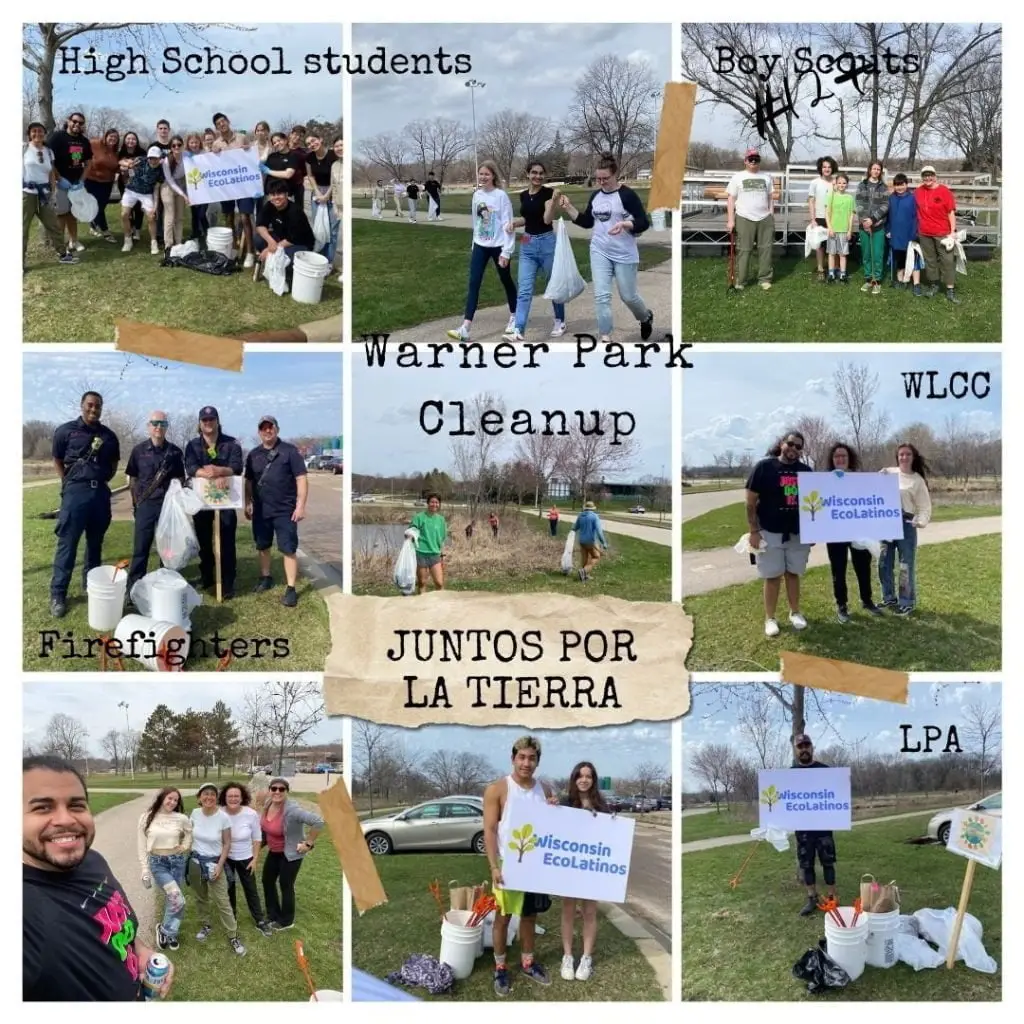
Wisconsin EcoLatinos and Urban Triage, partnered with the University of Wisconsin Life Sciences Communication Department and assistant professor Kaiping Chen for a new project aimed at involving communities of color in the decision-making process for developing new environmental conservation solutions. The project brings the community, city and official offices together to listen to the needs of communities of color and determine how it can create solutions based on those needs.

Wisconsin EcoLatinos is a nonprofit involved in environmental conservation and serves communities in Dane and Rock County. The nonprofit was founded by current executive director Cristina Carvajal two years ago. Carvajal said she created the organization because she did not witness enough leadership from the Latino community in the environmental conservation field.

Like Wisconsin EcoLatinos, Urban Triage also stands for environmental justice and conservation, particularly working to represent Black voices in the community.

Agriculture department lead for Urban Triage Cooper Talbot said in an email statement to The Badger Herald that the mission of Urban Triage is to support healthy Black families.

“We too believe that it is necessary to study the broad range of science communication issues critical to the future of our state, nation and global community,” Talbot said. “Environmental integrity and instilling this in our youth and community members will empower and strengthen our leaders of tomorrow.”

Second-year LSC Ph.D. student Isabel Villaneuva, a member of Chen’s research team on this project, said bringing together individuals from all over Madison’s community allows their voices to be heard when it’s easy to get drowned out.

Third-year LSC Ph.D. student on the research team Amanda Molder said the partnership between researchers and Wisconsin EcoLatinos and Urban Triage formed because of UniverCity Alliance and UW South Madison Partnership.
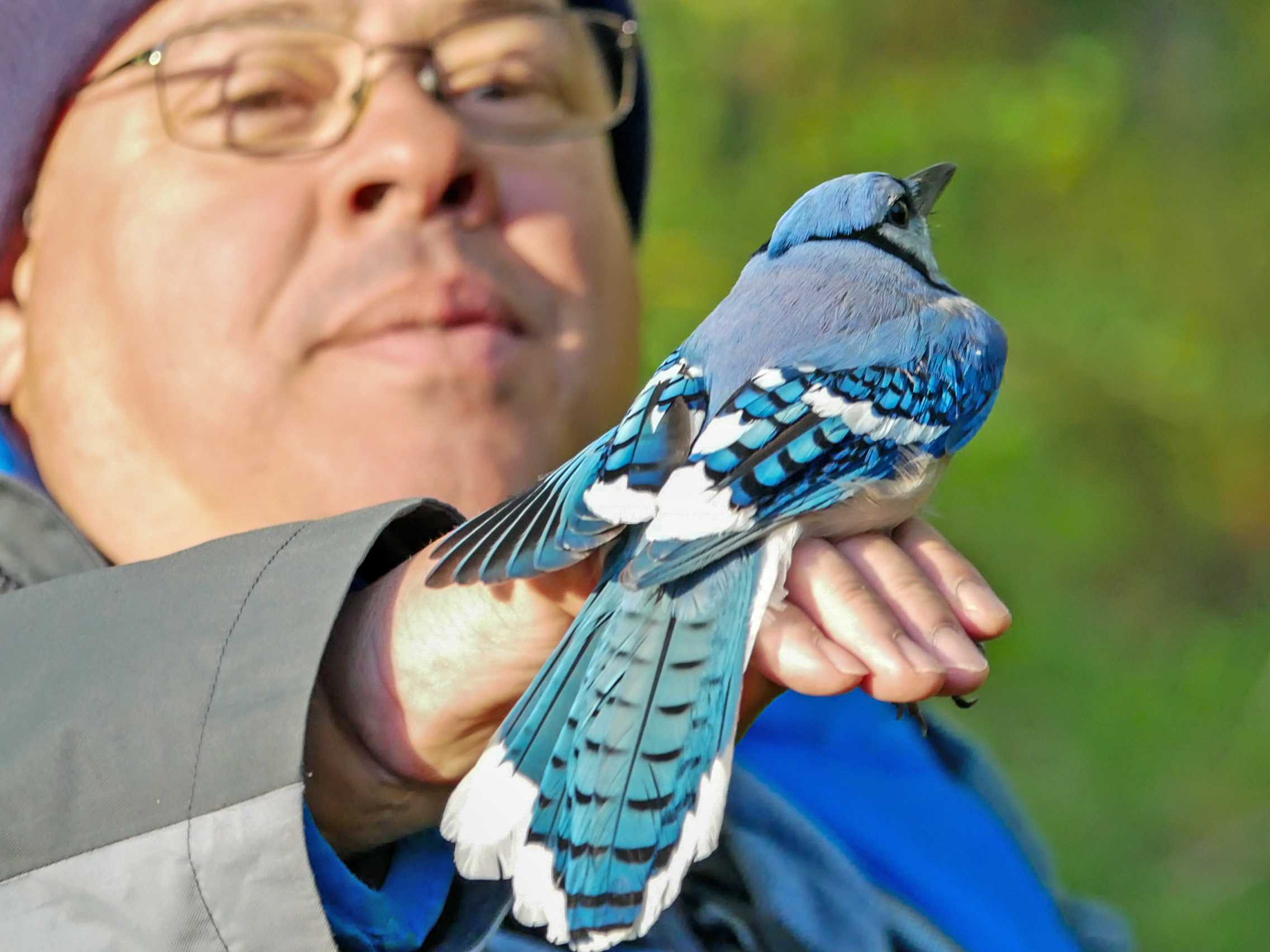
Finding community in ‘The BIPOC Birding Club of Wisconsin’While birding on Juneteenth in 2021, birders Jeff Galligan and Dexter Patterson began discussing about how many birding spaces don’t Read…

“We partnered with the UniverCity Alliance … they bridge UW-Madison academics to community and civic partners,” Molder said. “They work in the middle to help facilitate these relationships and connections.”

Bridging the gap between academics and the community was a very important factor in the research, Molder said. Building this connection ensured that the community members and their interests are best served and at heart.

In October 2022, the research group hosted separate events for both Wisconsin EcoLatinos and Urban Triage, Villanueva said. The events followed the same process — a pre-survey, icebreaker, breakout sessions to discuss topics such as energy efficiency, extreme heat and tree canopies and an exit survey, Villanueva said.

Villanueva said the purpose of the pre- and post-survey was to gauge what participants learned over the course of the event, their general awareness of the topics and what solutions they are aware of.

“We measured it before and after the event, and we saw a really significant increase in the number of topics people were just aware of after the event … and now they’re learning,” Villanueva said.
The Loka Initiative: What climate scientists can learn from religionDekila Chungyalpa found success merging faith and conservation in the Himalayas. While there, she realized the environmental conservation movement should Read…

Though learning is occurring, Villanueva said this is just the beginning of the project. It’s about what the researchers can do and what solutions they can create with that new knowledge in the following steps.

Both discussions were also designed to be as accessible and inclusive as possible to the community, Villanueva and Molder said. The research group provided childcare, meals and compensation for all participants who joined the event.

Another aspect of the study that made it more accessible and unlike others was the mode used for participant recruitment.

“A lot of the recruitment methods were in-person and conducted by our two NGO partners Wisconsin EcoLatinos and Urban Triage because we wanted to reach people that might not be digitally connected,” Molder said. “A lot of social science research tends to be conducted online, so it’s often missing a large portion of people,” Molder said.

Villanueva said she, Chen and Molder presented their findings to Dane County and city officials Jan. 31. They discussed what their research has found so far regarding what changes to energy conservation the community says it wants and what it’s interested in, Molder said.

From Sheldon to Shuri: Changing portrayals of scientists in mediaThe public’s regard for scientists in media has changed since before the COVID-19 pandemic, according to professor in the University Read…

Following the presentation, Molder said it is now up to the city of Madison and Dane County officials to think about what responses and resources they will provide back to these communities.

“So it’s a really ongoing, iterative process,” Molder said. “We don’t think or believe one deliberation event is going to change everything — it’s more about building relationships and sustaining engagement long term.”

The next phase of the project, Molder said, involves working with The Information School assistant professor Corey Jackson.

In an email response to The Badger Herald, Jackson said his part of the project involves scaling up the in-person deliberations to capture even more voices of Dane County residents.

“I’ll be leading the launch of a website that will allow us to involve more people in discussions about environmental policies,” Jackson said. “The platform will support civic engagement through many types of interactions.”

For example, Jackson said one of the stakeholders is Tree Canopy, which seeks to maintain, protect and expand the tree canopy across Dane County. The website will allow residents to mark where they think Tree Canopy should plant trees.
The Lab Report: How past life could predict otherworldly lifeEditor’s Note: Every week, The Lab Report takes a deep dive into the (research) lives of students and professors outside Read…

Jackson said a big part of phase two of the research project is figuring out where Black and Brown people of Dane County fit into shaping environmental policies.

“There has not been a ton of research designing civic engagement platforms that centers Black and Brown people,” Jackson said. “Our goal is to center this population in the design. This means understanding what types of interactions folks are more interested in taking part in on the website … This is an open question.”

Since the project is long-term and ongoing, Villanueva said they haven’t seen the results just yet.

But for the community partners, especially Wisconsin EcoLatinos, there have been noticeable positive changes in attitude along the way.

“[It’s empowering] being able to pass the message that we are delivering — we need to take action, [and] everyone can take action to improve our environment and also mitigate climate change,” Carvajal said. “So for us, it’s fulfilling our mission as an organization to be able to engage people and see their positive reaction towards taking action and preparing for climate adaptation.”

[ad_2]

Source link
Trending Topics

Features

Download and distribute powerful vaccination QI resources for your community.

Sign up now to support health equity and sustainable health outcomes in your community.

MCED tests use a simple blood draw to screen for many kinds of cancer at once.

FYHN is a bridge connecting health information providers to BIPOC communities in a trusted environment.

Discover an honest look at our Medicare system.

ARC was launched to create a network of community clinicians to diversify and bring clinical trials to communities of color and other communities that have been underrepresented.

The single most important purpose of our healthcare system is to reduce patient risk for an acute event.

Related Posts
The Communities Most Burdened by Disease Should Be the First to Benefit from Artificial Intelligence
Black and Asian Cancer Patients Wait Longer for Pain Relief in New Study
What Is Cyclosporiasis? The Foodborne Illness Showing Up in the News
Scroll to Top
Featured Articles
The Communities Most Burdened by Disease Should Be the First to Benefit from Artificial Intelligence
The Communities Most Burdened by Disease Should Be the First to Benefit from ...
Cancer Pain Care Access Gap Hits Black, Asian Patients
Black and Asian Cancer Patients Wait Longer for Pain Relief in New Study
What Is Cyclosporiasis Symptoms, Food Safety, and Reasons
What Is Cyclosporiasis? The Foodborne Illness Showing Up in the News
Why Minority Mental Health Awareness Month Matters More Than Ever
From Childhood Cancer to Alzheimer’s and ALS Celebrity Health Stories Spark National Conversation on Disease, Caregiving, and Equity
From Childhood Cancer to Alzheimer’s and ALS Celebrity Health Stories Spark N...
Learn How NMQF Is Transforming Early Disease Detection in Flint
Categories
AI
ATTR-CM
BIPOC News
Cancer
Clinical Trials
Covid19
Diseases of the Body
Environment
Health Data
Health Equity Events
Health Policy
Health Tips
Subscribe to our newsletter to receive our latest news​
All Stories
The Communities Most Burdened by Disease Should Be the First to Benefit from Artificial Intelligence
The Communities Most Burdened by Disease Should Be the First to Benefit from ...
Cancer Pain Care Access Gap Hits Black, Asian Patients
Black and Asian Cancer Patients Wait Longer for Pain Relief in New Study
What Is Cyclosporiasis Symptoms, Food Safety, and Reasons
What Is Cyclosporiasis? The Foodborne Illness Showing Up in the News
BIPOC News
The Communities Most Burdened by Disease Should Be the First to Benefit from Artificial Intelligence
The Communities Most Burdened by Disease Should Be the First to Benefit from ...
Why Minority Mental Health Awareness Month Matters More Than Ever
From Childhood Cancer to Alzheimer’s and ALS Celebrity Health Stories Spark National Conversation on Disease, Caregiving, and Equity
From Childhood Cancer to Alzheimer’s and ALS Celebrity Health Stories Spark N...
Environment
UV Safety Awareness Month Raises Urgency on Skin Cancer Prevention and Sun Protection Equity
UV Safety Awareness Month Raises Urgency on Skin Cancer Prevention and Sun Pr...
Extreme Heat Safety Tips 5 Ways to Protect Your Health This Summer fyh.news
5 Heat Safety Tips That Could Protect Your Health This Summer
Lupus Awareness Event in Baltimore Aims to Support Research and Shine a Light on Health Disparities
Lupus Awareness Event in Baltimore Aims to Support Research and Shine a Light...
Work Force
A multigenerational Black and Hispanic family sitting together in a park, showing how Social Security helps support older adults, people with disabilities, and families across generations.
Millions of Older Americans Could Face Smaller Social Security Checks by 2032...
dreamstime_s_243253251
The Caregiver Journey: The Hidden Backbone of American Healthcare
Families gather at a Bronx community festival with live music, kids’ activities, and health booths sharing SOMOS social care resources and free screenings.
Celebrating Hispanic heritage while learning about health care

[xyz-ips snippet=”Output-Source-Name”]

Clinical Trials
Clinical Trial Diversity Remains a Critical Challenge in Alzheimer’s Research
Healthcare professional collecting a blood sample from a diverse patient as part of multicancer early detection screening.
Bridging the Gap: How Multicancer Early Detection Can Advance Health Equity i...
dreamstime_s_174488289
PCOS to PMOS: Why the 2026 Name Change Matters for Women’s Health

[xyz-ips snippet=”Output-Source-Name”]

Vaccines and Outbreaks
A parent checking a child's temperature during summer, illustrating the changing RSV patterns and year-round respiratory virus risks.
Can You Get RSV During the Summer?
Michelle Lam, MBA, of NYC Health + Hospitals/Elmhurst & Amy Harris of NYC Health + Hospitals/Elmhurst
Healthcare Leaders Spotlight Vaccine Equity and Adult Immunization Strategies...
Measles Outbreaks Surge: Essential Facts and Prevention Strategies
Other Categories
AI
Read the latest AI News stories trending around the world
ATTR-CM
Cancer
Read the latest Cancer stories trending around the world
Covid19
Diseases of the Body
Read about the latest Diseases of the Body trending around the world
Friday Webinars
Every Friday, we bring you insightful webinars covering critical topics in healthcare, data equity, and policy reform.
Health Data
Read the latest Health Data stories trending around the world
Health Equity Events
Read the best Health Equity Events around the country.
Health Policy
Read the latest Health Policy stories trending around the world
Health Tips
Heart Health
Read the latest on Heart Health News, Stories and Tips.
kidney Health
Read more trending News about Kidney Health, Stories and Tips.