










COVID-19 vaccine hesitancy remains higher among people of color

[ad_1]

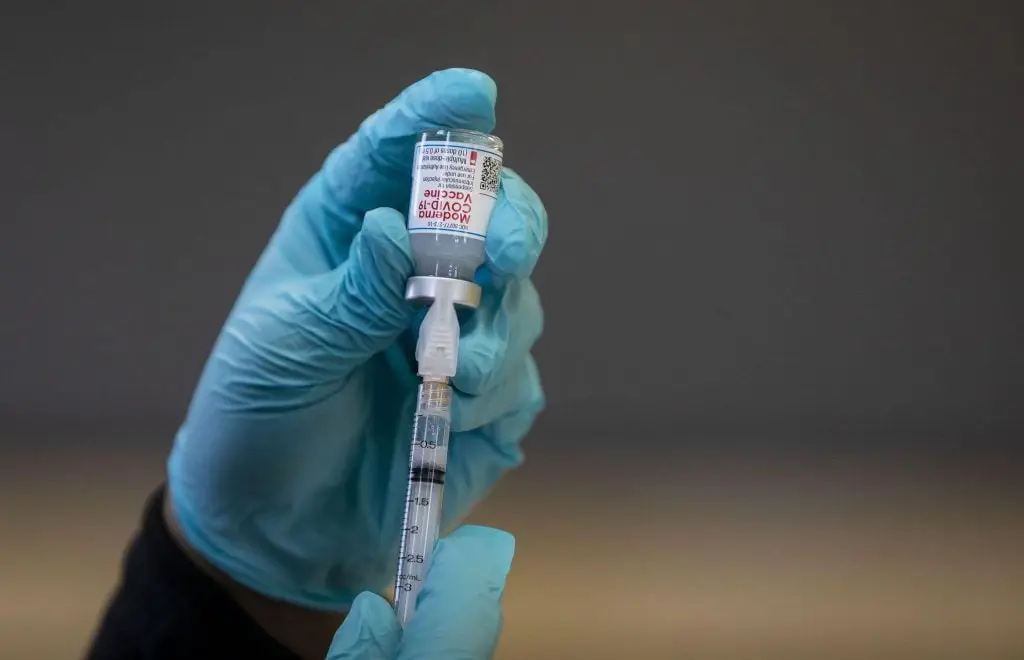
Connecticut’s Black and Hispanic residents continue to lag behind white residents in receiving COVID-19 vaccinations, one of many inequities to come out of the pandemic.

Just over 73 percent of the state’s white population has received the two shot vaccine series, compared to 65.2 percent of Hispanic residents and 56.8 percent of Black people, the latest state numbers show.

The coronavirus has been more deadly for Connecticut’s Black and Hispanic residents than white citizens. The most recent age-adjusted data shows that twice as many Black residents died from COVID as white residents and Hispanic residents died at a slightly lower rate than Black residents.

Experts say the reasons are partly rooted in hard to solve social issues, such as a lack of equal access to medical care for poorer residents, working jobs that could not be performed at home, long-standing distrust of vaccines and widespread misinformation about COVID.

“COVID is illuminating a lot of inequalities,” said Tiffany Donaldson, president of the Connecticut Health Foundation. “Economics, living conditions — all the gaps we knew existed — COVID brought to light. We have to take in consideration the historical distrust and treatment of Black Americans and people of color with the health system. The experience of Black Americans in particular with the health system has not always been positive.”

Donaldson added that people of color often worked jobs that could not be performed at home, which left them more exposed to the virus.

“When the vaccine rolled out, and with COVID testing, there were (centers) where you had to drive up,” Donaldson noted. “Our foundation responded with walk-in service.”

Age disparity

Numbers compiled by the state show that vaccination rates vary greatly between age groups, with younger people less likely to get the shot than older residents.

For example, 78 percent of white residents between 16 and 24 years old received at least one shot; 80.59 percent for Hispanic residents and 63 percent for Black residents.

The percentages rise for older residents: 88 percent of white residents 75 years old and older received at least one shot; 95 percent of Hispanic residents; and 75 percent of Black residents.

State Sen. Marilyn Moore, D-Bridgeport, said the age differential is not surprising.

“They think they are invulnerable,” Moore said of younger people. “I don’t think there is hesitancy about the vaccine. Younger people are much healthier. They are at the gym, there are more vegetarians, their diets are different than ours. That’s reflective in why they are not getting a vaccination.”

But Moore said the disparity is also rooted in the state’s health care system.

“Some of it’s trust and some is access,” Moore said. “I had to fight with the Department of Public Health to come to Bridgeport. I told them ‘don’t wait and ask us to do testing after you have been everywhere else. Don’t make us an afterthought.’”

Some Black community leaders pointed to the 1932 syphilis study in Tuskegee, Ala., as the modern beginning of the mistrust they believe is partly responsible for lower vaccine numbers.

The Tuskegee study looked at the impact of untreated syphilis on 600 Black men, none of whom were told medical treatment would be withheld. The result was deadly: 28 participants died and 100 more died from related complications. At least 40 spouses were diagnosed with syphilis and the disease was passed to 19 children at birth.

“This is a true case of history sort of repeating itself,” said Greg Johnson, president of the NAACP Valley CT.

Johnson said if you go back in time and look at diseases like syphilis and HIV, “there is a lack of faith and trust in vaccines provided by the powers to be.”

The Rev. D. Stanley Lord, president of the Greater Bridgeport NAACP, agreed that fear still resonates today.

“It’s still that old thinking that everything is experimental and what happened to our ancestors years ago — Tuskegee testing us with syphilis,” Lord said.

“It’s a fear that has to be overcome,” Lord said. “I have a younger brother. He finally got one (shot) but won’t get the other. He says they have something in it.”

“Totally justified”

Cato T. Laurencin, a UConn Health doctor, cited multiple reasons for Black vaccine hesitancy in a March 2021 paper.

“Many studies have noted that Black people cite distrust in the government and in the medical profession,” Laurencin wrote. “Black people cite our nation’s history of racism in medical research and in medical care as key reasons for their hesitancy. This distrust is totally justified.”

Laurencin also pointed to “systemic and structural challenges relating to inadequate vaccine production and distribution; availability of needed vaccination supplies; and geographic, access, and transportation barriers.”

He added “the mass spread of false information on social media can play a large role in decision-making and hesitancy. Access to health information to educate the Black community on vaccines is key.”

Donaldson, the health foundation president, agreed that historical distrust has a lot to do with vaccine hesitancy.

“When we look at experimentation done on Black men and get data prior to the pandemic on the experience of Black Americans, I think there is root cause for the distrust,” Donaldson said. “Black Americans typically don’t feel they are treated fairly. The data is supporting that feeling.”

bcummings@ctpost.com

[ad_2]

Source link

Trending Topics

Features

Download and distribute powerful vaccination QI resources for your community.

Sign up now to support health equity and sustainable health outcomes in your community.

MCED tests use a simple blood draw to screen for many kinds of cancer at once.

FYHN is a bridge connecting health information providers to BIPOC communities in a trusted environment.

Discover an honest look at our Medicare system.

ARC was launched to create a network of community clinicians to diversify and bring clinical trials to communities of color and other communities that have been underrepresented.

The single most important purpose of our healthcare system is to reduce patient risk for an acute event.

Related Posts
Why Your “Ozempic” May Not Be Ozempic: FDA Warnings Highlight Growing Risks of Unregulated GLP-1 Drugs
The Communities Most Burdened by Disease Should Be the First to Benefit from Artificial Intelligence
Black and Asian Cancer Patients Wait Longer for Pain Relief in New Study
Scroll to Top
Featured Articles
Why Your “Ozempic” May Not Be Ozempic: FDA Warnings Highlight Growing Risks of Unregulated GLP-1 Drugs
Why Your “Ozempic” May Not Be Ozempic: FDA Warnings Highlight Growing Risks o...
The Communities Most Burdened by Disease Should Be the First to Benefit from Artificial Intelligence
The Communities Most Burdened by Disease Should Be the First to Benefit from ...
Cancer Pain Care Access Gap Hits Black, Asian Patients
Black and Asian Cancer Patients Wait Longer for Pain Relief in New Study
What Is Cyclosporiasis Symptoms, Food Safety, and Reasons
What Is Cyclosporiasis? The Foodborne Illness Showing Up in the News
Why Minority Mental Health Awareness Month Matters More Than Ever
From Childhood Cancer to Alzheimer’s and ALS Celebrity Health Stories Spark National Conversation on Disease, Caregiving, and Equity
From Childhood Cancer to Alzheimer’s and ALS Celebrity Health Stories Spark N...
Categories
AI
ATTR-CM
BIPOC News
Cancer
Clinical Trials
Covid19
Diseases of the Body
Environment
Health Data
Health Equity Events
Health Policy
Health Tips
Subscribe to our newsletter to receive our latest news​
All Stories
Why Your “Ozempic” May Not Be Ozempic: FDA Warnings Highlight Growing Risks of Unregulated GLP-1 Drugs
Why Your “Ozempic” May Not Be Ozempic: FDA Warnings Highlight Growing Risks o...
The Communities Most Burdened by Disease Should Be the First to Benefit from Artificial Intelligence
The Communities Most Burdened by Disease Should Be the First to Benefit from ...
Cancer Pain Care Access Gap Hits Black, Asian Patients
Black and Asian Cancer Patients Wait Longer for Pain Relief in New Study
BIPOC News
The Communities Most Burdened by Disease Should Be the First to Benefit from Artificial Intelligence
The Communities Most Burdened by Disease Should Be the First to Benefit from ...
Why Minority Mental Health Awareness Month Matters More Than Ever
From Childhood Cancer to Alzheimer’s and ALS Celebrity Health Stories Spark National Conversation on Disease, Caregiving, and Equity
From Childhood Cancer to Alzheimer’s and ALS Celebrity Health Stories Spark N...
Environment
UV Safety Awareness Month Raises Urgency on Skin Cancer Prevention and Sun Protection Equity
UV Safety Awareness Month Raises Urgency on Skin Cancer Prevention and Sun Pr...
Extreme Heat Safety Tips 5 Ways to Protect Your Health This Summer fyh.news
5 Heat Safety Tips That Could Protect Your Health This Summer
Lupus Awareness Event in Baltimore Aims to Support Research and Shine a Light on Health Disparities
Lupus Awareness Event in Baltimore Aims to Support Research and Shine a Light...
Work Force
A multigenerational Black and Hispanic family sitting together in a park, showing how Social Security helps support older adults, people with disabilities, and families across generations.
Millions of Older Americans Could Face Smaller Social Security Checks by 2032...
dreamstime_s_243253251
The Caregiver Journey: The Hidden Backbone of American Healthcare
Families gather at a Bronx community festival with live music, kids’ activities, and health booths sharing SOMOS social care resources and free screenings.
Celebrating Hispanic heritage while learning about health care

[xyz-ips snippet=”Output-Source-Name”]

Clinical Trials
Why Your “Ozempic” May Not Be Ozempic: FDA Warnings Highlight Growing Risks of Unregulated GLP-1 Drugs
Why Your “Ozempic” May Not Be Ozempic: FDA Warnings Highlight Growing Risks o...
Clinical Trial Diversity Remains a Critical Challenge in Alzheimer’s Research
Healthcare professional collecting a blood sample from a diverse patient as part of multicancer early detection screening.
Bridging the Gap: How Multicancer Early Detection Can Advance Health Equity i...
Vaccines and Outbreaks
A parent checking a child's temperature during summer, illustrating the changing RSV patterns and year-round respiratory virus risks.
Can You Get RSV During the Summer?
Michelle Lam, MBA, of NYC Health + Hospitals/Elmhurst & Amy Harris of NYC Health + Hospitals/Elmhurst
Healthcare Leaders Spotlight Vaccine Equity and Adult Immunization Strategies...
Measles Outbreaks Surge: Essential Facts and Prevention Strategies
Other Categories
AI
Read the latest AI News stories trending around the world
ATTR-CM
Cancer
Read the latest Cancer stories trending around the world
Covid19
Diseases of the Body
Read about the latest Diseases of the Body trending around the world
Friday Webinars
Every Friday, we bring you insightful webinars covering critical topics in healthcare, data equity, and policy reform.
Health Data
Read the latest Health Data stories trending around the world
Health Equity Events
Read the best Health Equity Events around the country.
Health Policy
Read the latest Health Policy stories trending around the world
Health Tips
Heart Health
Read the latest on Heart Health News, Stories and Tips.
kidney Health
Read more trending News about Kidney Health, Stories and Tips.