












[ad_1]

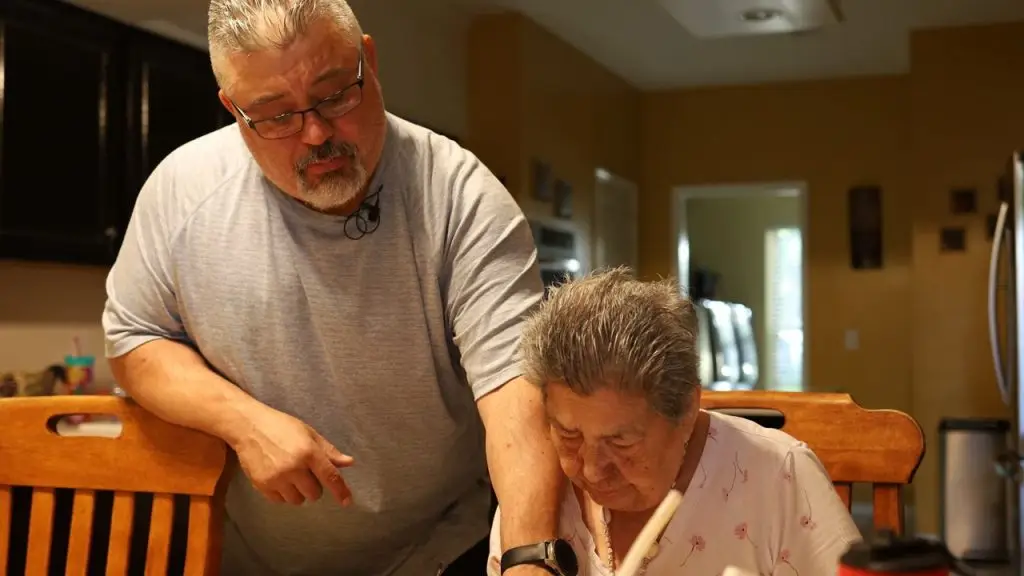
SAN ANTONIO — Playing cards is just one of the many activities that mother and daughter Sarah Cadenas and Thomas Brittain participate in. Cadenas’ mind remained occupied.
Cadenas has Alzheimer’s, and Brittain is his caregiver.
“When I’m preparing breakfast and doing things, he starts coloring, and we got Lotería there,” Brittain said.
Latinos are 1.5 times more likely to have dementia compared to non-Latinos.
Because of the culture, the impact of dementia on the whole family, some say, is more profound for Latinos. Often, Latinos become caregivers for their loved ones – information that is not reflected in the research.
This is why UT Health San Antonio is using a $15.5 million grant to study dementia and its impact on Latinos. UT Health already has a program designed to improve the quality of life of caregivers called Caring for the Caregivers.
“UT Health has a community service representative that calls you every month. Instead of you calling the doctors, they call,” Brittain said. “‘Is there anything you need, anything you need. mom?’”
It eases the financial and emotional strain of care by partnering with grassroots organizations by offering business and banking support for customers with dementia.
According to a national study, 22% of so-called “sandwich caregivers” are Latino, meaning they are in charge of child and adult care.
“He is my right arm,” said Cadenas about his son.
Brittain is retired and all his children are grown so he can spend more time with Cadenas at the memory cafe, at platicas (talks) and other programs offered by UT Health.
“This is a double benefit. It helped my mother, and it helped me. My mother helped other people and we got together with other caregivers,” Brittain said.
It is a reminder that they are not alone.
[ad_2]
Source link