












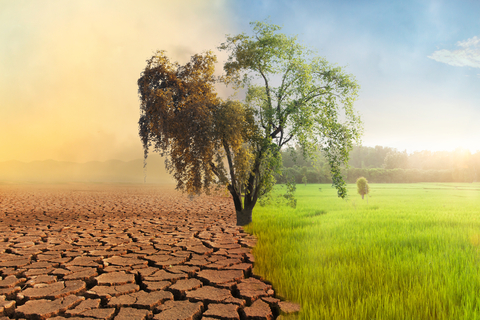
Climate change women’s health Peru is an urgent research area, with profound impacts on wellbeing in the Global South, particularly among underserved women.
Background:
Climate change has profound impacts on women’s health and wellbeing, particularly in the Global South, which is disproportionately affected by environmental threats. Peru, one of the most biodiverse and culturally rich countries worldwide, is uniquely vulnerable to these effects due to its diverse ecosystems each facing distinct climate challenges. Yet research on the lived experiences of rural and Indigenous Peruvian women facing these impacts is scarce. We aim to explore the perspectives and experiences of underserved Peruvian women regarding the effects of climate change, and the needs, assets, and community responses to these threats.
Methods:
Between April and May 2022, we conducted 48 in-depth walking interviews with adult women from the Peruvian north coast, Amazon rainforest, and central and southern Andes regions. Using purposive and iterative snowball sampling, we recruited community key informants. We analysed the data thematically.
Findings:
Our analysis identified four main themes: (1) Local understanding of environmental changes, (2) Gendered impacts of climate change, (3) Women’s participation in environmental governance, and (4) Pathways for gender-responsive climate action. Participants described vivid observations of environmental shifts, often attributing these to local human activities. Women reported increased caregiving responsibilities and economic vulnerabilities due to climate-related events. Barriers to women’s participation in environmental decision-making were identified, including traditional gender roles and lack of voice in community forums. Participants highlighted the need for capacity building, leadership development, and integration of indigenous knowledge in climate action.
Interpretation:
This study underscores the imperative of centring gender equity and social justice in climate change adaptation and environmental governance. Findings highlight the urgent need to address systemic barriers, rebuild institutional trust, and adopt an intersectional, community-centric approach responsive to marginalised women’s realities and priorities. Health systems should prepare for the mental health impacts of climate-related events on women, particularly increased anxiety and depression linked to resource insecurity and caregiving burdens. Policymakers should develop gender-responsive disaster preparedness plans, strengthen women’s representation in environmental decision-making bodies, and create culturally appropriate climate communication strategies that integrate Indigenous knowledge systems. Implementation of targeted leadership training programs for women and establishing community-based environmental monitoring systems would enhance climate resilience while addressing gender inequities.
Funding:
This research was funded by ECF’s postdoctoral fellowship from the Gordon and Betty Moore Foundation at the London School of Hygiene and Tropical Medicine and Stanford University.
Keywords:
Climate change; Environment; Gender equity; Peru; Qualitative research.
Also Read: Physician Communication Cancer Care LMICs: Patient Experience
Trending Topics

Features
- Drive Toolkit
Download and distribute powerful vaccination QI resources for your community.
- Health Champions
Sign up now to support health equity and sustainable health outcomes in your community.
- Cancer Early Detection
MCED tests use a simple blood draw to screen for many kinds of cancer at once.
- PR
FYHN is a bridge connecting health information providers to BIPOC communities in a trusted environment.
- Medicare
Discover an honest look at our Medicare system.
- Alliance for Representative Clinical Trials
ARC was launched to create a network of community clinicians to diversify and bring clinical trials to communities of color and other communities that have been underrepresented.
- Reducing Patient Risk
The single most important purpose of our healthcare system is to reduce patient risk for an acute event.
- Victor Mejia
- Subash Kafle
- Subash Kafle