









HHS and EPA Launch Landmark Initiatives for Microplastics-Free Drinking Water
In a landmark move to improve public health, the U.S. Department of Health and Human Services (HHS) and the Environmental Protection Agency (EPA) have announced a joint initiative aimed at reducing microplastics in drinking water. This historic action underscores growing concerns about the health impacts of microplastics, which have been increasingly detected in water supplies worldwide.
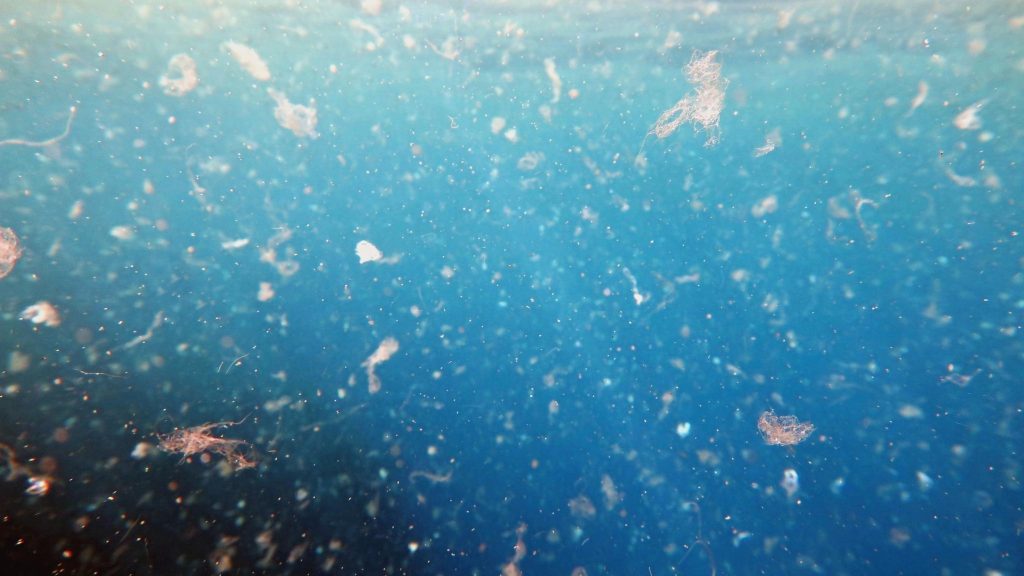
According to the EPA, microplastics are tiny plastic particles less than five millimeters in size, often resulting from the breakdown of larger plastic waste. Scientists have raised alarms about their presence in the environment due to potential health risks, including digestive and respiratory issues. The new initiative aims to mitigate these risks by introducing stricter standards and monitoring protocols for drinking water across the United States.

The HHS and EPA’s plan involves a comprehensive approach to address microplastics from multiple angles. It will include strengthening water quality regulations and enhancing the filtration systems used by water treatment plants. The agencies will also focus on research, investing in studies to better understand the health implications of chronic exposure to microplastics.
“Our goal is to ensure safe and clean drinking water for all Americans,” said Dr. Xavier Becerra, U.S. Secretary of Health and Human Services. “By tackling the challenge of microplastics head-on, we can safeguard public health and protect our environment for future generations.” The initiative will also promote collaboration with industry stakeholders and environmental organizations to ensure comprehensive and effective solutions.
Meanwhile, the EPA Administrator, Michael S. Regan, remarked, “This is a pivotal moment in our efforts to tackle environmental health issues. By leveraging scientific innovation and regulatory measures, we are committed to reducing microplastics pollution and its impact on our communities.” As a part of their strategy, the EPA will enforce new guidelines for plastic waste management and encourage the public to adopt sustainable practices.
Recent studies have highlighted the ubiquity of microplastics. A report by the National Oceanic and Atmospheric Administration (NOAA) revealed that microplastics are frequently found in various water sources across the globe. The World Health Organization (WHO) has also emphasized the need for comprehensive risk assessments to evaluate the long-term effects of microplastic exposure.
For communities of color, who often reside in areas with older infrastructure, these initiatives could prove particularly beneficial. These communities are sometimes more vulnerable to contamination due to outdated water systems. Strengthening regulations and renewing filtration systems could thus represent a significant step forward in protecting these populations.
The HHS and EPA’s actions come at a crucial time as nations around the world grapple with pollution and its implications for health equity. As these efforts unfold, they may serve as a model for other countries looking to address this pressing issue.
Learn more about drinking water regulations on EPA’s website
In conclusion, the collaborative initiative by the HHS and EPA marks a significant advance in the fight against microplastic pollution. This move not only aims to improve the quality of drinking water in the United States but also sets a precedent for global efforts to tackle environmental health challenges. As research continues and regulations tighten, the hope is that future generations will benefit from cleaner, safer water supplies.
Also Read: Empowering Communities: Celebrate National Minority Health Month April
Stay Informed. Stay Empowered.