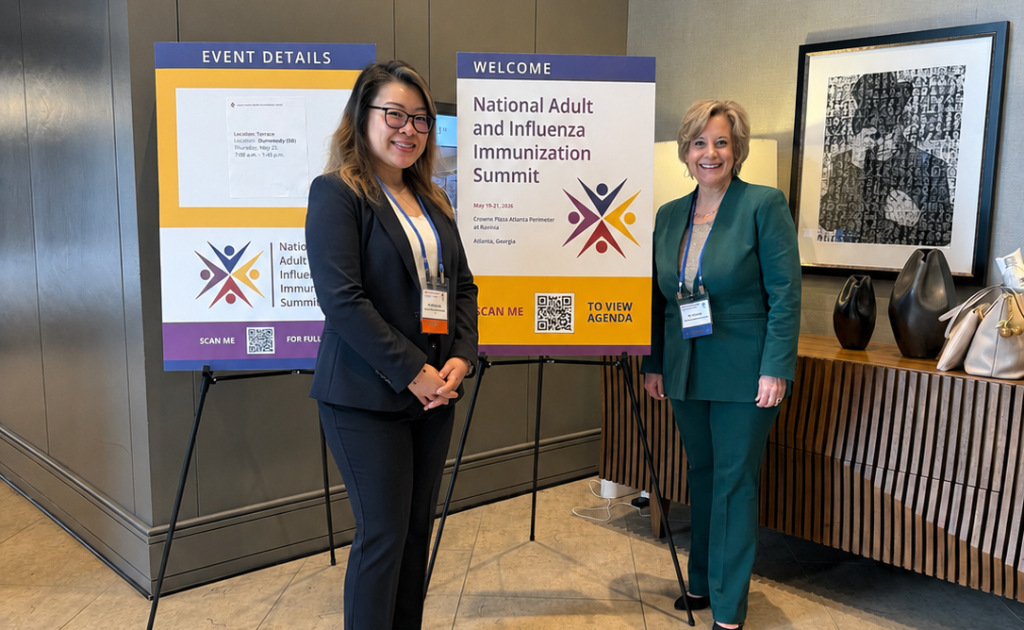
Healthcare leaders from across the country gathered in Atlanta earlier this month for the 2026 National Adult and Influenza Immunization Summit, where public health experts, clinicians, and healthcare systems shared new strategies aimed at improving adult vaccination rates amid growing concerns about vaccine confidence and access.
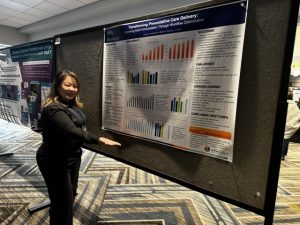
Among the presenters was Michelle Lam, MBA, of NYC Health + Hospitals/Elmhurst, who was recognized as SHC’s 2026 Quality Improvement Champion of the Year. Lam participated in multiple sessions during the May 19–21 summit and presented a poster highlighting adult vaccine quality improvement projects focused on influenza and shingles vaccination efforts in underserved communities.
The annual summit, organized by the National Adult and Influenza Immunization Summit (NAIIS), brings together more than 700 public and private health organizations working to improve adult immunization rates in the United States. According to summit organizers, at least three out of four adults are missing one or more routinely recommended vaccines, a gap public health leaders say worsened during the COVID-19 pandemic.
Lam’s work centered on practical approaches healthcare systems can use to increase vaccine access and patient engagement, particularly among adults at higher risk for complications from influenza and shingles. Influenza continues to cause tens of thousands of deaths annually in the United States, according to the Centers for Disease Control and Prevention, while shingles affects approximately one in three Americans during their lifetime, with older adults and immunocompromised individuals facing the highest risk of severe complications.
Stay Informed. Stay Empowered.
Her projects were supported through collaborations connected to the National Minority Quality Forum’s Center for Sustainable Health Care Quality and Equity, known as SHC, which focuses on improving health outcomes in underserved communities through evidence-based quality improvement initiatives and community engagement programs. SHC has previously reported significant improvements in vaccination rates through partnerships with clinics, pharmacists, churches, and community organizations across multiple states.
In addition to Lam’s poster presentation, Amy Harris of NYC Health + Hospitals/Elmhurst served as a featured presenter during the summit’s “Vaccine Implementation: Successful Healthcare System Approaches” panel. Harris discussed lessons learned from collaborative adult influenza initiatives supported through partnerships with the National Minority Quality Forum.
The panel highlighted how healthcare systems are adapting vaccination outreach efforts to address declining public trust, misinformation, and persistent disparities in preventive care access. Summit sessions throughout the three-day event focused heavily on rebuilding vaccine confidence, improving community engagement, and strengthening healthcare infrastructure to support adult immunization programs.
Public health experts at the summit emphasized that adult immunization remains one of the most underutilized preventive health measures in the country. According to the CDC, vaccination rates for influenza, shingles, pneumococcal disease, and other preventable illnesses continue to lag behind national goals, particularly among racial and ethnic minority populations and adults living in medically underserved communities.
Those disparities have become a major focus for organizations like the National Minority Quality Forum, which has increasingly tied vaccine outreach efforts to broader conversations about healthcare equity and chronic disease prevention. The organization’s recent health equity initiatives have stressed the importance of community-centered care models and culturally responsive healthcare engagement.
The 2026 summit also addressed ongoing policy and operational challenges affecting vaccine delivery nationwide, including insurance coverage barriers, changes in vaccine recommendations, workforce shortages, and the growing influence of misinformation on social media platforms. Healthcare leaders discussed the need for trusted messengers and localized outreach programs that meet patients where they are, especially in communities with historically low vaccination rates.
Experts participating in the summit noted that healthcare systems are increasingly relying on partnerships between hospitals, federally qualified health centers, pharmacies, and community organizations to improve outreach and vaccination uptake. These collaborations, speakers said, have become essential to reaching adults who may not regularly engage with traditional healthcare settings.
For Lam and Harris, the summit provided an opportunity to share real-world examples of how healthcare systems can improve vaccine delivery while addressing barriers tied to trust, education, and access. Their presentations reflected a broader national push to strengthen preventive healthcare efforts at a time when many public health officials warn the United States remains vulnerable to preventable outbreaks and seasonal respiratory illnesses.
Organizers said the summit’s discussions underscored a growing consensus among healthcare leaders that improving adult immunization rates will require long-term investments in community partnerships, patient education, and healthcare system coordination rather than short-term awareness campaigns alone.
Stay Informed. Stay Empowered.