









Gen Z Women Are Seeing More GLP-1 Ads. Here's What They Need to Know About the Risks and Side Effects.

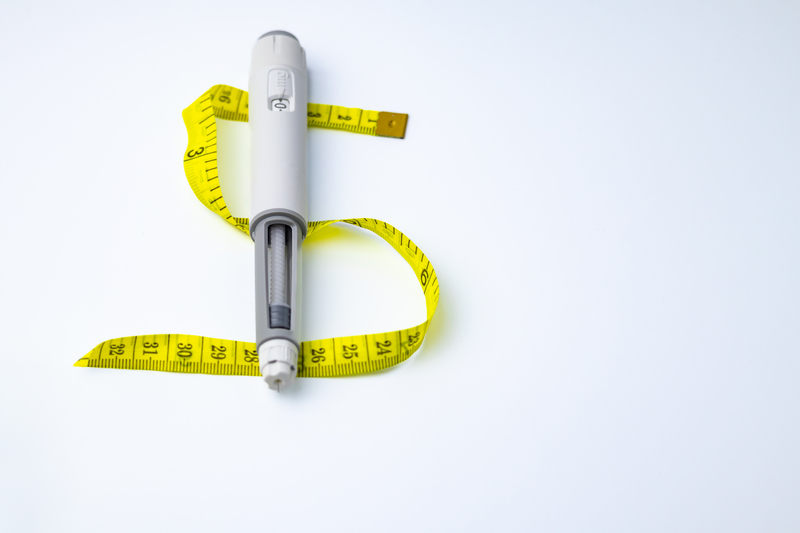
For many Gen Z girls and teenagers scrolling through TikTok, Instagram, and YouTube, advertisements for GLP-1 medications have become nearly impossible to avoid. Videos promising dramatic transformations, influencer testimonials celebrating rapid weight loss, and telehealth promotions offering easier access to prescriptions have helped turn drugs like Wegovy and Ozempic into household names. But as these medications gain visibility among younger audiences, health experts say the conversation often leaves out critical information about who these drugs are designed for and the risks they carry.

GLP-1 receptor agonists were initially developed to help manage type 2 diabetes by regulating blood sugar levels. Some medications in this class, including Wegovy, later received approval from the U.S. Food and Drug Administrationย for chronic weight management in adults and adolescents ages 12 and older who meet specific criteria for obesity. The drugs work by mimicking hormones that regulate appetite, helping people feel full for longer periods of time.

Yet while the science behind these medications is rooted in treating chronic disease, their growing presence on social media has reframed them as lifestyle products for many young women navigating intense pressure around body image.

For teenagers who medically qualify for treatment, GLP-1 medications may offer meaningful health benefits when prescribed as part of a comprehensive treatment plan. However, Novo Nordisk, the manufacturer of Wegovy, reports that the most common side effects seen in adolescent clinical trials included nausea, vomiting, diarrhea, constipation, abdominal pain, headaches, and fatigue. According to the company’s prescribing information, gastrointestinal symptoms were among the most frequently reported adverse events among teens using the medication.

The FDA has also warned of more serious complications associated with GLP-1 medications. Federal regulators note that patients may face an increased risk of pancreatitis, gallbladder disease, including gallstones, kidney problems related to dehydration, and severe gastrointestinal complications that require medical attention. The agency advises patients to seek immediate medical care if they experience persistent or severe abdominal pain.

Beyond physical side effects, experts are increasingly examining how these medications intersect with adolescent mental health and eating behaviors. The National Eating Disorders Association has cautioned that GLP-1 drugs may present unique concerns for individuals with active eating disorders, a history of disordered eating, or those vulnerable to developing unhealthy relationships with food. In guidance published on its website, NEDA notes that appetite suppression and rapid weight loss can be particularly concerning in a society where thinness is often equated with success, especially among young people who are still developing their identities and self-image.

Those concerns may resonate strongly with Gen Z girls, who have grown up in an era of constant digital comparison. Research published in recent years has consistently linked social media exposure to increased body dissatisfaction among adolescent girls and young women. For teens of color, these pressures can be compounded by longstanding health inequities, cultural expectations, and barriers to accessing high-quality healthcare.

Black and Latina adolescents, for example, experience disproportionate rates of obesity-related health conditions while often facing obstacles to specialty care and evidence-based treatment. Public health experts argue that discussions about GLP-1 medications in these communities must acknowledge the broader context of healthcare access, affordability, medical mistrust, and the lack of culturally responsive care that many families encounter.

The rise of online weight-loss services has also raised safety concerns. In a public alert, the FDA warned consumers about compounded versions of semaglutide after receiving reports of dosing errors that resulted in serious adverse events, including hospitalizations. Some patients mistakenly administered doses significantly higher than prescribed, leading to severe nausea, vomiting, dehydration, and other complications requiring medical intervention.

At the same time, use of these medications among adolescents appears to be increasing. Reuters recently reported that prescriptions for Wegovy among U.S. teenagers rose sharply over the past year, reflecting both growing awareness and expanding acceptance of medical treatment for obesity. The trend has prompted researchers to call for continued study of the long-term effects of GLP-1 use in younger populations, particularly because adolescents are still undergoing critical physical and emotional development.

Questions surrounding mental health risks have also drawn national attention. Earlier this year, the FDA announced that its review of available evidence did not identify an increased risk of suicidal thoughts or behaviors linked to GLP-1 medications. The agency subsequently requested the removal of warnings related to suicidal ideation from certain product labels. However, the FDA emphasized that patients, parents, and healthcare providers should remain attentive to any unusual changes in mood or behavior and report concerns promptly.

For Gen Z women and teenagers whose feeds are saturated with messages promising transformation through weight loss, the growing popularity of GLP-1 medications presents a complicated reality. These drugs can be effective treatment options for some patients under appropriate medical supervision. But health experts caution that they are not beauty shortcuts or social media trends to be pursued without careful consideration. As advertisements continue to reach younger audiences, ensuring that teens and their families receive accurate information from trusted medical sources may be just as important as understanding what these medications can do.

Stay Informed. Stay Empowered.

 

Trending Topics

Features

Download and distribute powerful vaccination QI resources for your community.

Sign up now to support health equity and sustainable health outcomes in your community.

MCED tests use a simple blood draw to screen for many kinds of cancer at once.

FYHN is a bridge connecting health information providers to BIPOC communities in a trusted environment.

Discover an honest look at our Medicare system.

ARC was launched to create a network of community clinicians to diversify and bring clinical trials to communities of color and other communities that have been underrepresented.

The single most important purpose of our healthcare system is to reduce patient risk for an acute event.

Related Posts
5 Heat Safety Tips That Could Protect Your Health This Summer
Gen Z Women Are Seeing More GLP-1 Ads. Here’s What They Need to Know About the Risks and Side Effects.
Closing the Healthcare Gap Requires Embracing Innovation
Scroll to Top
Featured Articles
Extreme Heat Safety Tips 5 Ways to Protect Your Health This Summer fyh.news
5 Heat Safety Tips That Could Protect Your Health This Summer
Gen Z Women Are Seeing More GLP-1 Ads. Here's What They Need to Know About the Risks and Side Effects.
Gen Z Women Are Seeing More GLP-1 Ads. Here's What They Need to Know About th...
Healthcare professional using artificial intelligence and digital health technology to improve patient outcomes and advance health equity in African American communities.
Closing the Healthcare Gap Requires Embracing Innovation
Lupus Awareness Event in Baltimore Aims to Support Research and Shine a Light on Health Disparities
Lupus Awareness Event in Baltimore Aims to Support Research and Shine a Light...
Healthcare Gaps Continue to Put Black and Latino LGBTQ+ Communities at Risk
Alzheimerโ€™s Awareness Month Highlights Growing Crisis for Black Americans
Categories
AI
ATTR-CM
BIPOC News
Cancer
Clinical Trials
Covid19
Diseases of the Body
Environment
Health Data
Health Equity Events
Health Policy
Health Tips
Subscribe to our newsletter to receive our latest newsโ€‹
All Stories
Extreme Heat Safety Tips 5 Ways to Protect Your Health This Summer fyh.news
5 Heat Safety Tips That Could Protect Your Health This Summer
Gen Z Women Are Seeing More GLP-1 Ads. Here's What They Need to Know About the Risks and Side Effects.
Gen Z Women Are Seeing More GLP-1 Ads. Here's What They Need to Know About th...
Healthcare professional using artificial intelligence and digital health technology to improve patient outcomes and advance health equity in African American communities.
Closing the Healthcare Gap Requires Embracing Innovation
BIPOC News
Gen Z Women Are Seeing More GLP-1 Ads. Here's What They Need to Know About the Risks and Side Effects.
Gen Z Women Are Seeing More GLP-1 Ads. Here's What They Need to Know About th...
Healthcare professional using artificial intelligence and digital health technology to improve patient outcomes and advance health equity in African American communities.
Closing the Healthcare Gap Requires Embracing Innovation
Lupus Awareness Event in Baltimore Aims to Support Research and Shine a Light on Health Disparities
Lupus Awareness Event in Baltimore Aims to Support Research and Shine a Light...
Environment
Extreme Heat Safety Tips 5 Ways to Protect Your Health This Summer fyh.news
5 Heat Safety Tips That Could Protect Your Health This Summer
Lupus Awareness Event in Baltimore Aims to Support Research and Shine a Light on Health Disparities
Lupus Awareness Event in Baltimore Aims to Support Research and Shine a Light...
Healthcare Gaps Continue to Put Black and Latino LGBTQ+ Communities at Risk
Work Force
dreamstime_s_243253251
The Caregiver Journey: The Hidden Backbone of American Healthcare
Families gather at a Bronx community festival with live music, kidsโ€™ activities, and health booths sharing SOMOS social care resources and free screenings.
Celebrating Hispanic heritage while learning about health care

msn

Racial/Ethnic Minorities have Greater Declines in Sleep Duration with Higher Risk of Cardiometabolic Disease
Racial/Ethnic Minorities have Greater Declines in Sleep Duration with Higher ...

pubmed

Clinical Trials
dreamstime_s_174488289
PCOS to PMOS: Why the 2026 Name Change Matters for Womenโ€™s Health

Lupus Awareness Month Highlights Ongoing Gaps in Clinical Trials for Black and Brown Communities
Lupus Awareness Month Highlights Ongoing Gaps in Clinical Trials for Black an...
Black Family Wellness Expo 2026 Atlanta
Black Family Wellness Expo Brings Healing, Resources, and Community Together
Vaccines and Outbreaks
Michelle Lam, MBA, of NYC Health + Hospitals/Elmhurst & Amy Harris of NYC Health + Hospitals/Elmhurst
Healthcare Leaders Spotlight Vaccine Equity and Adult Immunization Strategies...
Measles Outbreaks Surge: Essential Facts and Prevention Strategies
U.S. measles cases 2026: Outbreaks Spread as MMR Coverage
2026 Measles Spike: U.S. Cases Rise Fast as Outbreaks Grow
Other Categories
AI
Read the latest AI News stories trending around the world
ATTR-CM
Cancer
Read the latest Cancer stories trending around the world
Covid19
Diseases of the Body
Read about the latest Diseases of the Body trending around the world
Friday Webinars
Every Friday, we bring you insightful webinars covering critical topics in healthcare, data equity, and policy reform.
Health Data
Read the latest Health Data stories trending around the world
Health Equity Events
Read the best Health Equity Events around the country.
Health Policy
Read the latest Health Policy stories trending around the world
Health Tips
Heart Health
Read the latest on Heart Health News, Stories and Tips.
kidney Health
Read more trending News about Kidney Health, Stories and Tips.