











- By Jessica Wilson
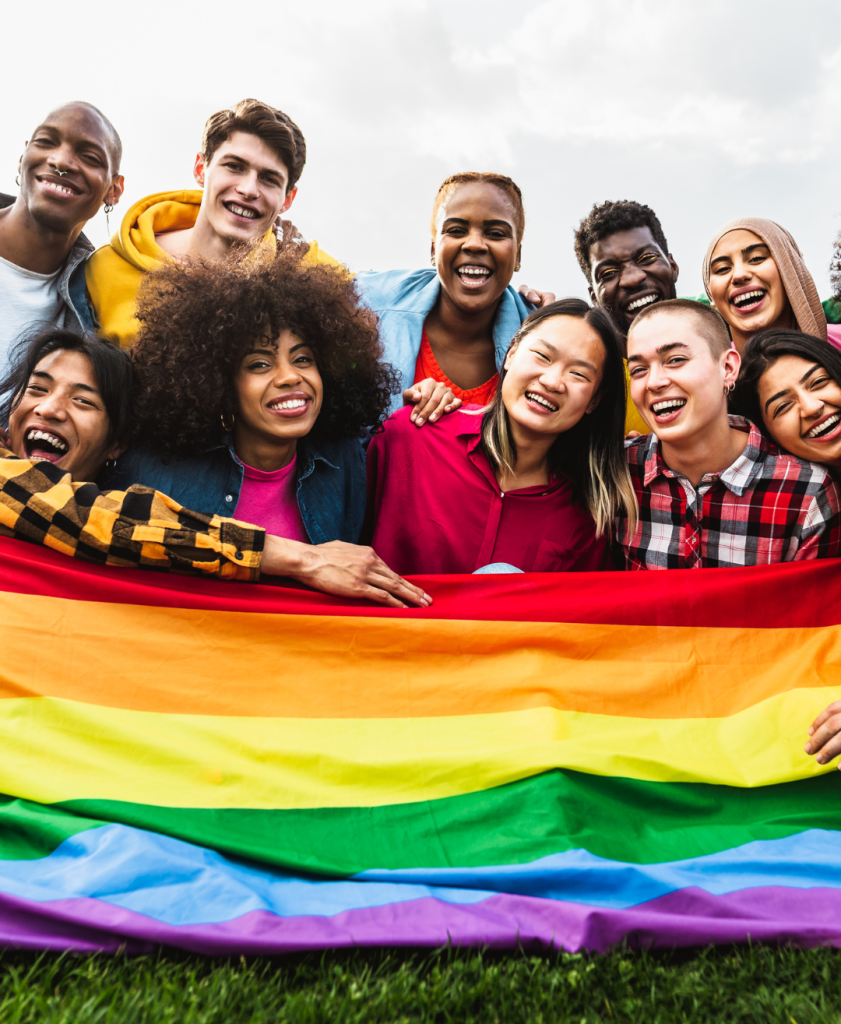
As Pride Month celebrations unfold across the United States, health advocates and researchers say many Black and Brown LGBTQ+ people continue to face a quieter reality marked by untreated trauma, mental health disparities, and barriers to care that often go unseen.
Public health experts warn that the intersection of racism, homophobia, transphobia, poverty, and limited healthcare access has created what many describe as a growing mental health crisis within communities of color. While awareness around LGBTQ+ rights has expanded in recent years, advocates say support systems have not kept pace for many people navigating multiple forms of discrimination at once.
The Trevor Project’s 2025 U.S. National Survey on the Mental Health of LGBTQ+ Young People found that LGBTQ+ youth of color reported significantly higher rates of suicide attempts than their white peers. According to the report, 19% of Black LGBTQ+ youth surveyed said they had attempted suicide in the previous year, compared to 8% of white LGBTQ+ youth. The survey, which included more than 16,000 LGBTQ+ young people nationwide, also found that nearly one-third of respondents experienced racial or ethnic discrimination.
Researchers say those numbers reflect longstanding inequities that extend beyond mental health alone. Black and Latino LGBTQ+ individuals are more likely to encounter housing instability, unemployment, family rejection, and healthcare discrimination, all of which contribute to chronic stress and worsening health outcomes.
“LGBTQ+ young people are not inherently prone to higher suicide risk because of their sexual orientation or gender identity,” The Trevor Project wrote in its report. “Rather, they are placed at higher risk because of how they are mistreated and stigmatized in society.”
Mental health providers say the effects are often compounded by cultural stigma surrounding therapy and emotional vulnerability within some communities of color. Many LGBTQ+ people report suffering in silence out of fear of rejection from relatives, religious institutions, or their broader communities.
Dr. Ronita Nath, vice president of research at The Trevor Project, said supportive environments can significantly reduce suicide risk among LGBTQ+ youth. In a recent interview discussing the organization’s latest findings, Nath said LGBTQ+ young people living in accepting communities attempted suicide at less than one-third the rate of those living in unaccepting communities.
Health experts also point to structural barriers that prevent many LGBTQ+ people of color from receiving adequate care. Nearly 44% of LGBTQ+ young people surveyed by The Trevor Project said they were unable to access the mental healthcare they wanted during the past year. Among the most common reasons cited were affordability concerns, fear of not being taken seriously, and concern that providers would not understand their sexual orientation or gender identity.
For transgender and nonbinary people of color, the challenges can be even more severe. The survey found that transgender and nonbinary youth who could not access gender-affirming hormone care were nearly twice as likely to attempt suicide as those who were able to receive treatment.
Advocates say recent political debates surrounding LGBTQ+ healthcare and rights have intensified stress levels within already vulnerable communities. More than 90% of LGBTQ+ youth surveyed said recent anti-LGBTQ+ laws and political rhetoric negatively affected their well-being. Nearly one-quarter said the climate made them feel unsafe going to a doctor or hospital.
At the same time, several national organizations have raised concerns about reductions in specialized mental health support. Earlier this year, federal officials announced plans to end the LGBTQ+-specific option connected to the 988 Suicide & Crisis Lifeline, a service that had fielded more than one million contacts since launching in partnership with The Trevor Project in 2022. Critics warned that the move could disproportionately affect LGBTQ+ youth already struggling to find affirming care.
Community organizations across the country have attempted to fill gaps through peer counseling programs, culturally competent therapy networks, and LGBTQ+ affirming wellness initiatives aimed specifically at Black and Brown populations. Some advocates say these spaces are critical because traditional healthcare systems have historically failed marginalized groups.
Studies examining suicide and mental health trends have increasingly linked social determinants such as housing insecurity, violence, discrimination, and economic instability to worsening outcomes. Researchers say those pressures often overlap for LGBTQ+ people of color, creating conditions that can leave many isolated from support systems.
Despite the challenges, health leaders say visibility during Pride Month can help spark broader conversations about equity, access, and survival. Many advocates argue that Pride celebrations should not only center visibility and inclusion, but also acknowledge the mental and physical health burdens carried by marginalized LGBTQ+ communities year-round.
As cities host parades and festivals throughout June, public health experts say the larger challenge remains ensuring that Black and Brown LGBTQ+ people are seen not only during moments of celebration, but also in conversations about healthcare access, mental health support, and long-term community well-being.
Stay Informed. Stay Empowered.
Trending Topics

Features
- Drive Toolkit
Download and distribute powerful vaccination QI resources for your community.
- Health Champions
Sign up now to support health equity and sustainable health outcomes in your community.
- Cancer Early Detection
MCED tests use a simple blood draw to screen for many kinds of cancer at once.
- PR
FYHN is a bridge connecting health information providers to BIPOC communities in a trusted environment.
- Medicare
Discover an honest look at our Medicare system.
- Alliance for Representative Clinical Trials
ARC was launched to create a network of community clinicians to diversify and bring clinical trials to communities of color and other communities that have been underrepresented.
- Reducing Patient Risk
The single most important purpose of our healthcare system is to reduce patient risk for an acute event.
- Subash Kafle
- Jessica Wilson
- Subash Kafle