








Environment
Freight routes harm health of nearby residents: People of color, low incomes disproportionately harmed
[ad_1]
EPA has proposed stronger emission standards for heavy trucks carrying freight.
Photo by Wendell and Carolyn, iStockphoto
Seventy-...
Black and Hispanic children suffer disproportionately from asthma. Climate change is making it worse.
[ad_1]
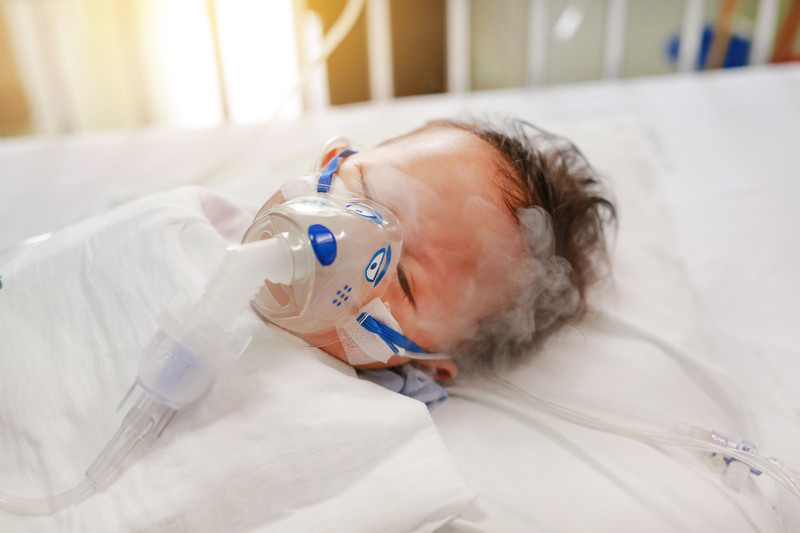
Ever since they were infants, LaRae Cantley’s four children were constantly in and out of the emergency room, because they couldn&rsqu...
Class-action lawsuit brought against Jackson regarding water crisis
A class-action lawsuit has been brought against the City of Jackson in the city’s ongoing water crisis.
The latest, filed in the Southern Dis...
The Jackson Water Crisis: A Relic of Environmental Racism?
[ad_1]
...
Why Extreme Heat Affects Low-Income and Minority Communities More
[ad_1]
Climate change is creating dangerously high temperatures that put human health at risk. But some communities are disproportionately affect...
Smoke from ag burning contributes to long-term health effects for Valley Latino residents
[ad_1]
This is part of the series When the Smoke Clears, produced with the support of the USC Annenberg Center for Health Journalism Impact Fund....


Trending Topics

Features
- Drive Toolkit
Download and distribute powerful vaccination QI resources for your community.
- Health Champions
Sign up now to support health equity and sustainable health outcomes in your community.
- Cancer Early Detection
MCED tests use a simple blood draw to screen for many kinds of cancer at once.
- PR
FYHN is a bridge connecting health information providers to BIPOC communities in a trusted environment.
- Medicare
Discover an honest look at our Medicare system.
- Alliance for Representative Clinical Trials
ARC was launched to create a network of community clinicians to diversify and bring clinical trials to communities of color and other communities that have been underrepresented.
- Reducing Patient Risk
The single most important purpose of our healthcare system is to reduce patient risk for an acute event.