














- By FYH News Team
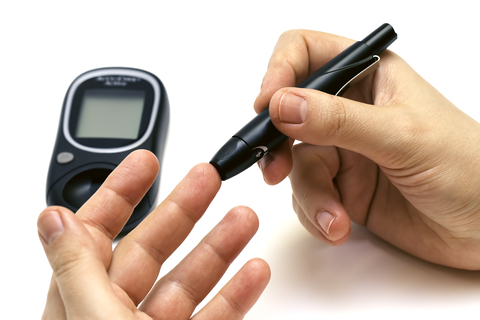
Hispanic men diabetes prevention is a critical public health issue, as Hispanic men face higher rates of diabetes yet participate less in prevention programs like the National Diabetes Prevention Program (NDPP). Understanding the barriers to Hispanic men diabetes prevention is essential for designing effective interventions and improving engagement in these programs. Hispanic men experience higher rates of diabetes compared with non-Hispanic White men but remain underrepresented in preventive lifestyle interventions.
Objective:
To identify unique reasons for Hispanic men’s low engagement in the National Diabetes Prevention Program (NDPP) compared with those with high engagement to inform strategies for improving participation.
Design, setting, and participants:
This qualitative study recruited Hispanic men aged 18 years and older and at risk for diabetes per electronic medical records from June 2023 to February 2024 from primary care sites affiliated with hospital-associated Montefiore Health Systems related to an ongoing clinical trial called Power Up. Patients were invited to participate in one-time phone interviews. Interviews were analyzed deductively, guided by behavior change frameworks.
Exposure:
Participant’s level of engagement varied with representation balanced between those demonstrating low and high engagement in the NDPP (attendance at <4 and ≥4 sessions, respectively).
Main outcomes and measures:
Planned study outcomes included NDPP notable factors associated with low engagement.
Results:
Of 32 Hispanic men who completed interviews (20 patients [62.5%]aged >50 years), 15 had low engagement in the NDPP, 13 (87%) were not born in the US, 12 (80%) had limited English proficiency, and 8 (53%) did not complete high school. Three major themes and 11 subthemes emerged. Hispanic men with low engagement discussed limited awareness of their prediabetes diagnosis, lifestyle change self-sufficiency, and skepticism about their diabetes risk and the benefits of NDPP. Also mentioned were financial barriers, restricted access to the program, and the perceived negatives of participation outweighing potential benefits.
Several factors affect Hispanic men diabetes prevention, including limited awareness of prediabetes, financial barriers, and skepticism about program benefits. Improving Hispanic men diabetes prevention requires culturally tailored recruitment and support strategies. Addressing these challenges will help reduce diabetes-related health disparities in this population.
Conclusions and relevance:
Addressing the unique barriers faced by Hispanic men in engaging with the NDPP is critical to reducing diabetes-related inequities and may require tackling knowledge gaps, financial barriers, and perceptions of program relevance before, during, and after enrollment. Future research should explore how to tailor recruitment strategies and program content to Hispanic men’s specific identities, motivations, and challenges.
Also Read: Ovulation Induction Treatment: Boost Fertility with Irregular Cycles
Trending Topics

Features
- Drive Toolkit
Download and distribute powerful vaccination QI resources for your community.
- Health Champions
Sign up now to support health equity and sustainable health outcomes in your community.
- Cancer Early Detection
MCED tests use a simple blood draw to screen for many kinds of cancer at once.
- PR
FYHN is a bridge connecting health information providers to BIPOC communities in a trusted environment.
- Medicare
Discover an honest look at our Medicare system.
- Alliance for Representative Clinical Trials
ARC was launched to create a network of community clinicians to diversify and bring clinical trials to communities of color and other communities that have been underrepresented.
- Reducing Patient Risk
The single most important purpose of our healthcare system is to reduce patient risk for an acute event.
- Jessica Wilson
- Subash Kafle


