











[ad_1]
In the current U.S. health care system, racial and ethnic differences in psychiatry constitute vastly different standards of care and patient outcomes. While many of these differences have been clearly defined by experts, action to reduce them and ensure more equitable mental health care is lagging behind.
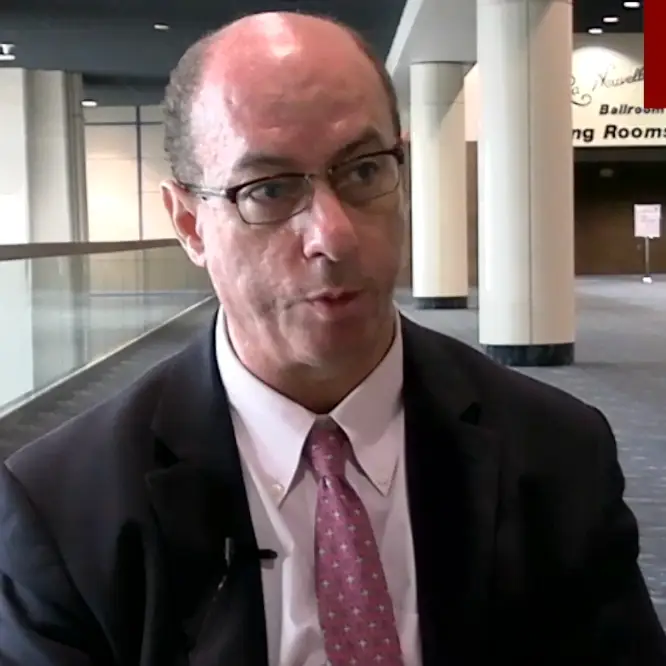
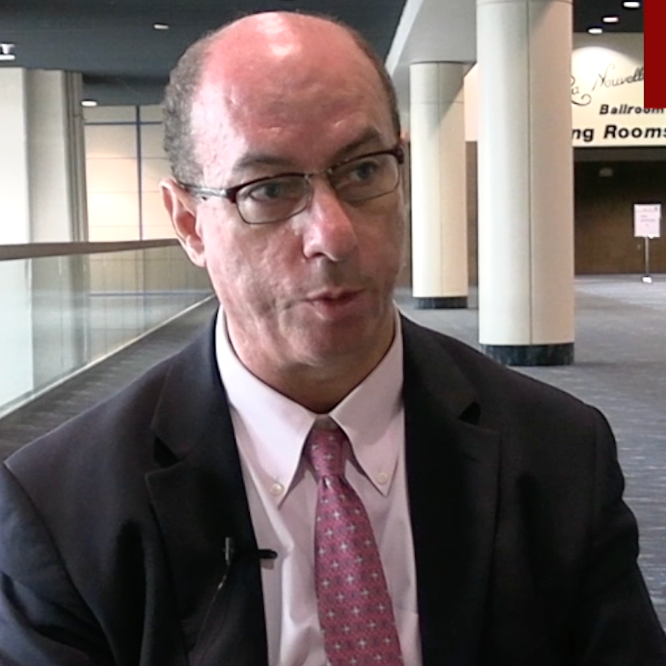
In an interview with HCPLive at the American Psychiatric Association (APA) 2022 annual meeting in New Orleans last week, Carlos Blanco-Jerez, MD, PhD, director of the Division of Epidemiology, Services, and Preventive Research at the National Institute on Drug Abuse (NIDA), discussed the burden of disparate mental health outcomes among the Hispanic population.
As Blanco-Jerez explained, there are 2 separate but related issues in the mental health rates of Hispanic patients.
“Hispanics generally have a lower prevalence of common psychiatric disorders, including depression, anxiety, substance use disorders, or behavioral disorders,” he explained. “On the other hand, treatment rates among Hispanics with a psychiatric disorder are lower. The results are of course worse.”
The driving factors behind the reduced use of Spanish mental health services are both culturally and systemically supported. Blanco-Jerez explained that compared to the general population, such patients face unique challenges, including a potential lack of insurance, limited access to transportation and “competitive demands” in their livelihoods.
“When you have a headache, say, you want to get rid of those headaches,” Blanco-Jerez said. “But if you have to choose between going to the doctor or keeping your job and being able to feed your family, most likely you will go to work. That also happens with psychiatric disorders.”
While Blanco-Jerez acknowledges that there is heterogeneity on both sides of the overall patient-physician relationship in mental health, Blanco-Jerez said cultural and language barriers persist in cases where such patients begin to receive care. For example, patients may be afraid to continue with treatments or extra visits because of language barriers.
“On the clinician side, I think we usually do a good job treating Hispanics, but there is a not negligible number of clinicians who tend to view Hispanics as inferior individuals because of language or cultural barriers,” he said. . “They may see them as less intelligent or worthy of less attention.”
As for the possibilities of solving these problems, Blanco-Jerez pointed to 2 major hurdles at the systemic level: stigma and telemedicine. Speaking to the latter, he explained that as telemedicine is more easily practiced by specialists in psychiatry, disparities could widen among populations that have less access to such technology.
Finally, Blanco-Jerez pointed to the need to better distinguish between a person’s need for psychiatric care and possible legal consequences after a mental illness-related event that could lead to jail time and exclusion from favorable treatment.
[ad_2]
Source link




