










Opinion: What happened when smoking was banned in American Indian casinos

[ad_1]

This development may have once seemed unthinkable in communities where consuming tobacco is both a sacred ritual and a heavily entrenched public-health burden. But it’s happening. It is a striking reversal given that the tobacco industry has pushed its toxic products on American Indian lands for a century or more, and the gambling industry has argued against smoking bans since Indian casinos first emerged in the 1980s.

Advocates for preventing and treating addictions now can learn from this victory. We should work hard to help our tribal nations with only temporary smoking restrictions to make them permanent.

Traditional healers have taken care to explain and preserve the crucial distinction between ceremonial tobacco, which has historically been used in both spiritual and cultural settings, and commercial tobacco products, whose only purpose is pursuit of the almighty dollar. This distinction has been blurred over many years, to the great detriment of American Indian health and well-being.
Federal policies enacted in the 1800s banned American Indians’ cultural and religious practices, curtailing the ritual use of traditional plants like tobacco. Another blow to tradition came from the tobacco industry in the misappropriation of Native American Indian culture on commercial tobacco packaging, which began in 1904.
More recently, the commercial tobacco industry has targeted American Indians with their poison by offering price reductions, bingo and casino promotions, and other gimmicks to entice consumers.

Commercial products are far different from the plants used in religious rites — into American Indian communities—but American Indian iconography and imagery have been used to sell cigars, cigarettes, chewing tobacco and a false history in which Indian culture and nicotine were indelibly linked.

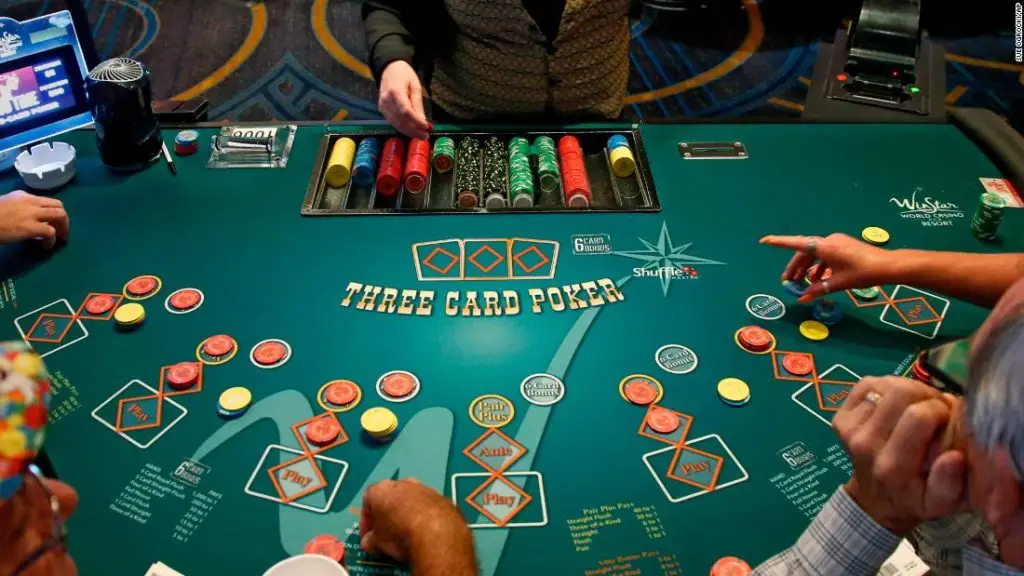
It has taken a lot of effort and education to turn that story around. Casinos worried going smoke-free would cost them customers and precious revenue, but for a number of casinos across the nation, revenue has increased despite smoking bans being in place. The bans do not seem to deter gamblers.
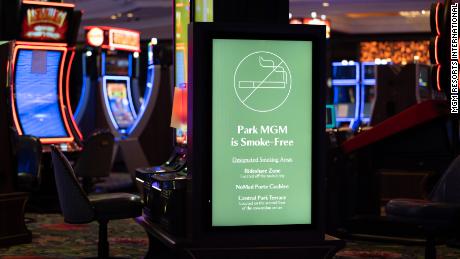
Las Vegas Strip will see its first smoke-free casino when Park MGM reopens at the end of September
What’s more, American Indian communities which used commercial tobacco sometimes conflated tradition with addiction. Public health advocates had their hands full fighting against a range of scourges — not just commercial tobacco but also other addictive drugs — and for essentials sorely lacking on reservations, like clean water and air, with little money or support.
Then, two years ago, Covid-19 hit and casino profits plunged. Advocates used the opportunity to present options to industry executives. Many of the casinos reopened with new policies designed to allow customers to breathe easier and not get sick. They included previously unheard-of smoking restrictions. It’s hard to smoke with a mask on. But much to everyone’s surprise, it seems going smoke-free could be good for business, evidenced by soaring profits in other smoke-free casinos.
Covid and smoking are parallel disasters. The pandemic has killed more than 950,000 people in the United States in the last two years. Use of commercial tobacco products kills about 500,000 people a year.
Many deaths result from illness laid atop injustice. Indian reservations and other communities of color have long been afflicted by poverty, ill health and inadequate health care. For generations, they have also been targets of the tobacco industry’s aggressive, predatory marketing. It’s no wonder they suffer disproportionately from lung and heart disease, diabetes, lung cancer and other conditions linked to tobacco use.

The industry’s deadly products create many opportunities for an opportunistic virus to sweep in and cut down those whom tobacco has left vulnerable.

These are the challenges confronting those trying to improve public health in Indian country. Commercial tobacco is a powerfully addictive drug, and Covid-19 is ruthless, posing a great risk to smokers.
Saving lives often starts with getting people to break their smoking addiction. This can be difficult, but here is the good news: Smokers can free themselves, through proven interventions like counseling, peer and family outreach, and medications like nicotine gum, patches and other pharmacotherapies. Telephone quit lines can double their chances of success.
And yet, on Tribal reservations, where many homes lack electricity and running water, calling a quit line or attending a smoking cessation webinar are not always realistic options for smokers.
But smoke-free casinos are feasible and do not appear to dissuade gamblers. And American Indians seeking to quit may benefit from the role of traditional healers and techniques like mindfulness practices, which were facts of American Indian life centuries before “mindfulness” became a contemporary buzzword. And, as Dr. Nez Henderson has often said, American Indians can decolonize tobacco in every setting.
American Indians themselves can debunk the notion that commercial tobacco is somehow an integral part of Indigenous culture. It’s not. The casinos are a fine place to start, but this isn’t over. We are continuing to fight to change the system to deliver health equity, and we need help with basic resources to make cessation possible as we continue the decolonization struggle. The sooner commercial tobacco addiction begins disappearing from Indian country, the better we are as tribal nations.

[ad_2]

Source link
Trending Topics

Features

Download and distribute powerful vaccination QI resources for your community.

Sign up now to support health equity and sustainable health outcomes in your community.

MCED tests use a simple blood draw to screen for many kinds of cancer at once.

FYHN is a bridge connecting health information providers to BIPOC communities in a trusted environment.

Discover an honest look at our Medicare system.

ARC was launched to create a network of community clinicians to diversify and bring clinical trials to communities of color and other communities that have been underrepresented.

The single most important purpose of our healthcare system is to reduce patient risk for an acute event.

Related Posts
The Communities Most Burdened by Disease Should Be the First to Benefit from Artificial Intelligence
Black and Asian Cancer Patients Wait Longer for Pain Relief in New Study
What Is Cyclosporiasis? The Foodborne Illness Showing Up in the News
Scroll to Top
Featured Articles
The Communities Most Burdened by Disease Should Be the First to Benefit from Artificial Intelligence
The Communities Most Burdened by Disease Should Be the First to Benefit from ...
Cancer Pain Care Access Gap Hits Black, Asian Patients
Black and Asian Cancer Patients Wait Longer for Pain Relief in New Study
What Is Cyclosporiasis Symptoms, Food Safety, and Reasons
What Is Cyclosporiasis? The Foodborne Illness Showing Up in the News
Why Minority Mental Health Awareness Month Matters More Than Ever
From Childhood Cancer to Alzheimer’s and ALS Celebrity Health Stories Spark National Conversation on Disease, Caregiving, and Equity
From Childhood Cancer to Alzheimer’s and ALS Celebrity Health Stories Spark N...
Learn How NMQF Is Transforming Early Disease Detection in Flint
Categories
AI
ATTR-CM
BIPOC News
Cancer
Clinical Trials
Covid19
Diseases of the Body
Environment
Health Data
Health Equity Events
Health Policy
Health Tips
Subscribe to our newsletter to receive our latest news​
All Stories
The Communities Most Burdened by Disease Should Be the First to Benefit from Artificial Intelligence
The Communities Most Burdened by Disease Should Be the First to Benefit from ...
Cancer Pain Care Access Gap Hits Black, Asian Patients
Black and Asian Cancer Patients Wait Longer for Pain Relief in New Study
What Is Cyclosporiasis Symptoms, Food Safety, and Reasons
What Is Cyclosporiasis? The Foodborne Illness Showing Up in the News
BIPOC News
The Communities Most Burdened by Disease Should Be the First to Benefit from Artificial Intelligence
The Communities Most Burdened by Disease Should Be the First to Benefit from ...
Why Minority Mental Health Awareness Month Matters More Than Ever
From Childhood Cancer to Alzheimer’s and ALS Celebrity Health Stories Spark National Conversation on Disease, Caregiving, and Equity
From Childhood Cancer to Alzheimer’s and ALS Celebrity Health Stories Spark N...
Environment
UV Safety Awareness Month Raises Urgency on Skin Cancer Prevention and Sun Protection Equity
UV Safety Awareness Month Raises Urgency on Skin Cancer Prevention and Sun Pr...
Extreme Heat Safety Tips 5 Ways to Protect Your Health This Summer fyh.news
5 Heat Safety Tips That Could Protect Your Health This Summer
Lupus Awareness Event in Baltimore Aims to Support Research and Shine a Light on Health Disparities
Lupus Awareness Event in Baltimore Aims to Support Research and Shine a Light...
Work Force
A multigenerational Black and Hispanic family sitting together in a park, showing how Social Security helps support older adults, people with disabilities, and families across generations.
Millions of Older Americans Could Face Smaller Social Security Checks by 2032...
dreamstime_s_243253251
The Caregiver Journey: The Hidden Backbone of American Healthcare
Families gather at a Bronx community festival with live music, kids’ activities, and health booths sharing SOMOS social care resources and free screenings.
Celebrating Hispanic heritage while learning about health care

[xyz-ips snippet=”Output-Source-Name”]

Clinical Trials
Clinical Trial Diversity Remains a Critical Challenge in Alzheimer’s Research
Healthcare professional collecting a blood sample from a diverse patient as part of multicancer early detection screening.
Bridging the Gap: How Multicancer Early Detection Can Advance Health Equity i...
dreamstime_s_174488289
PCOS to PMOS: Why the 2026 Name Change Matters for Women’s Health

[xyz-ips snippet=”Output-Source-Name”]

Vaccines and Outbreaks
A parent checking a child's temperature during summer, illustrating the changing RSV patterns and year-round respiratory virus risks.
Can You Get RSV During the Summer?
Michelle Lam, MBA, of NYC Health + Hospitals/Elmhurst & Amy Harris of NYC Health + Hospitals/Elmhurst
Healthcare Leaders Spotlight Vaccine Equity and Adult Immunization Strategies...
Measles Outbreaks Surge: Essential Facts and Prevention Strategies
Other Categories
AI
Read the latest AI News stories trending around the world
ATTR-CM
Cancer
Read the latest Cancer stories trending around the world
Covid19
Diseases of the Body
Read about the latest Diseases of the Body trending around the world
Friday Webinars
Every Friday, we bring you insightful webinars covering critical topics in healthcare, data equity, and policy reform.
Health Data
Read the latest Health Data stories trending around the world
Health Equity Events
Read the best Health Equity Events around the country.
Health Policy
Read the latest Health Policy stories trending around the world
Health Tips
Heart Health
Read the latest on Heart Health News, Stories and Tips.
kidney Health
Read more trending News about Kidney Health, Stories and Tips.



