











[ad_1]
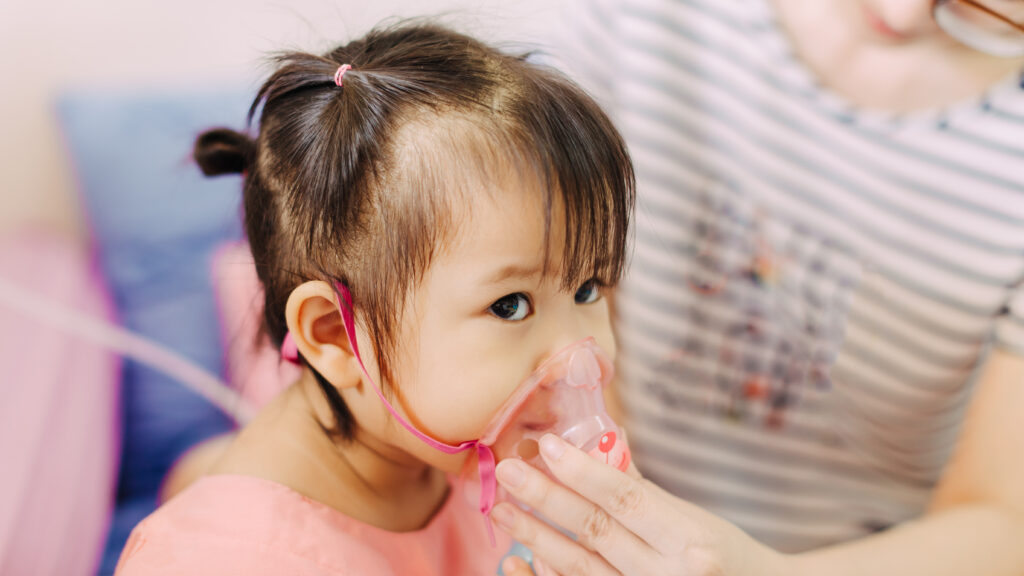
At our allergy clinic a couple of years ago, we saw a 9-month-old Filipino boy whose skin was completely blanketed with eczema. Pus seeped from raw, open sores where he scratched too much. He was already diagnosed with cashew and peanut allergies, and he was seeing us after an emergency room visit for a reaction to hummus. It was difficult to console his parents. Worse still, patients like this infant are becoming increasingly common.
Allergies are becoming more prevalent in the United States and around the world. One in 13 children — 5.6 million — in the U.S. has food allergies, resulting in more than 200,000 emergency room visits each year. Meanwhile, rates of asthma have increased dramatically over the past 40 years. It’s well established that Black children, compared with white children, have higher rates of eczema, food allergies, asthma, and allergic rhinitis (hay fever), and Hispanics have higher rates of food allergies and asthma. But less is known about allergic conditions in Asian Americans.
This became personal when a young family member (Charles’ son) developed a soy allergy. In a Chinese American household, not being able to eat tofu or season stir fry with soy sauce was hard. Eventually, he outgrew it. But then another young family member (Charles’ daughter) developed hay fever. Each year, her congestion and runny nose heralds the beginning of spring. How many other Asian American parents across the country were going through the same pain — or, for all those kids with multiple food allergies, like the ones we see in the clinic, likely much worse?
As allergists practicing in the San Francisco Bay Area, we find that a large portion of our patients consider themselves to be Asian American, the fastest-growing racial group in the United States. The Asian American population — more than 22 million strong — is comprised of more than 20 ethnic subgroups, among them Chinese, Indians, Koreans, Hmong, Bangladeshi, and Mongolian. Yet there’s a gaping lack of allergy data to guide our decision-making.
Determined to remedy this information vacuum, we, along with colleagues at Sutter Health and Stanford, sifted through electronic health records data from Sutter Health, a large, multi-payer health care system in Northern California. With non-Hispanic white children as a reference, we looked at rates of eczema, food allergy, asthma, and allergic rhinitis — four of the most common allergic conditions — in close to 500,000 children, focusing on Asian American children in aggregate, as well as Asian American subgroups.
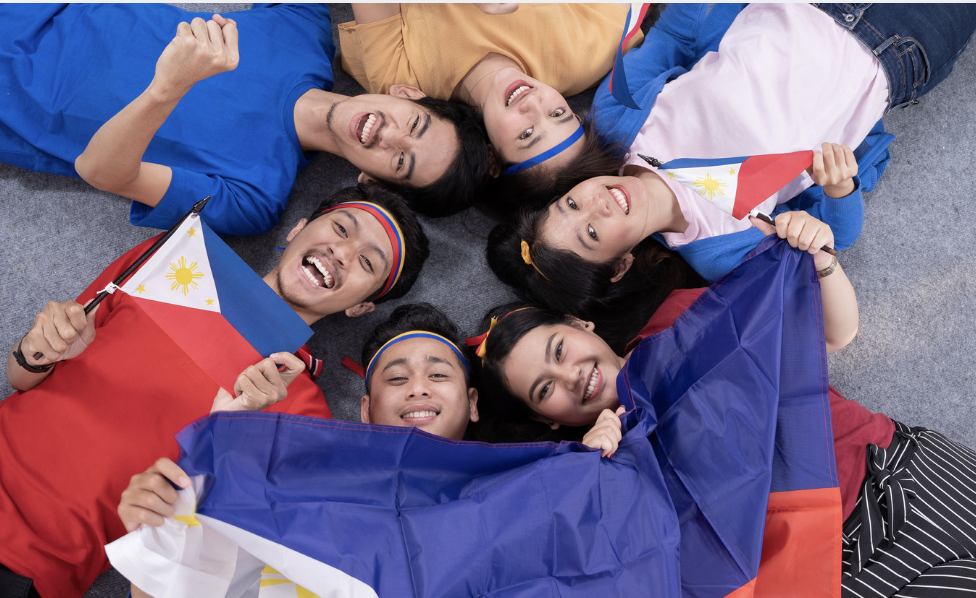
Building on previous research, we found that Vietnamese and Filipino children had substantially increased odds of all four allergic diseases, and also relative to other Asian American subgroups. For instance, Filipinos were almost twice as likely as white children to develop allergic rhinitis and asthma, almost four times as likely to develop eczema, and almost five times as likely to develop food allergies. Of note, multi-ethnic Asians — Asian Americans with one Asian and one non-Asian parent — also had increased odds of developing all four conditions.
What’s more, East Asian children — Korean, Japanese, and Chinese — had an increased risk of eczema and food allergy, but, surprisingly, a lower risk of asthma. The underlying factors contributing to the generally higher prevalence of allergic diseases among Asian American children, particularly among Vietnamese and Filipinos, is unclear, but may be related to social factors such as immigration patterns, diet, and acculturation status. By studying differences among diverse Asian populations, we may learn about new genetic pathways for these diseases, as Asians currently make up only 10% of genetic databases in the world, despite representing 60% of the world’s population.
The bottom line is that Asian American populations, particularly when broken down into ethnic groups, have allergy health outcomes that are distinct from one another and quite different from those of other ethnicities. Each ethnic group has unique cultural and social characteristics. Furthermore, huge income disparities among Asian American ethnic groups likely mask meaningful health differences between these groups. Putting all these groups under the same umbrella, while useful for political purposes, overlooks the diversity within the Asian American population. For Vietnamese, Filipino, and multi-ethnic Asian children in particular, the rates of allergic diseases are unexpectedly high, so much so that for some conditions it exceeds the rates found in Black children. This is particularly useful information for pediatricians, emergency room doctors, and family practice doctors, who are often the first point-of-contact for evaluating children with allergic conditions.
In a larger context, the unfolding story of allergy disparities within Asian American subgroups is being played out in other areas of medicine. When these Asian American groups are disaggregated, Korean adults are more likely to have gastrointestinal cancers; Asian Indian adults are more likely to die from cardiovascular disease and stroke; and Japanese women are more likely to pass away from pancreatic cancer. With the Asian American population projected to be more than 46 million by 2060, accounting for greater than 10% of the projected U.S. population, more research is needed. However, between 1992 and 2018, just 0.17% of the National Institute of Health budget was devoted to studying Asian American health. Obviously much more funding is needed to study allergies and other diseases affecting this population.
Over the course of a few months, we treated the Filipino boy’s eczema with topical steroids, aggressive moisturization, and wet wraps, which completely cleared his skin. Once he turned 2, he underwent oral immunotherapy, and we were able to desensitize him to the foods he was allergic to, bringing more peace of mind to his parents. We still don’t know exactly why he’s more likely to have allergies compared with other Asian American children, but we hope to tease out the reasons in the coming years. With our research results, we’re highlighting not only an issue of medical interest, but also one of health equity affecting hundreds of thousands of Asian American children.
Charles Feng, M.D., is an allergist/immunologist in the San Francisco Bay Area. Latha Palaniappan, M.D., is professor of medicine at Stanford University School of Medicine. Anna Chen Arroyo, M.D., M.P.H., is clinical associate professor of medicine at Stanford University School of Medicine.
[ad_2]
Source link
Trending Topics
Features
- Drive Toolkit
Download and distribute powerful vaccination QI resources for your community.
- Health Champions
Sign up now to support health equity and sustainable health outcomes in your community.
- Cancer Early Detection
MCED tests use a simple blood draw to screen for many kinds of cancer at once.
- PR
FYHN is a bridge connecting health information providers to BIPOC communities in a trusted environment.
- Medicare
Discover an honest look at our Medicare system.
- Alliance for Representative Clinical Trials
ARC was launched to create a network of community clinicians to diversify and bring clinical trials to communities of color and other communities that have been underrepresented.
- Reducing Patient Risk
The single most important purpose of our healthcare system is to reduce patient risk for an acute event.
- Jessica Wilson